
Research
New stories will appear at the top of this page.
Contributions to this page from Group members will be very warmly received. Any subject on a military theme.
Have you been doing some research into an aspect of military interest? Does it cover a number of pages which makes it too large to be submitted for inclusion in the Newsletter? This page is where group members can publish their articles.
You might have carried out some detective work on an item you have acquired, or followed up an interest in a subject and would like to publish your findings. Group members can submit their work (text and images) as a file and make it available to others via a link on this page. Authors will have their work credited and it will remain their own, but otherwise you will be submitting it solely for the benefit of others to read and perhaps learn something.
Email your document via THIS LINK, in PDF format please, to me, Ted Gray, (if you can't save it as a PDF then send it as a Word document, I will do the rest). I will upload it and readers will then be able to download your story from a short description on the page.

New Story

New Story
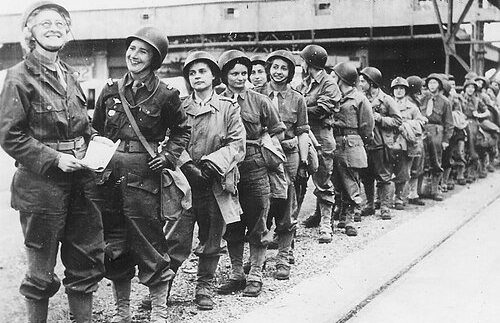
The Corps of Free French Women
By David Gray: The Corps of Free French Women (primarily the Corps des Volontaires Françaises or CVF) were the first female units of France, established in London on 7th November, 1940, to serve alongside General de Gaulle’s Free French Forces. Document
The Bribing of Spain in WWII
By David Gray: Britain used official financial agreements to support Spain’s devastated post-Civil War economy, aiming to reduce its dependence on Nazi Germany. In March 1940, Britain and Spain signed a Trade and Payments Agreement. Document
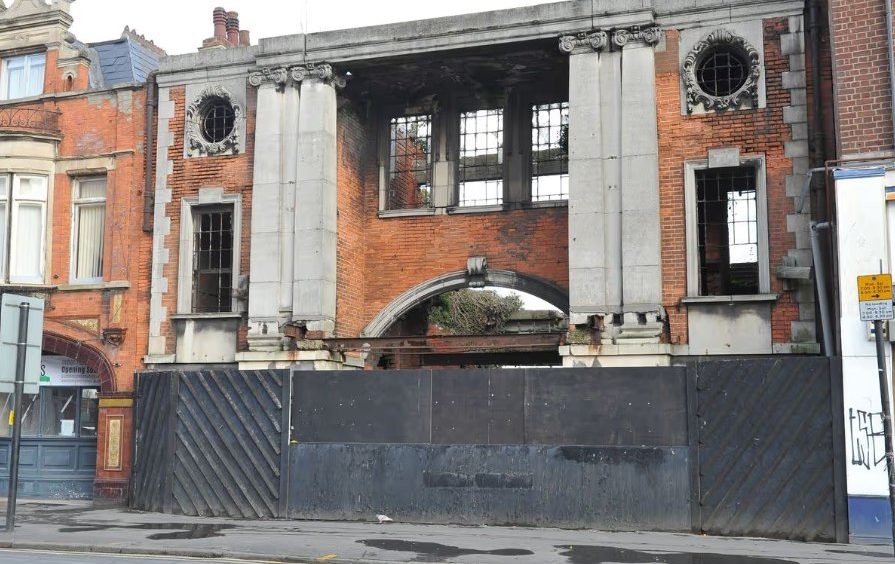
The National Picture Theatre, Hull
By David Gray: The remains of The National Picture Theatre in Hull, widely recognized as the UK's "last surviving civilian, bomb-damaged building" from World War II, recently reopened on 16 September 2026, as a memorial garden and history centre. Document
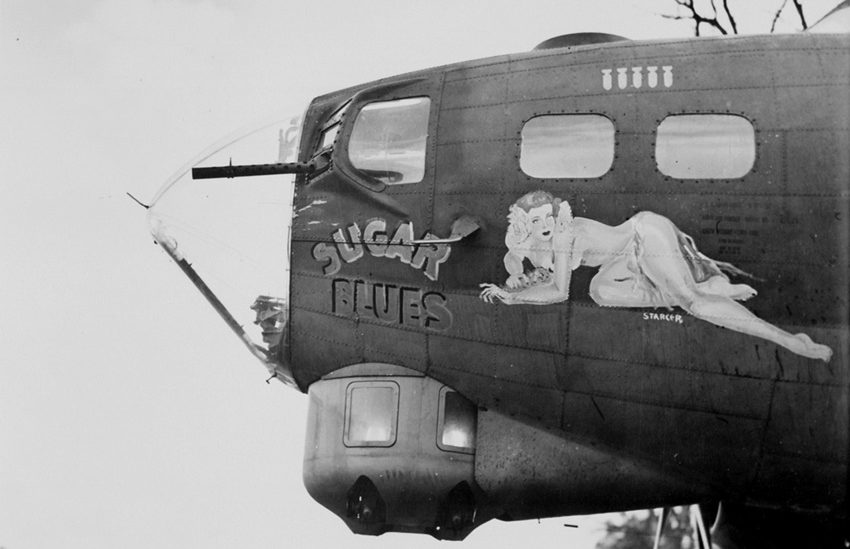
One Man, Two Rescues
By Simon Wilson: 'Flight Lieutenant O'Gorman joined No. 279 Squadron on 10 December 1942, since when he has proved himself an excellent Navigator. Together with his captain, Flight Lieutenant Clarke, he has taken part in numerous rescues…’ Document
Empire Defence Payments in WWII
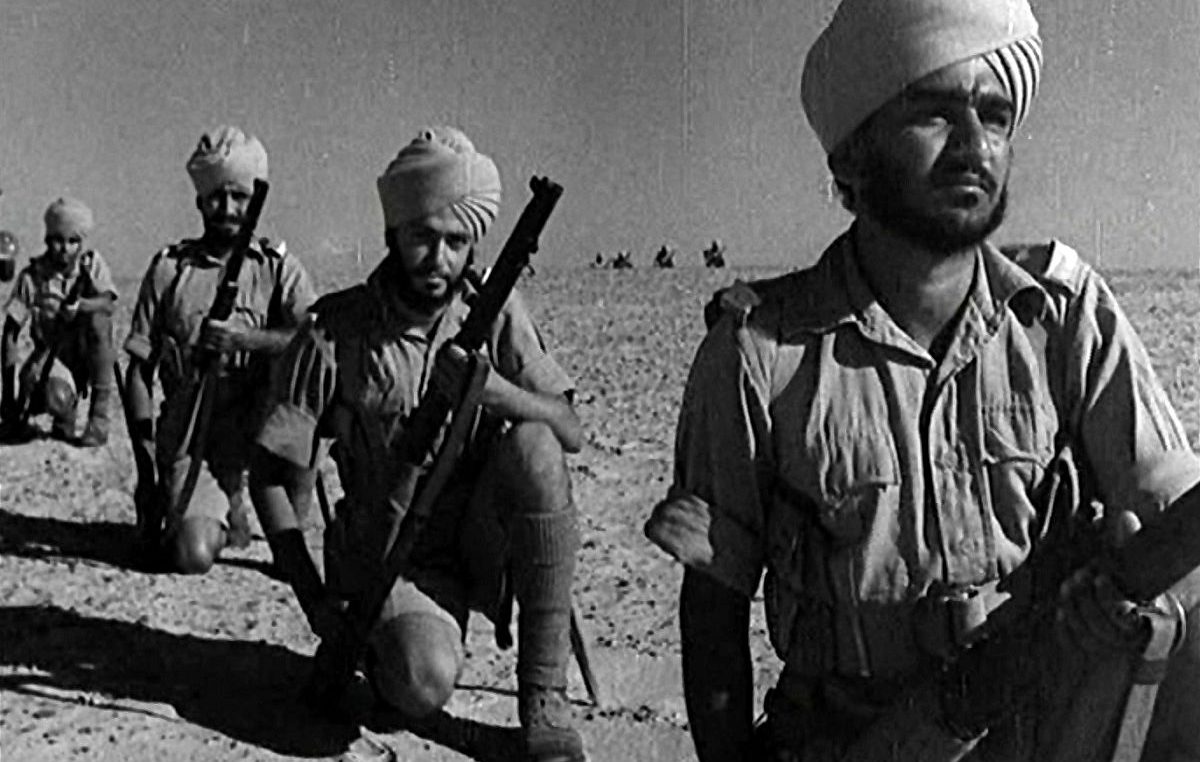
By David Gray: Many parts of the British Empire and Commonwealth contributed to Britain’s defence costs during World War II, though the structure of these payments was complex, often taking the form of loans, "gifts," and deferred debts. Document
101 Airmen Saved from the Sea
By David Gray: It was described by the Air Ministry as “The greatest air-sea rescue operation of the war”, 101 British and American airmen were rescued from the North Sea within 50 hours and landed at different points in England. Document
WWI: A Lee Enfield I.D. Disc is Discovered
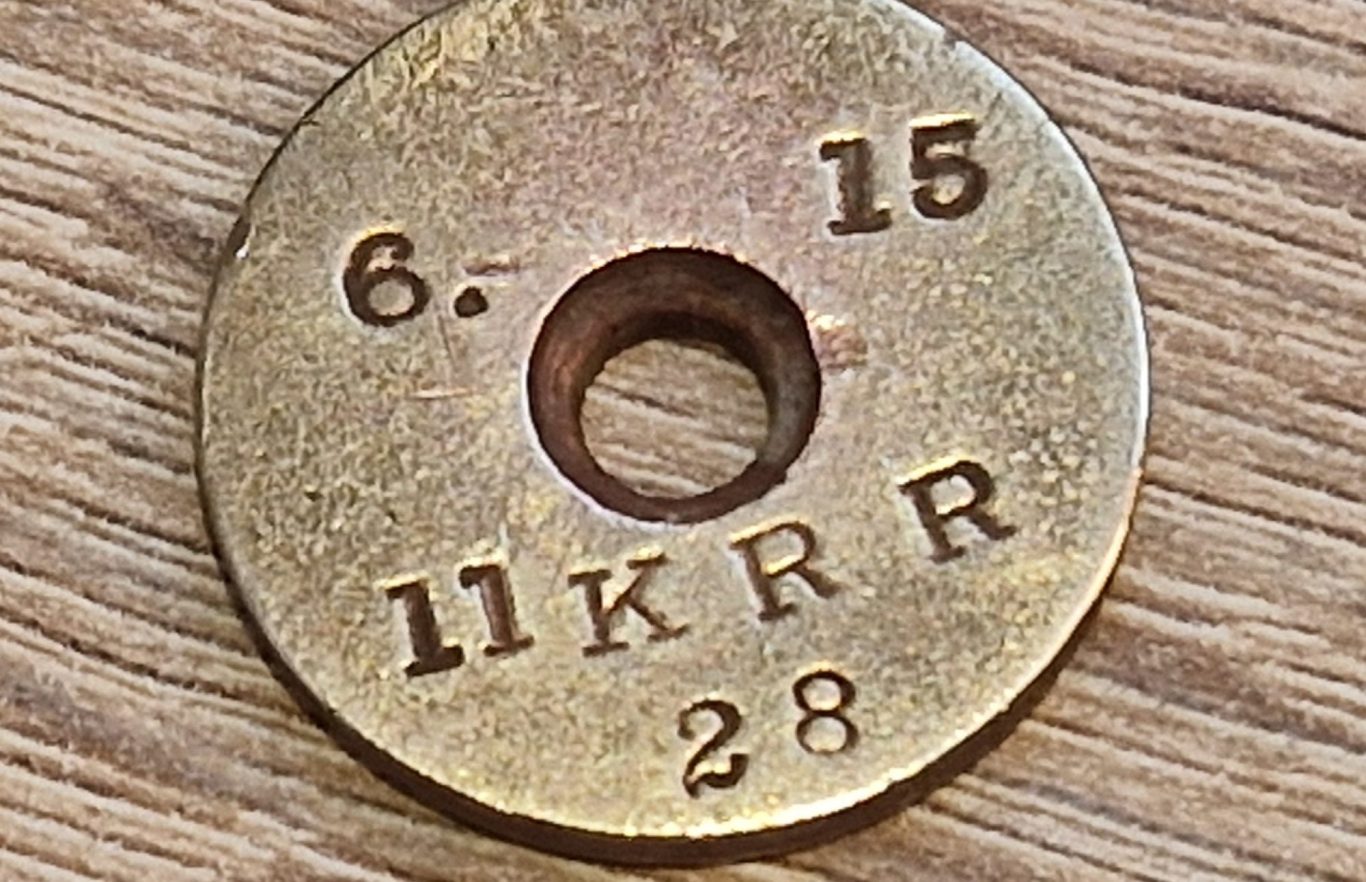
By David Gray: I noticed an item that fascinated me. It was a brass disc, only about an inch in diameter, it had a hole drilled through the middle. It had some figures stamped on it. I knew immediately what it was and went straight away to see if I could find it again. Document
WWII: Britain's Fight
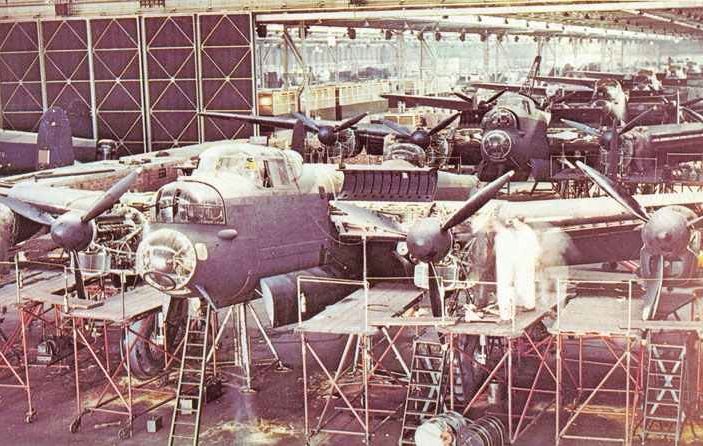
By David Gray: A look at Britain’s contribution to WWII from the British side at the time, and an appraisal of the ‘British Tommy’ from the American viewpoint. This article comprises a number of stories published in 1944 and 1945. Document
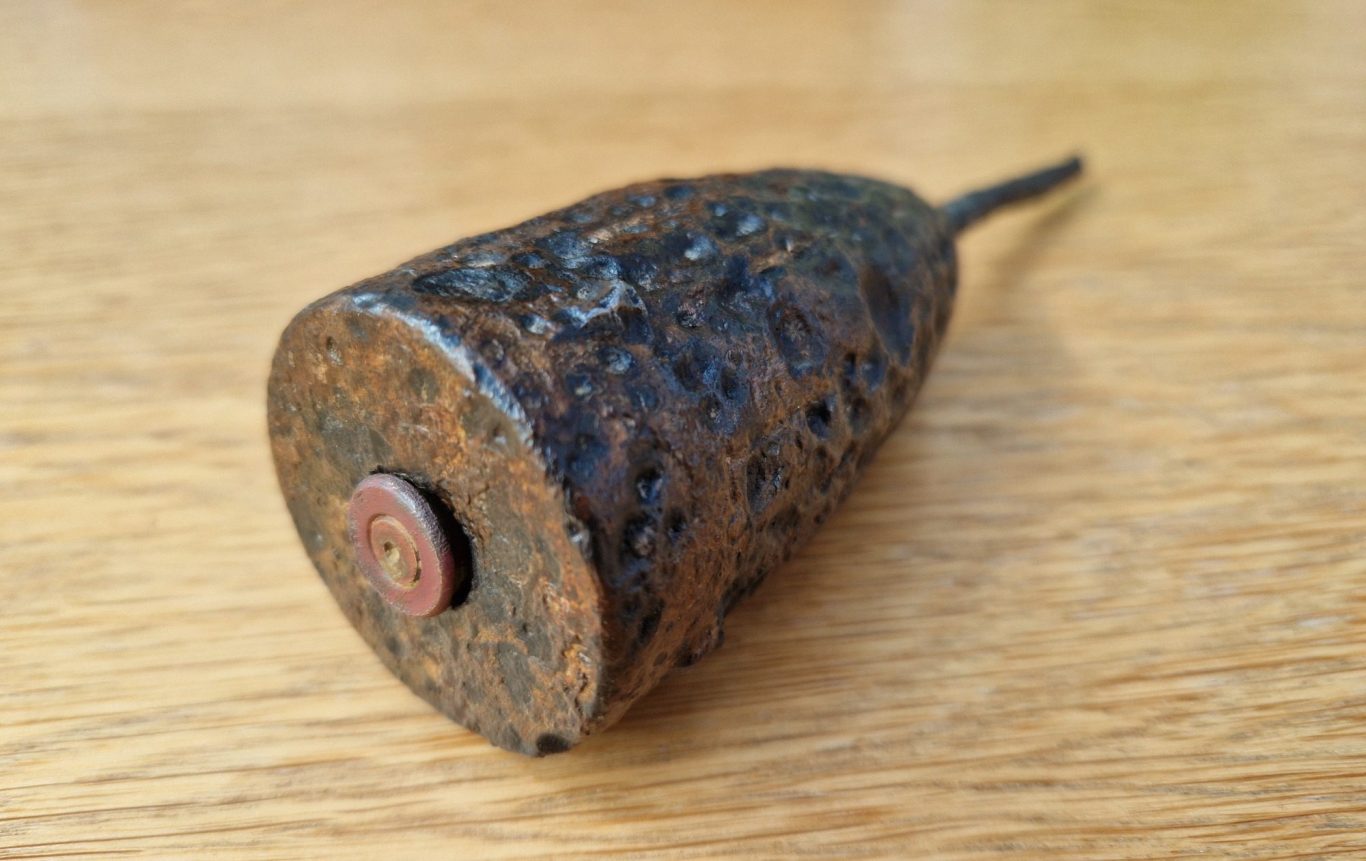
The Pippin Rifle Grenade WWI
By David Gray: Early experimental premature detonations tarnished the grenade’s reputation, but once in service it would prove a success, with a superior range to other British rod grenades and, most importantly, it was cheap to manufacture. Document
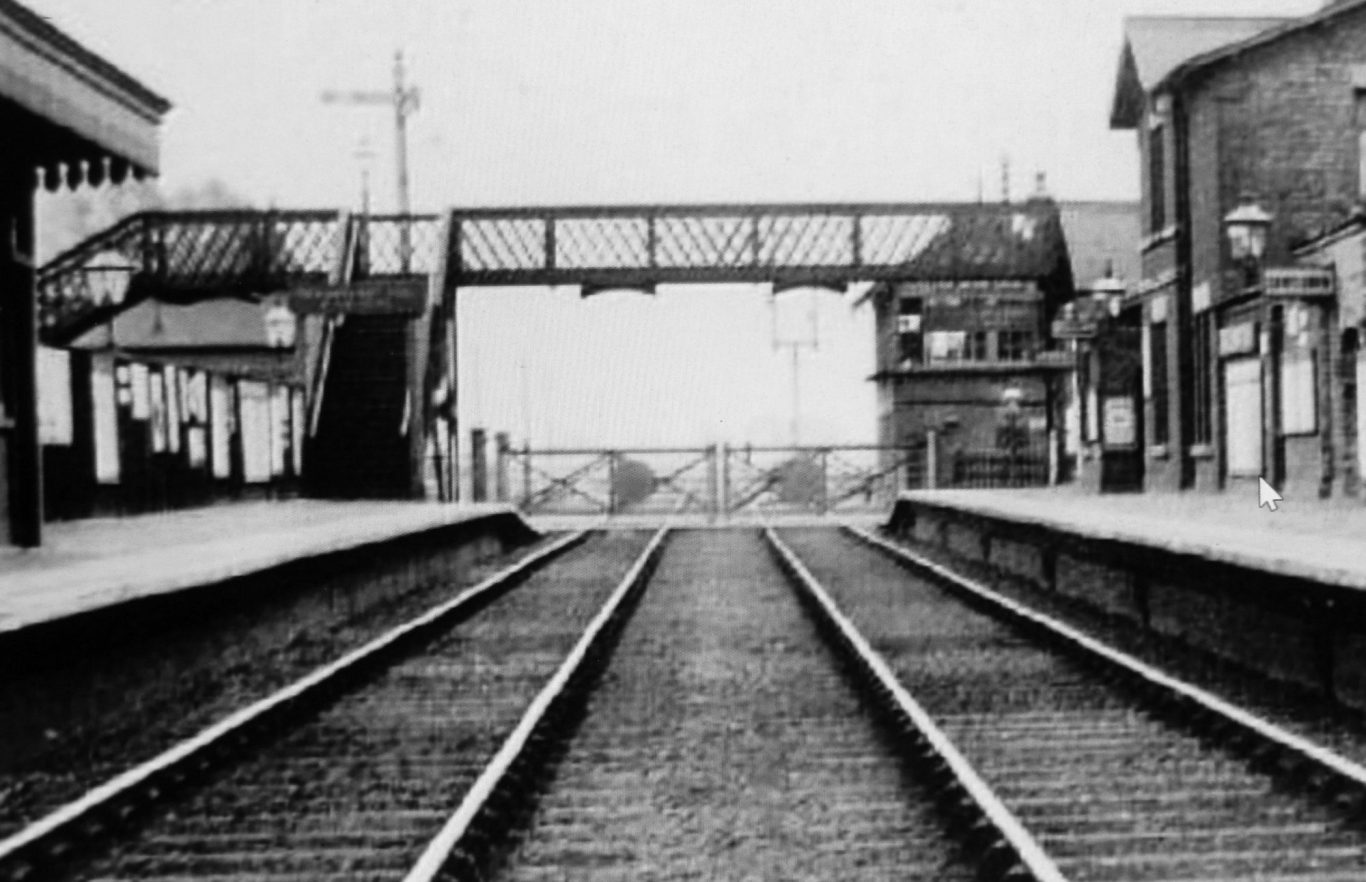
The 10.45 from Kings Cross - Death of a Sailor
By Simon Wilson: It is 25th April 1930, just after midnight, the fog is thick and, in a scene worthy of a Poirot episode, William Tilley, a sub-ganger of the LNER at Tallington, is gazing at two dead bodies - a sailor and his parrot. Document
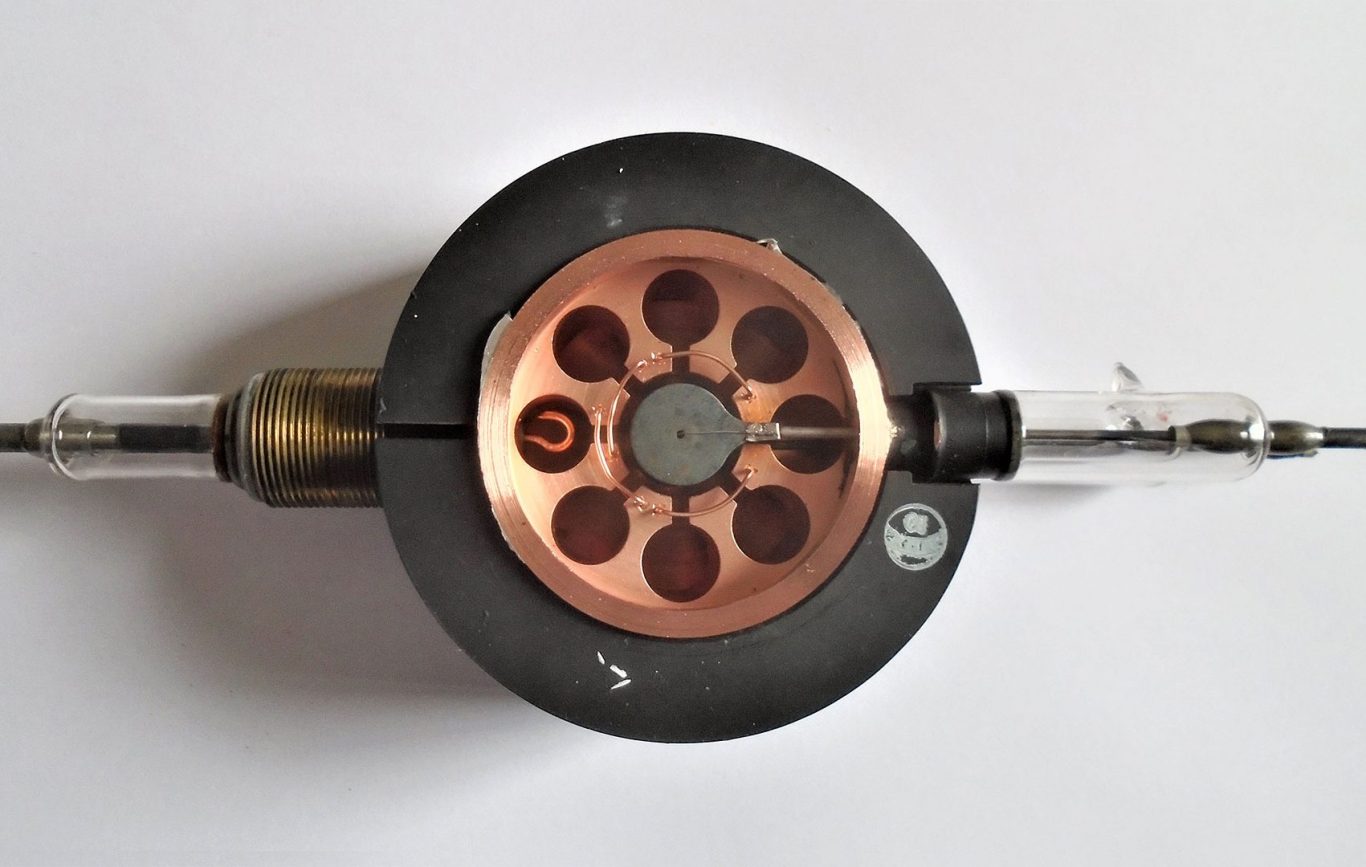
(1) The Tizard Mission
By David Gray: The Tizard Mission, officially known as the British Technical and Scientific Mission, was a secret British delegation sent to the United States and Canada in September 1940, when the U.S. was not a participant in the war. Document
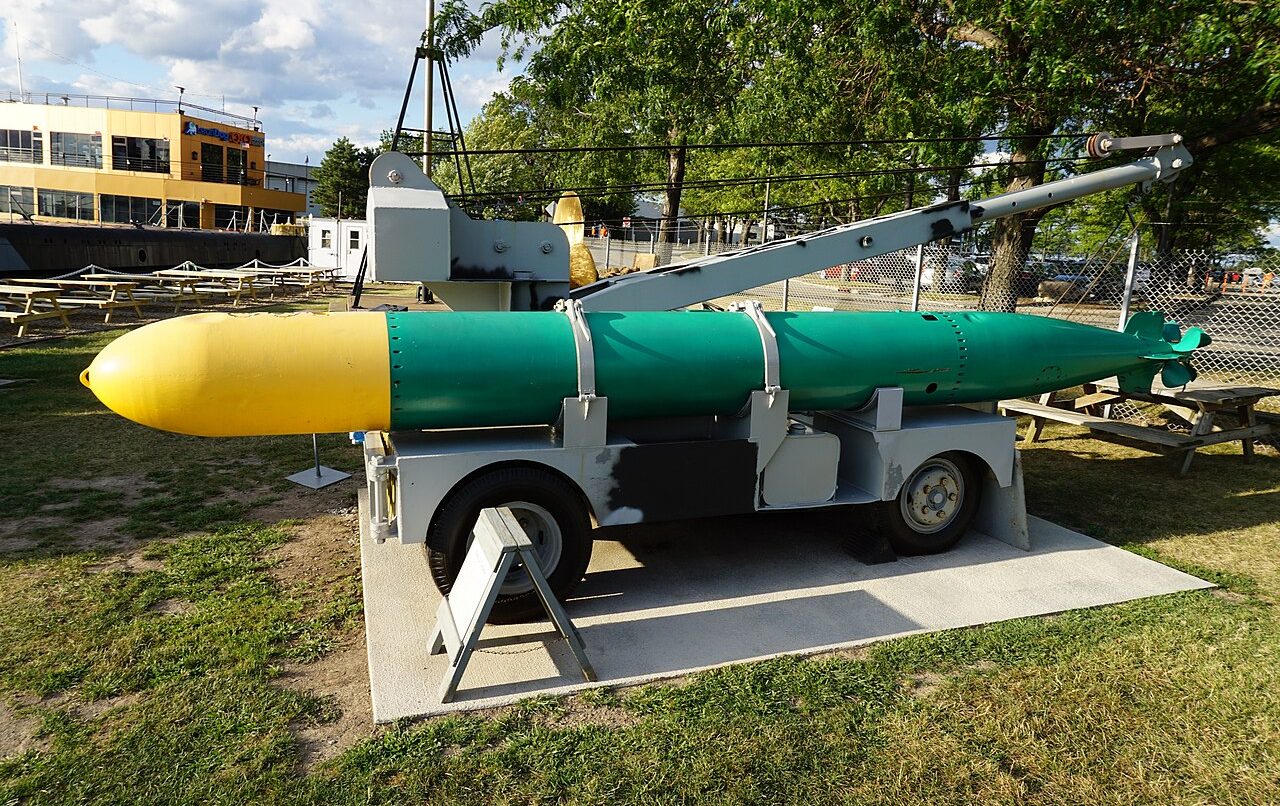
(2) The U.S. Navy Grows Up
By David Gray: Before WWII, the U.S. Navy was an obsolescent, WWI-era force heavily reliant on a traditional battleship-centric doctrine, leaving it ill-prepared for fast-paced carrier warfare against Japan. Then it grew up. Document
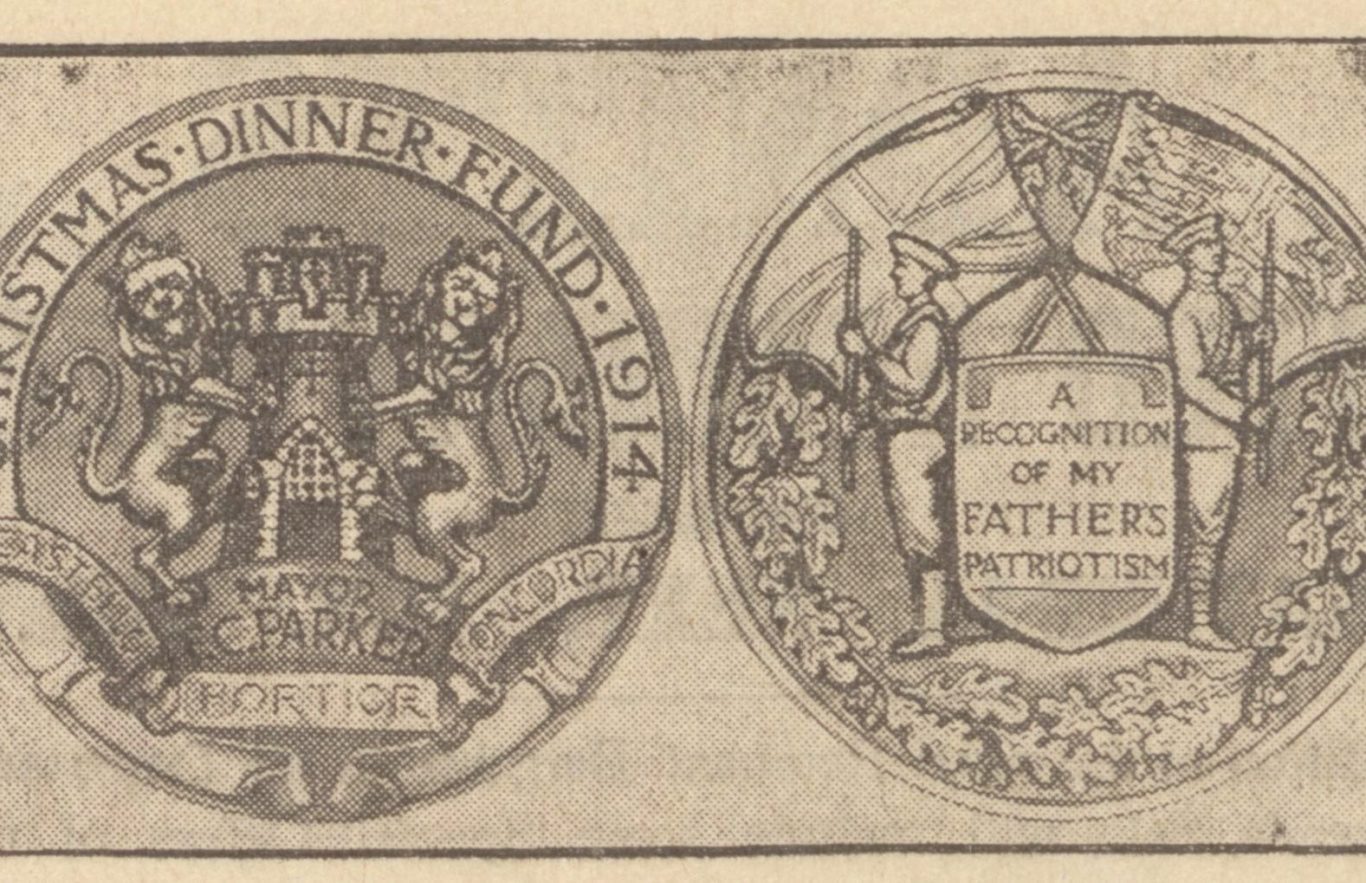
Northampton Christmas Dinner Fund 1914
By Simon Wilson: Apart from the normal volunteers who supervised the parcels, Boy Scouts were used to help with the American gifts and the Santa Claus Fund and the Soldiers' and Sailors' Families Association compiled the necessary list of children with serving parents. Document
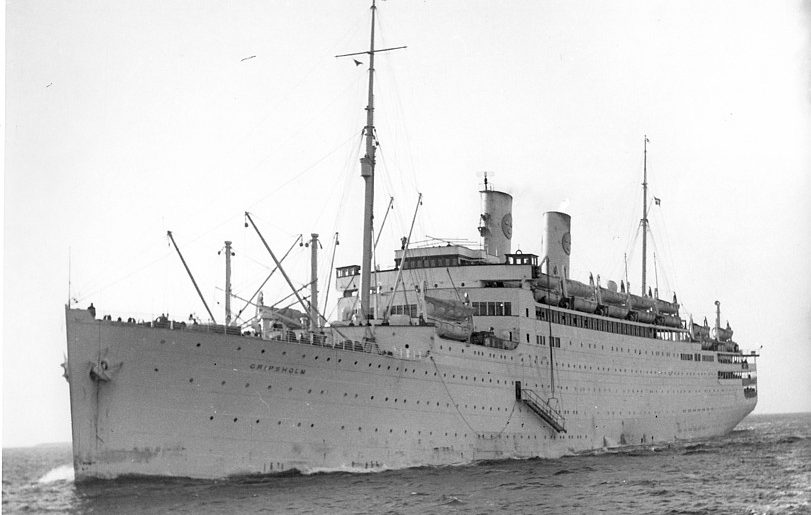
The Red Cross Parcels Crisis WWII
By David Gray: The rapid defeat of France resulted in an unexpectedly high number of British prisoners, rising from a few hundred to over 40,000 by late 1940, overwhelming the German army's planning and that of the British Red Cross. Document
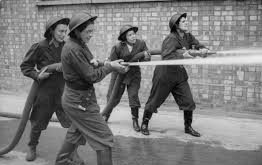
Britain's Firewomen in WWII
By David Gray: During WWII, thousands of British women volunteered for the Auxiliary Fire Service (AFS) and later the National Fire Service (NFS), filling roles critical to the home front. At their peak, roughly 90,000 women were involved. Document
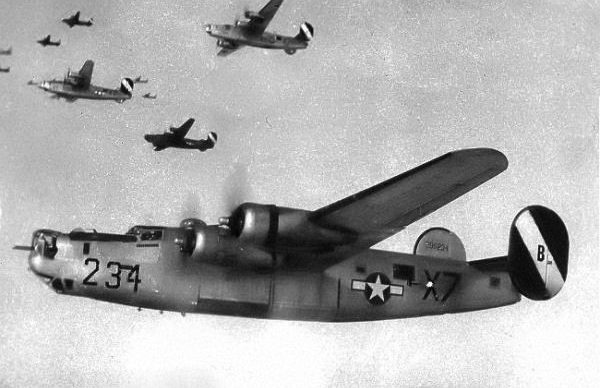
Airfields in WWII
By David Gray: Although Britain escaped the ravages of a ground war, the countryside still bears witness to its massive contribution to the air war. To this day, the sites of approximately 1,250 airfields still litter the landscape. Document
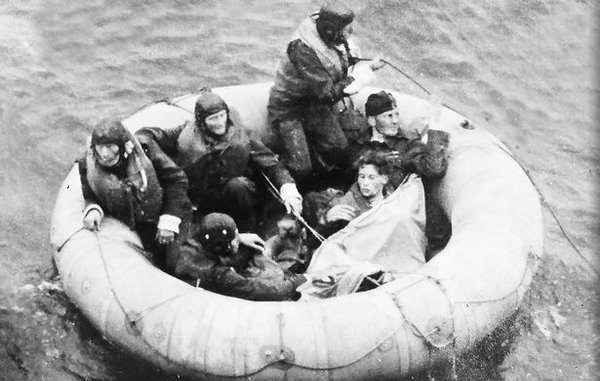
Lifeboat - Saving Lives at Sea
By David Gray: There were countless desperate stories of survival and death that took place in lifeboats at sea during the Second World War. I have gathered together here just a few news stories that I have come across. Document

Flame Across Britain - Part 4
By Simon Wilson. The village of Eakring can be found in North Nottinghamshire. its name is thought to come from the Old Norse eik-hringr, meaning "the circle of oak trees”. Nothing about it says that it was once a small but important part of the war effort. Document
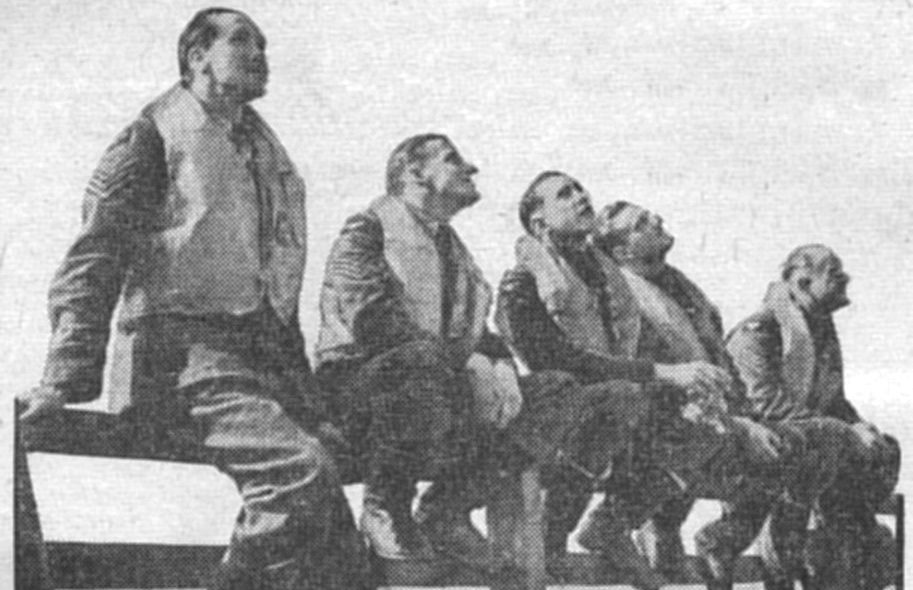
It's Planes They're Waiting For!
By David Gray: “We have got the men; it’s planes they’re waiting for” read the headline. The newspaper article was written in 1942 as ‘The Case against M.A.P.’ by Colin Bednall. M.A.P. being the Ministry of Aircraft Production. Document
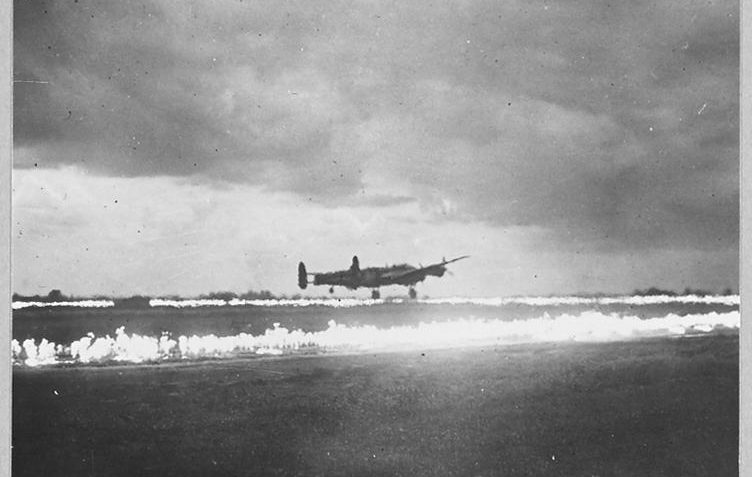
Flame Across Britain - Part 3
By Simon Wilson: Different in tone from the previous two parts, this one sees the Petroleum Warfare Department engaged in saving lives instead of plotting to incinerate the enemy. They then become involved in a project in which no petrol is ignited! Document
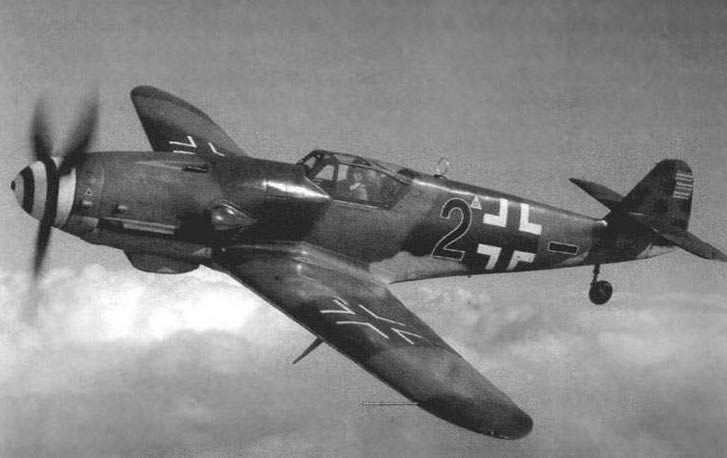
Operation Bodenplatte
By David Gray: Operation Bodenplatte was a massive, surprise New Year's Day 1945 Luftwaffe attack on 17 Allied airfields in Belgium, the Netherlands, and France. Aimed at regaining air superiority during the Battle of the Bulge. Document
Flame Across Britain - Part 2
By Simon Wilson: On land, progress was better, and the first weapon the PWD developed was the Static Flame Trap. Perforated steel pipes (easily available from the gas and water industries) were laid along a stretch of road up to 50 yards in length. Document
Flame Across Britain - Part 1
By Simon Wilson: 'Lloyd had been working on the control of oil supplies to deny them to the enemy and had been looking at ways of destroying our oil reserves in the case of invasion. It took little effort to persuade him that oil could also be a useful defensive weapon.' Document
Factory Shipped to the U.S.
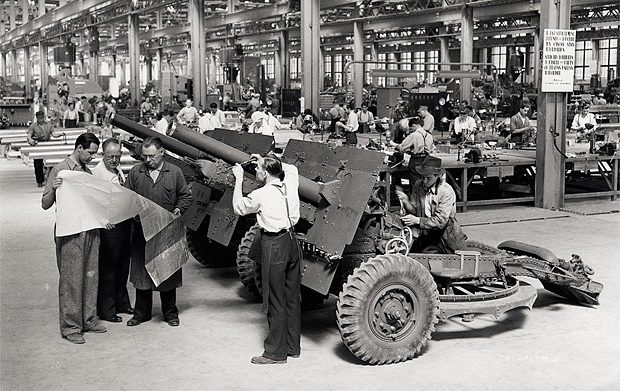
By David Gray: This is the amazing story of how a British arms factory was transported lock, stock and barrel to the United States, described by the U.S. Lend-Lease Administrator, Mr. Edward Stetinius in an article published in 1942. Document
Loading Cargo Ships in WWII
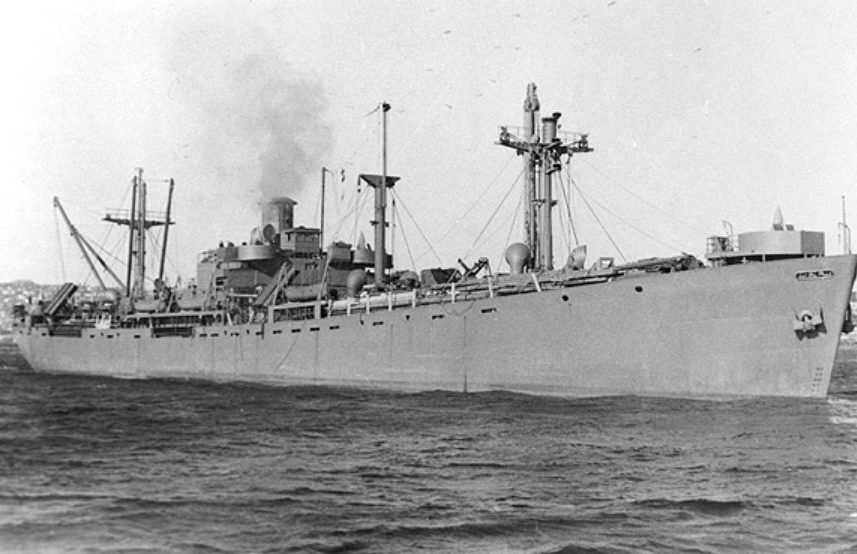
By David Gray: During World War II, cargo ships were loaded using a manual process known as break-bulk shipping, as containers had not yet been invented. Ships were in port for two weeks to a month for a single loading and unloading cycle. Document
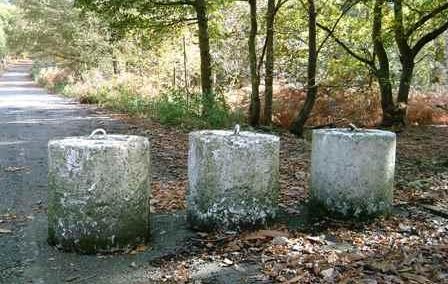
British Anti-Tank Obstacles of WWII
By David Gray: A series of roadblocks, on all probable enemy lines of movement through the depth of a defended zone, will not only cause delay, but will weaken the enemy by inflicting casualties on his AFVs and infantry. Document
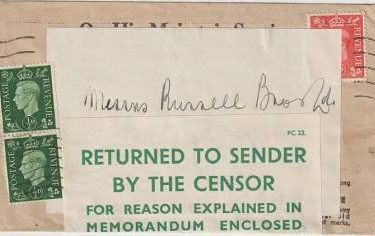
Censoring International Mail in WWII
By David Gray: Britain systematically censored international mail, including mail to and from the United States, throughout World War II. This effort was part of a broader operation designed to prevent intelligence from reaching the enemy. Document
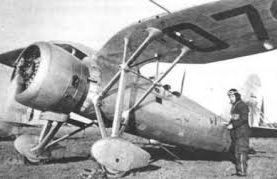
The French Air Force in 1939
By David Gray: Prompted by a 1939 magazine article, we look at each French aircraft type and assess how great a contribution they made when consolidated into an air force with Britain in the fight against German invasion forces. Document
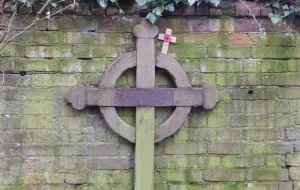
Two Families, Two World Wars
By Simon Wilson: ‘In memory of Major J P Becher DSO (1/8th Sherwood Foresters) who died on 1.1.16 from wounds received in the attack on the Hohenzollern redoubt 16.10.15. Sans Peur. Sans Reproche.’ Document
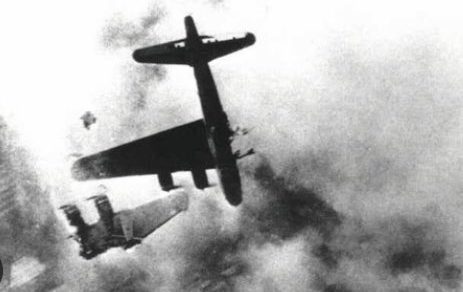
The Reckoning
By David Gray: This story is comprised of cuttings pasted in a scrapbook near the end of WWII by someone who decided to collect any article which recorded to cost of the war in human life. These figures cover all the services. Document
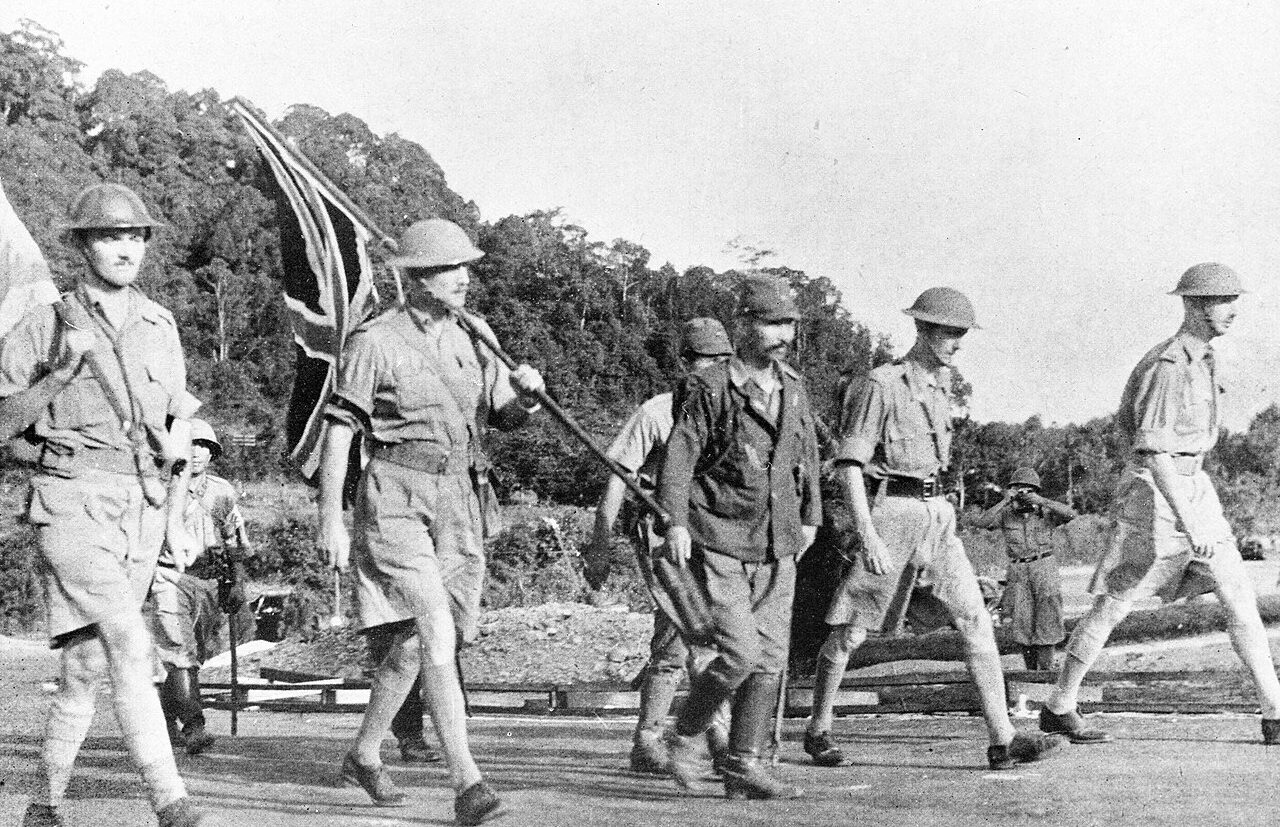
Mangrove Swamp to Naval Base
By David Gray: By 1938 the naval base at Singapore, together with its defences and its aerodromes, had cost the Empire close upon £20,000,000. That is a measure of the work which had been involved. Singapore fell in only 70 days. Document
Sea Mines
By David Gray: The red “sea mines” you see in harbours and seaside towns are bits of maritime charity history. They belong to the Shipwrecked Mariners' Society, a charity founded in 1839 to support seafarers and their families in hardship. Document
German Ruses - Memorandum N0. 46
By David Gray: During World War II, the British Army issued a series of Army Training Memorandums, along with complementary Military Training Pamphlets and Army Training Instructions, to disseminate rapidly evolving combat lessons. Document.
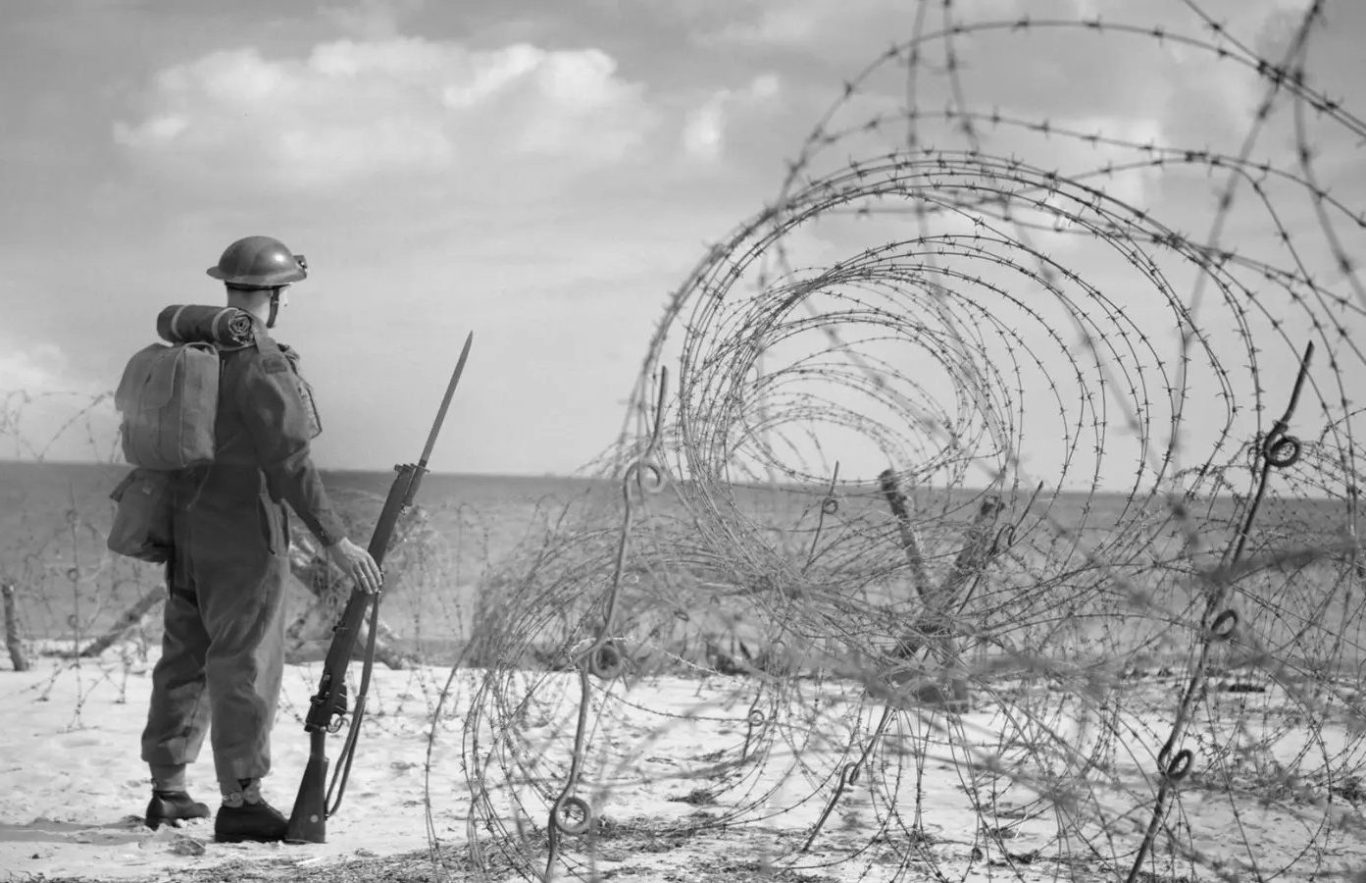
Dannert Concertina Wire Obstacles
By David Gray: Oil-tempered barbed wire was developed during World War I; it was much harder to cut than ordinary barbed wire. During the 1930s, German Horst Dannert developed concertina wire of this high-grade steel wire. Document
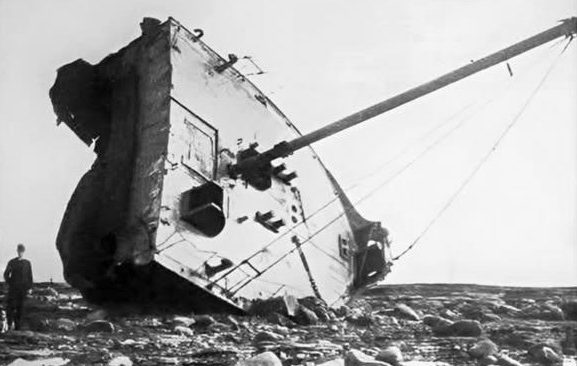
Salvage at Alnmouth in WWII
By David Gray: For weeks they looked towards the sea, casting covetous eyes towards the ‘Monaleen’. They approached the parish council who welcomed their “interference.” “Remove it by all means, you will be benefactors,” they were told. Document.
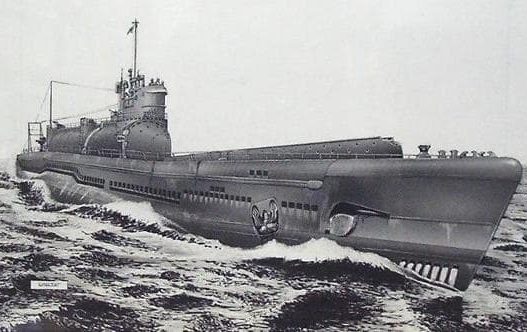
The Anglo-Japanese Alliance
By David Gray: For Britain, the alliance ended its long-standing policy of "splendid isolation," allowing it to reduce its naval presence in the Far East and focus on the threat of Germany in Europe. For Japan it was vital for its military expansion. Document.
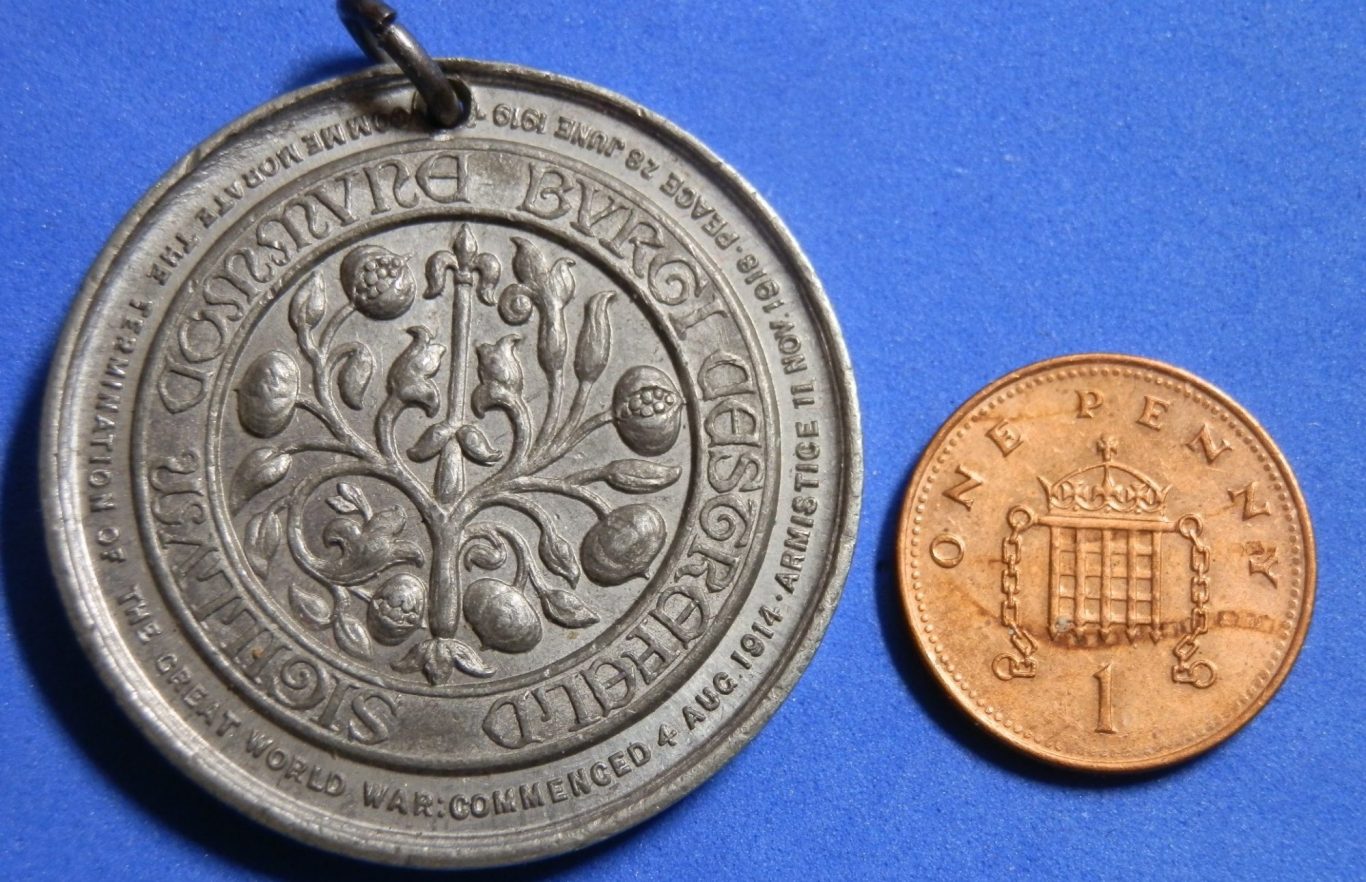
Chesterfield Peace Medal - WWI
By Simon Wilson: Many towns produced Peace medallions to give to school children as a memento of WWI, and a celebration of the return of Peace. More bought medallions which, unfortunately, have no mention of which town presented them. Document
Hurricanes in Russia in WWII
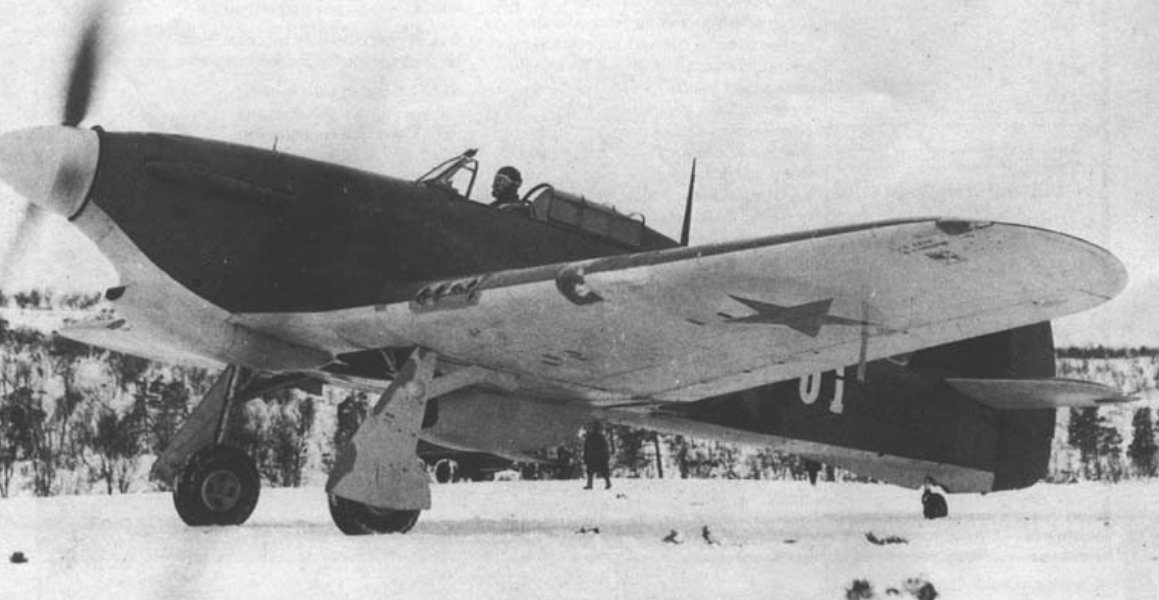
By David Gray: The Hawker Hurricane played a real, if overlooked role in the fighting in Russia during World War II, mainly in the early years of the German invasion. Although not the best, it was essential to Russian victory. Document
The Controller of Matches in WWII
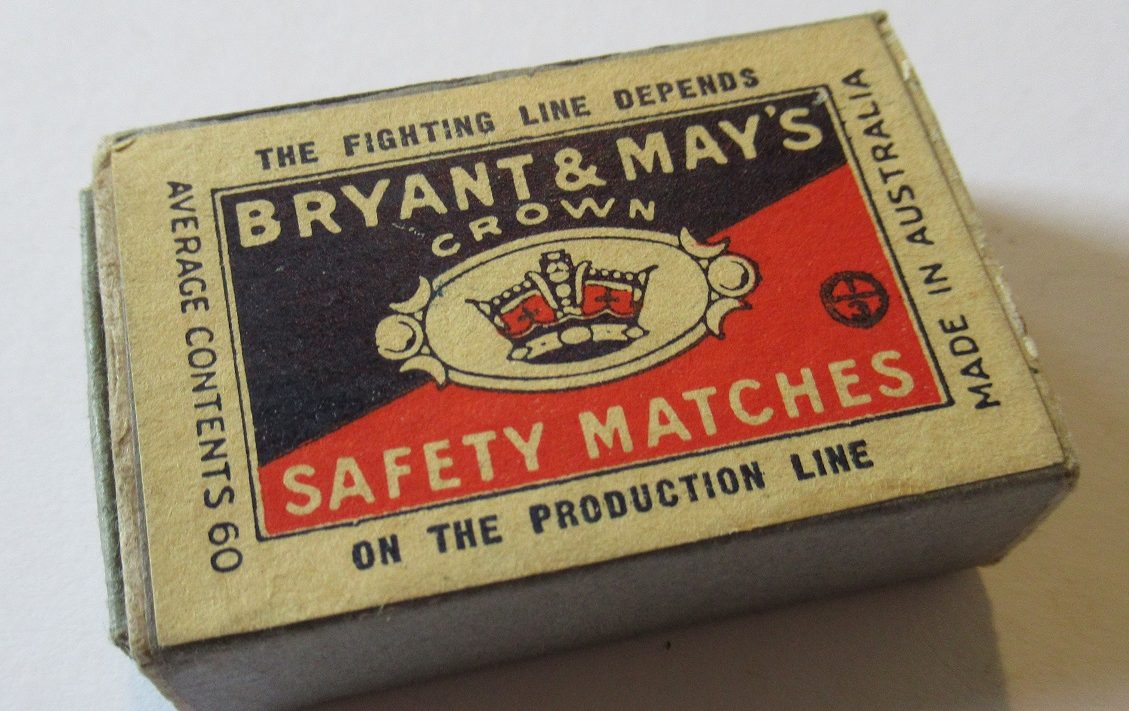
By David Gray: The Controller of Matches was a government official responsible for the strict regulation of the match industry under the Matches (Control of Prices) Orders, managing the severe shortage of matches during WWII. There were many other Controllers of essential items. Document
When Germany Sold Britain its Secrets
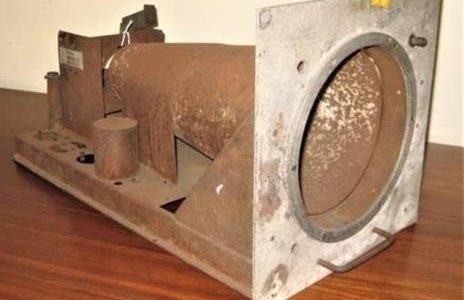
By David Gray: It has aways been believed that the British were years ahead of the Germans in the development of radar. However, the Germans had radar in 1937, the British knew it because Luftwaffe General, Erhard Milch told them so. But where does the Graf Spee come into it? Document
2 Nightime v Daylight Bombing
By David Gray: While the United States Army Air Force (USAAF) is primarily known for daylight precision bombing, it conducted numerous night bombing operations during World War II, most notably in the Pacific theatre. Document
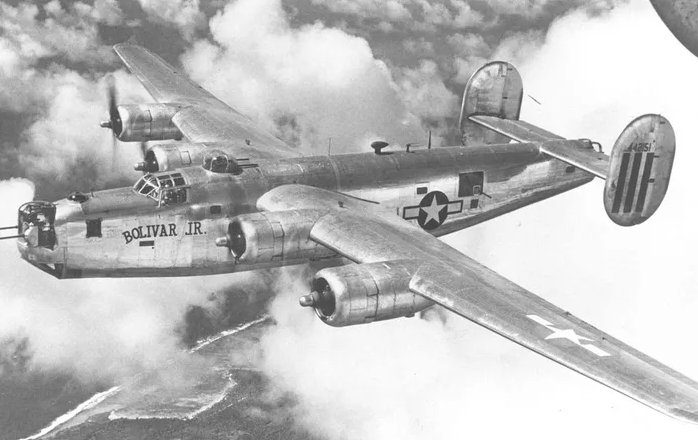
1 U.S. Planes 'Inferior'
By David Gray: A number of stories appeared in the British press in February 1943 regarding the qualities of the aircraft in the United States Air Force. These arguments went on right through the war and remain a point of contention even today. Document
British Television and WWII
By David Gray: Prior to WWII, British television was a pioneering, yet highly limited and exclusive, public service launched in the 1930s. It was the world’s first regular television service, yet it was abruptly shut down in September 1939. Secret wartime work was carried out using the BBC transmitter at Alexandra Palace. Document
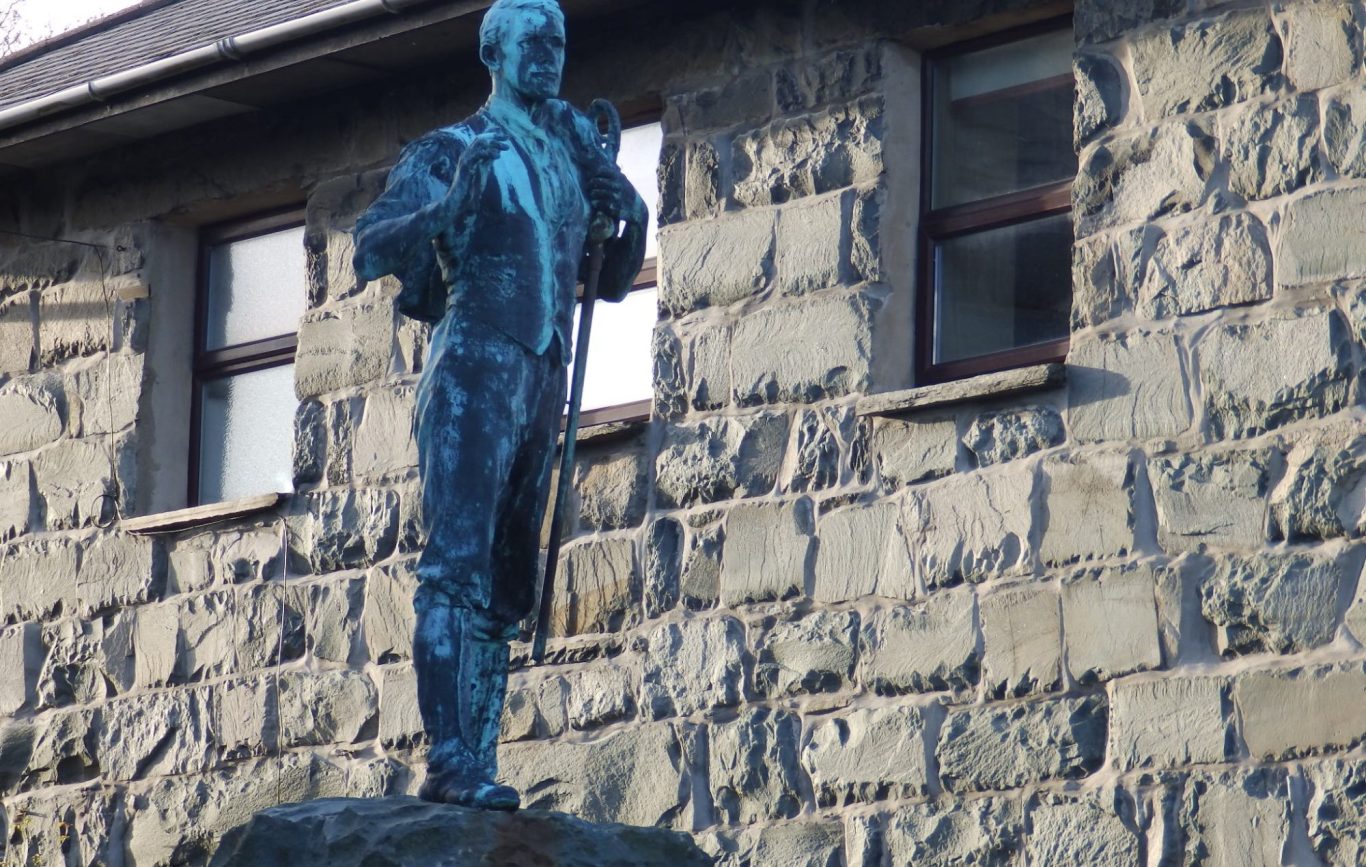
Ellis Humphrey Evans - WWI Poet
By Simon Wilson: He was a pacifist, as were many chapel-goers, and did not enlist until 1917 when his family was told one of their sons must enlist. By March 1917 he was back on the farm; one of many workers sent back to help on the land. Document
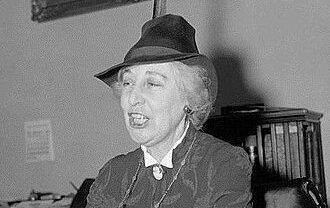
Congresswoman Rankin Votes "NO!"
By David Gray: “President Roosevelt in ringing tones, today demanded an immediate declaration of war against Japan in a speech to the Senators and Representatives gathered in the Hall of the House of Representatives.” Document
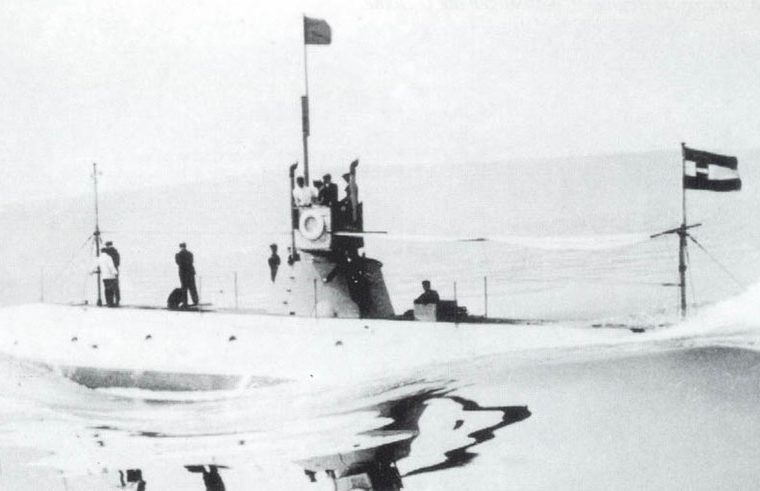
The Dread of the Adriatic
By Simon Wilson: The modern Austro-Hungarian Navy was founded at the end of the 18th Century and saw action a number of times, principally against the Italians, the Ottoman Empire and a variety of Mediterranean pirates. Document
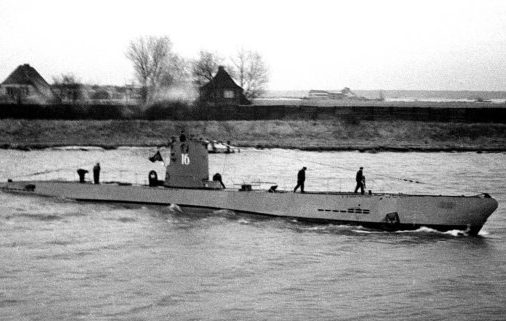
The Strange Tale of U-16
By David Gray: In wartime there are some vessels whose fate seems to involve one thing after another, exacerbated by the ‘fog of war’ in which events are not wholly clear even to those who have taken part in them, U-16 is a case in point. Document
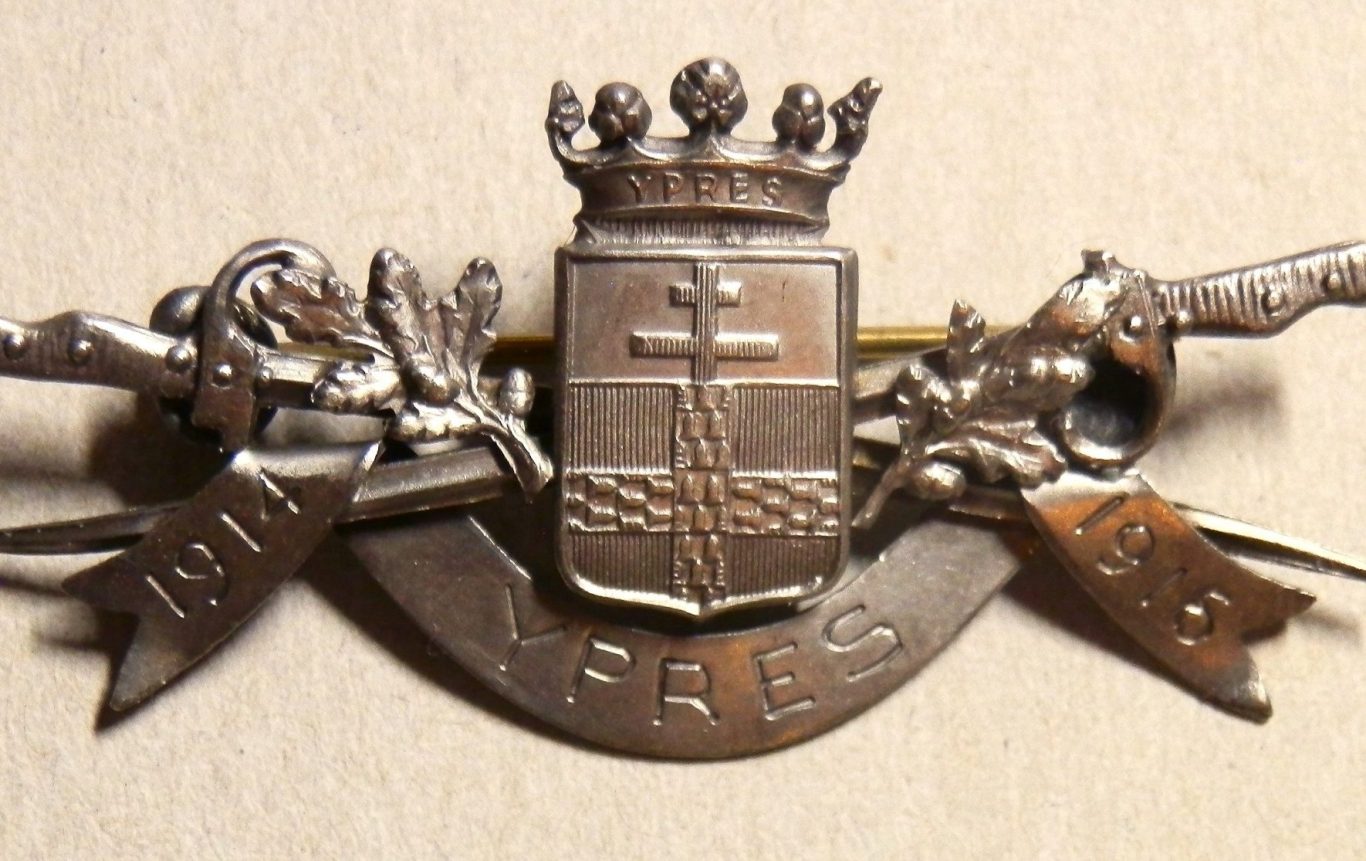
French Souvenir Brooches of WWI
By Simon Wilson: …and that shows the problem with discussing these brooches. They are often seen, or collected, in association with sweetheart brooches. However, they may have been bought on pre-war tours of France. Document
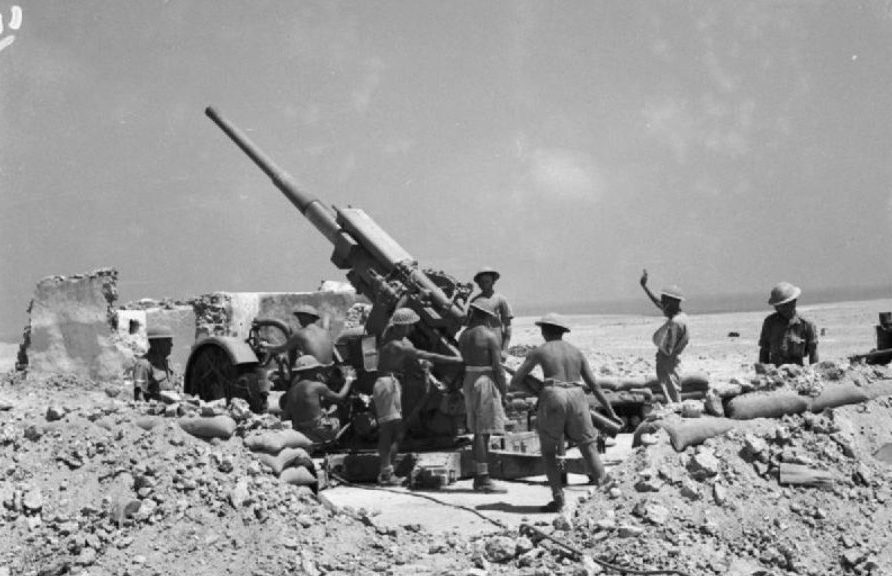
The 3.7" AA Gun in Ground Defence
By David Gray: Why didn’t Britain use its anti-aircraft gun against enemy tanks and other ground targets when the Germans were using their 88mm anti-aircraft gun extremely successfully against allied tanks? Well, they did! Document
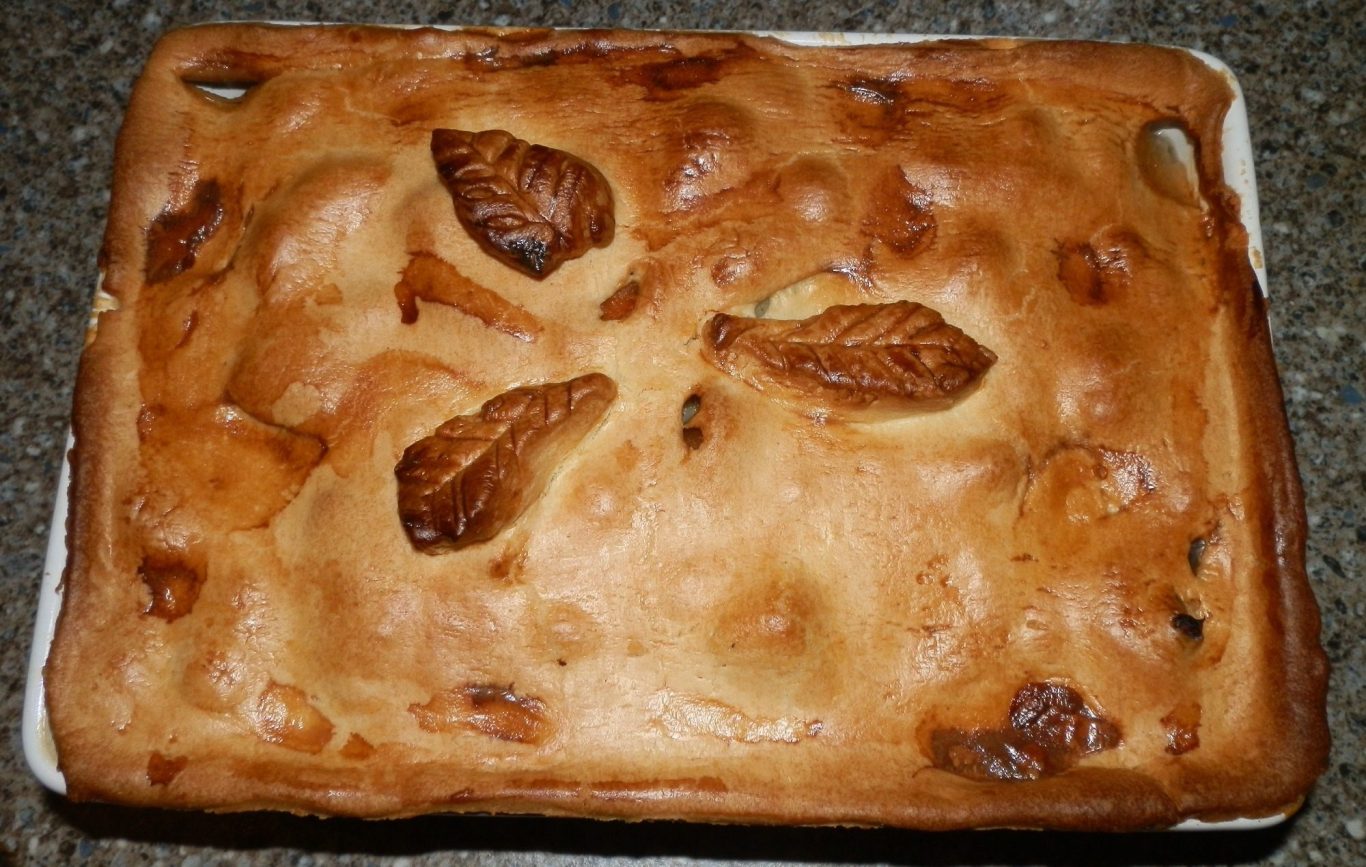
Lord Woolton Pie
By Simon Wilson: For this article, I'm turning to a cookery book rather than an old newspaper. Lord Woolton Pie, as it was known before it lost its title, is one of those wartime horrors like carrot lollies and snoek that has passed into legend. Document
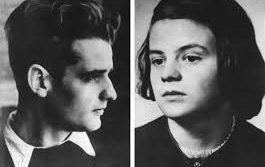
The Guillotine in WWII
By David Gray: While German occupation forces in France often used firing squads for Resistance members and hostages, the Vichy government continued to employ the guillotine as the official legal method for capital punishment. Document
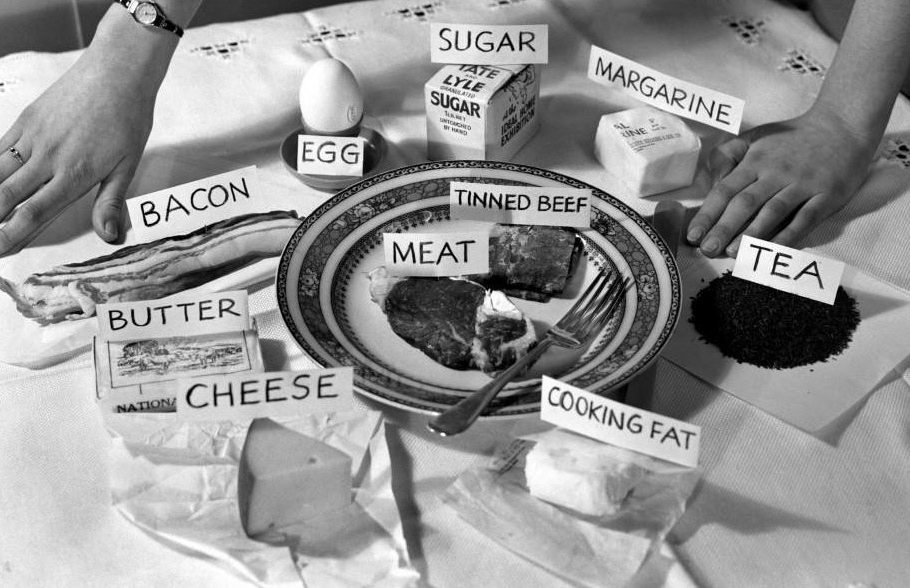
The War on Cheese in WWII
By Simon Wilson: By 1941, with wartime pressures on shipping and supplies, the pre-war vision had become real. Cheese is an important foodstuff, and even more in wartime as it is nutritious, easy to transport and keeps well. Document
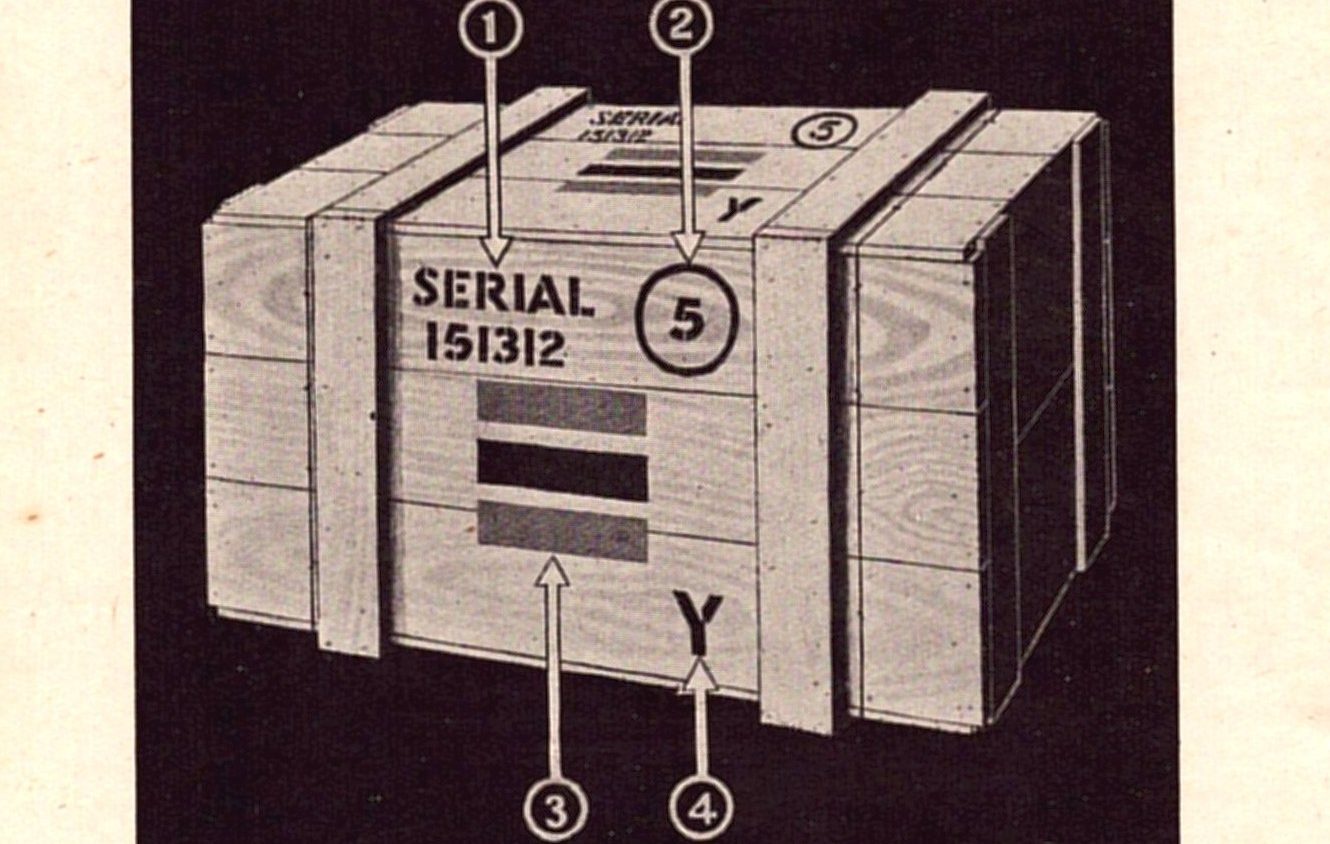
Case, Wood, Packing
By David Gray: British Army naming conventions, particularly for logistics and equipment, often use a 'Noun-First (Inverted)' structure to classify items for inventory purposes, such as "Case, Wood, Packing". Army Form G1098 was the British Army catalogue. Document
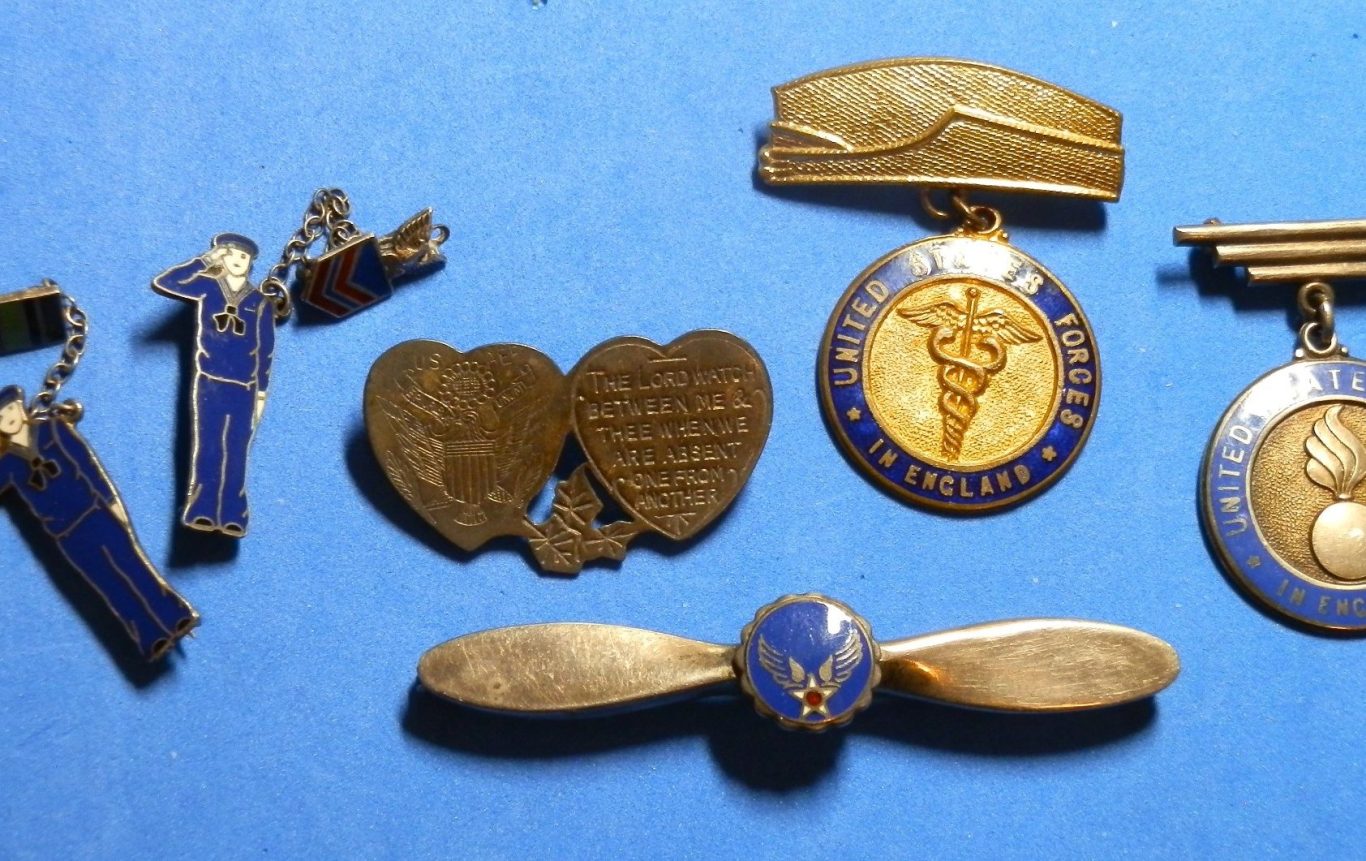
A Present from Uncle Sam
By Simon Wilson: I saw a reference, whilst researching this piece, to the first sweetheart brooches being based on badges and given out to camp followers during the American Civil War. This would pre-date our first sweetheart by about 25 years. Document
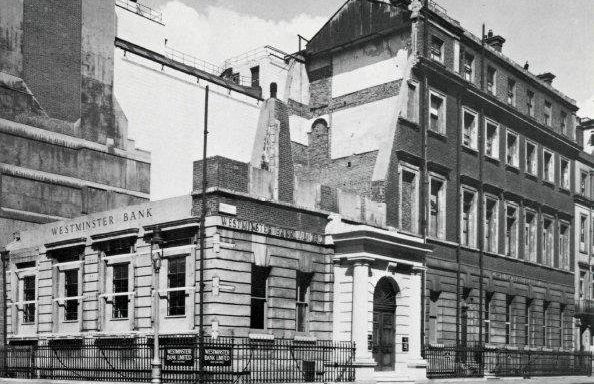
The Role of the Banks in WWII
By David Gray: How did the banks operate in WWII? What happened when branches were bombed and records were lost. How did they finance the government. Did people have much money to save and how was it invested? Document
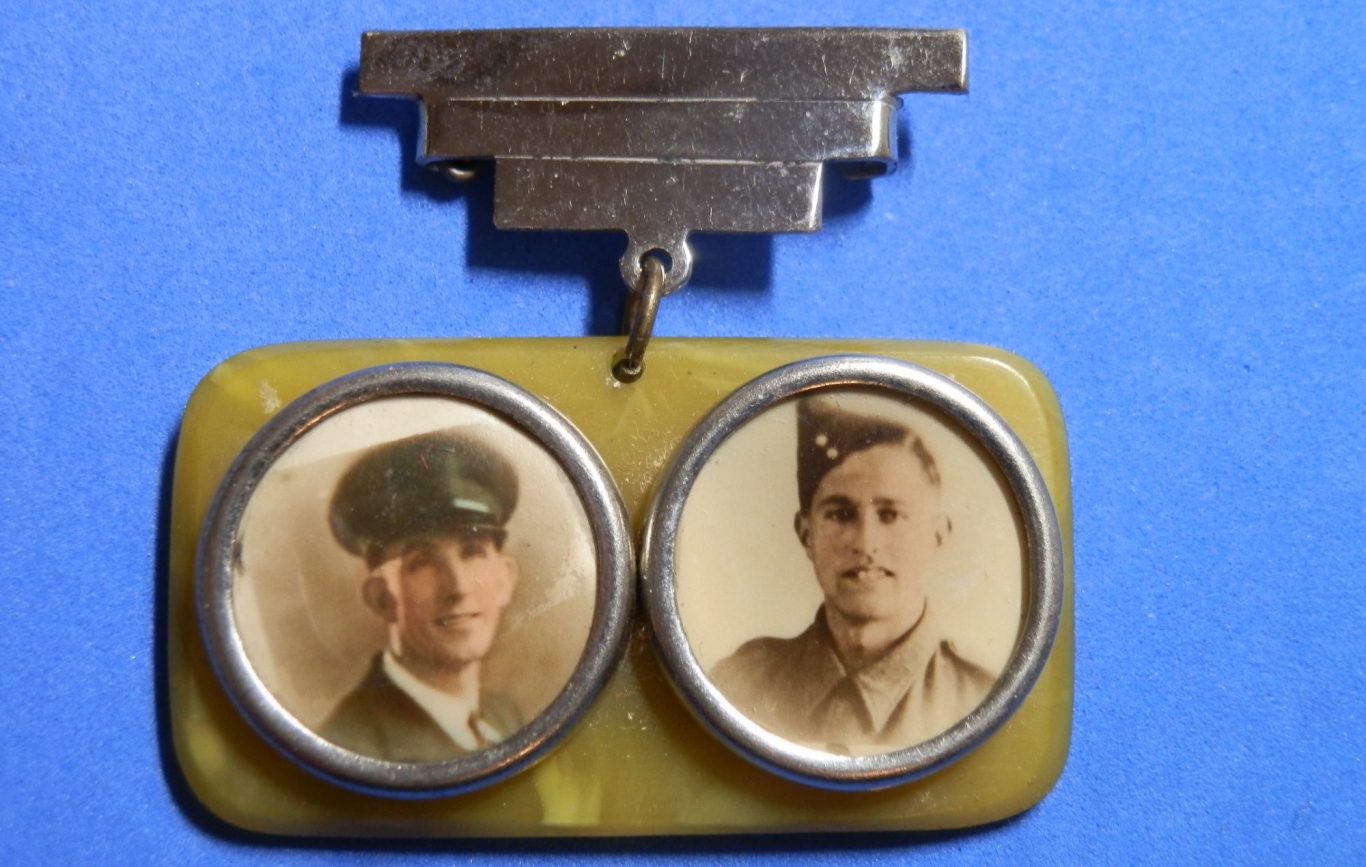
Family Sweetheart Brooches
By Simon Wilson: It's sometimes hard not to think what sweetheart brooches meant to families. It's not possible to link many brooches in my collection to individuals but I do know what happened to a handful of the men who were represented. Document
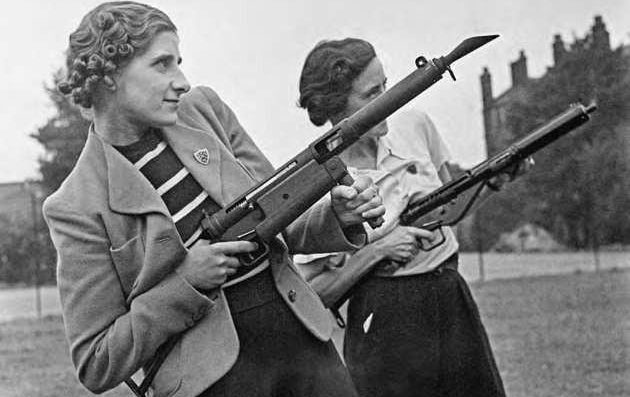
Women and the Home Guard
By David Gray: Prior to H.G. service, the "Women's Home Defence" (WHD) was an unofficial organization founded by Labour MP Dr. Edith Summerskill in 1940 to enable women to receive weapons training during WWII. Document
'Battle Planes'
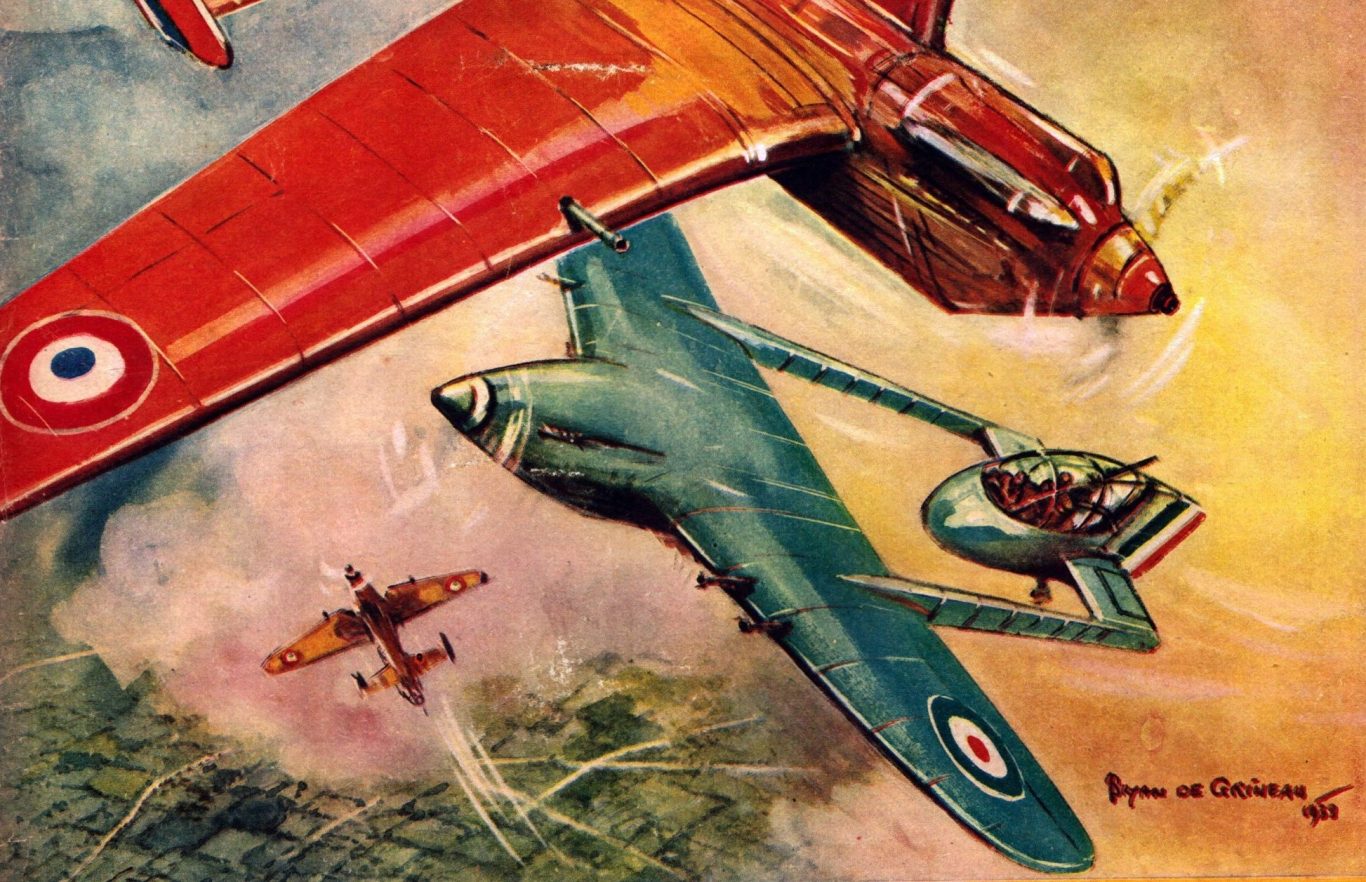
By David Gray: A picture appeared on the front cover of a magazine 1938. We could be forgiven for thinking that the aircraft depicted were the figments of a story-teller’s imagination, however, these aircraft were both real. Document.
Propaganda Iron Crosses of 1914
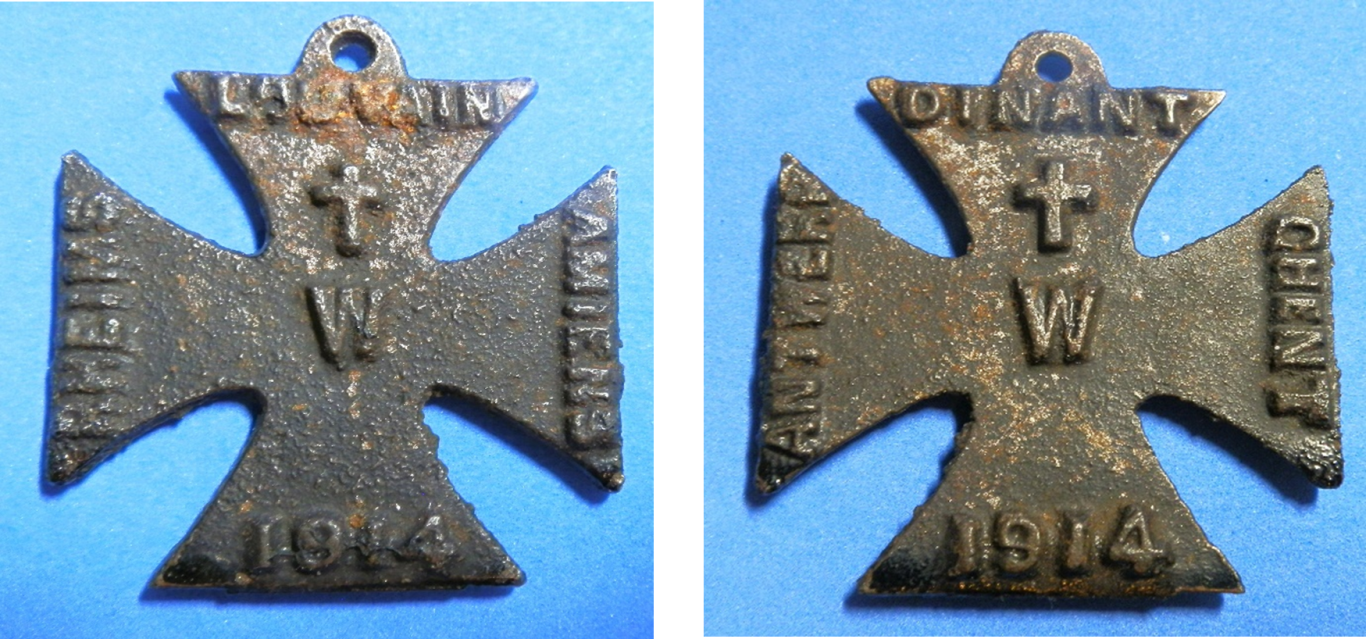
By Simon Wilson: Like many things, there used to be a lot of these about. Known as “Propaganda Iron Crosses”, these are crudely made cast crosses, often bearing the names of French and Belgian cities. not much is known about them. Document
Defective AA Fire in WWII
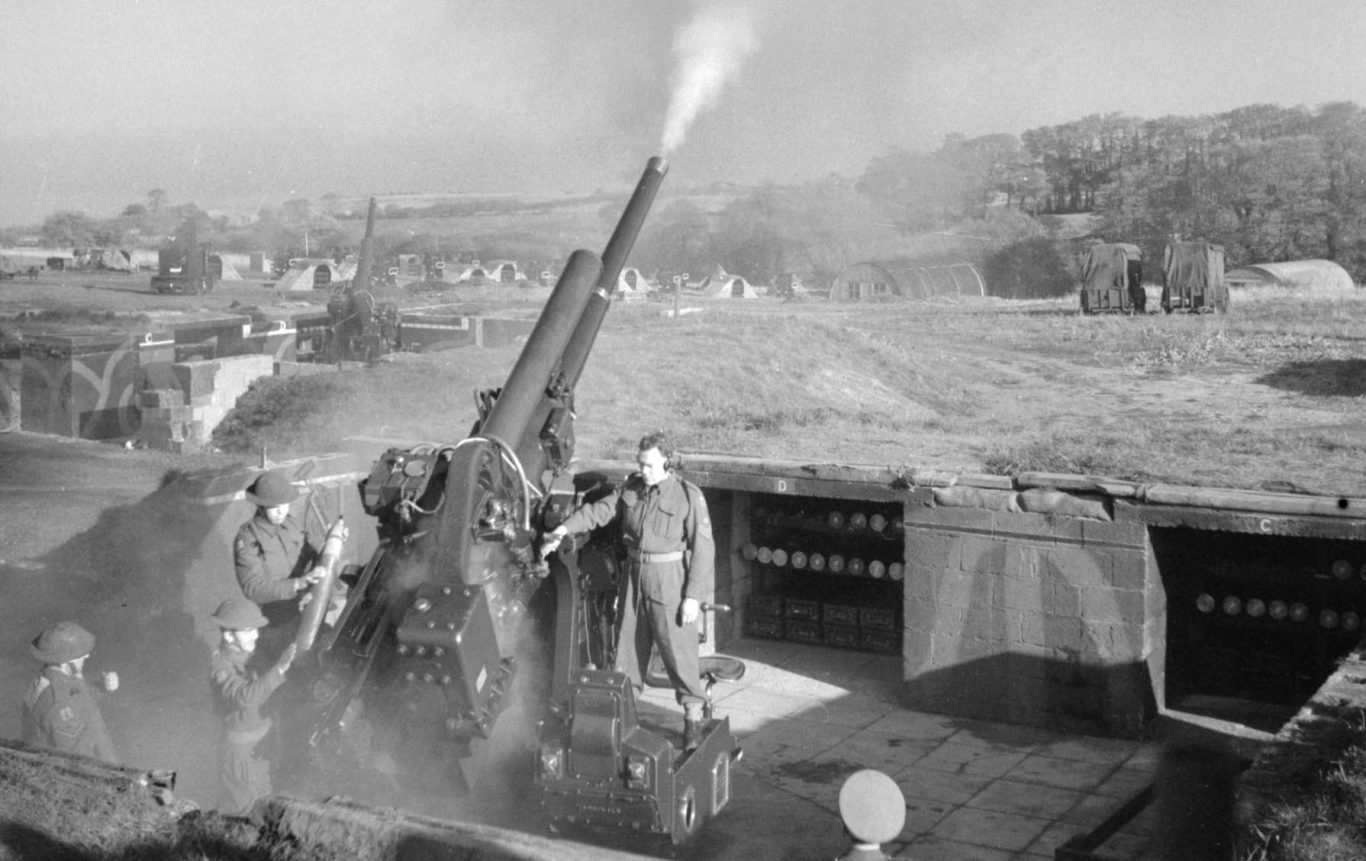
By David Gray: British anti-aircraft guns caused significant civilian casualties during the Blitz, with some estimates suggesting collateral damage from shrapnel and unexploded shells caused up to 50% of casualties during some bombing raids. Document
Peterborough Petty Sessions in WWI
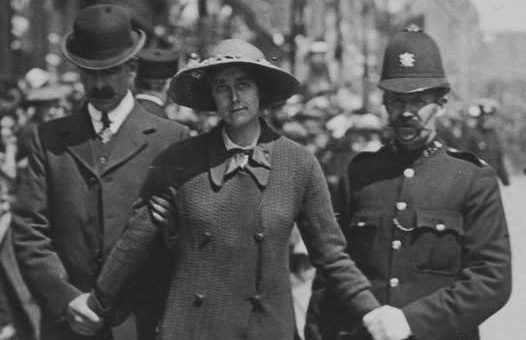
By David Gray: The Petty Sessions was the equivalent of our modern-day Magistrate’s Court. They dealt with all manner of transgression whether committed by civilians or military personnel. Some cases here from WWI. Document
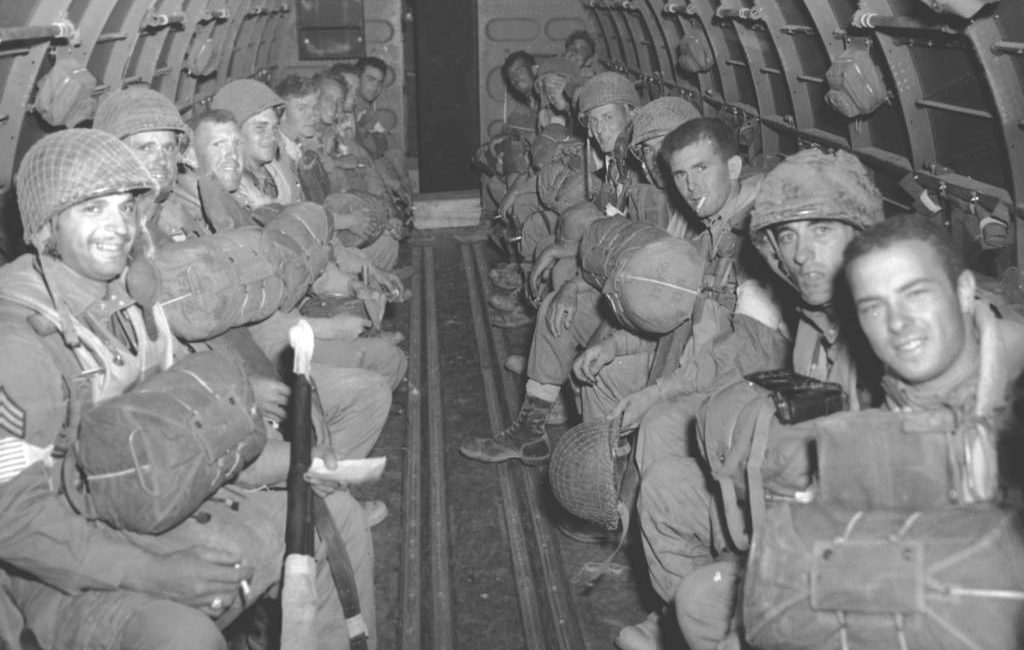
Friendly Fire in WWII
By David Gray: There's no single definitive number for Allied aircraft lost to friendly fire in WWII, as records are incomplete and difficult to separate from combat losses, but major incidents included hundreds of paratrooper deaths in Sicily. Document
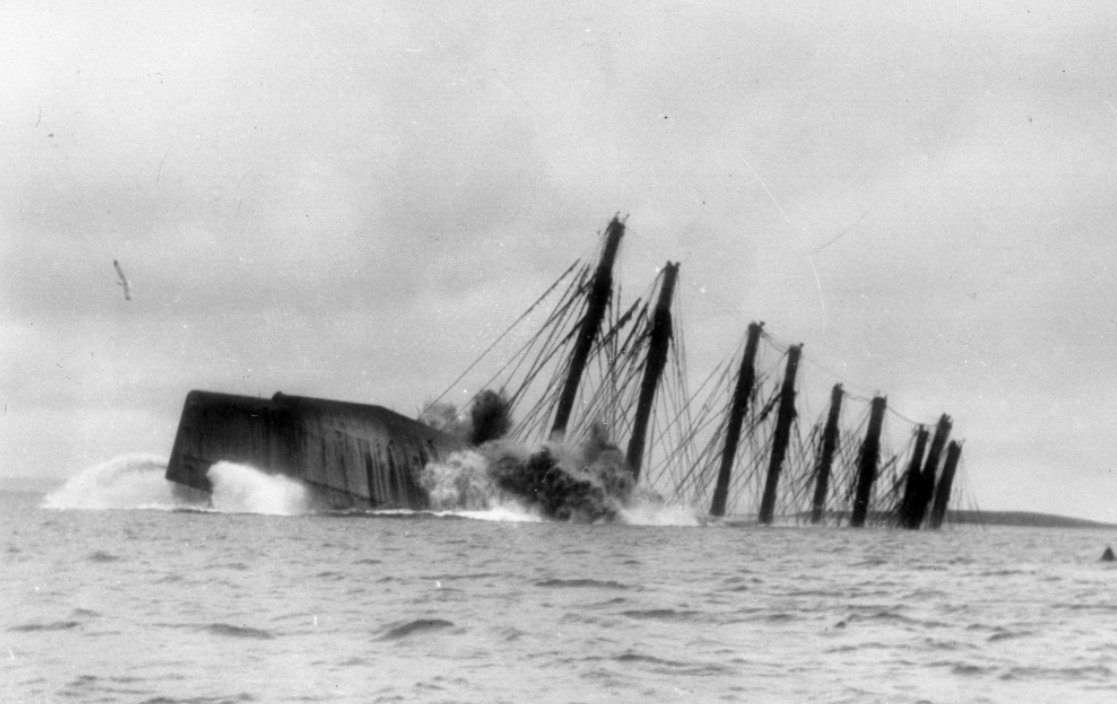
Salvaging the German Fleet
By David Gray: “Two hundred feet under the sea at Scapa Flow there is an engineering shop in the upturned hull of the German battleship, Grosse Kurfurst, which was sunk there with the rest of the German Grand Fleet just after the war.” Document
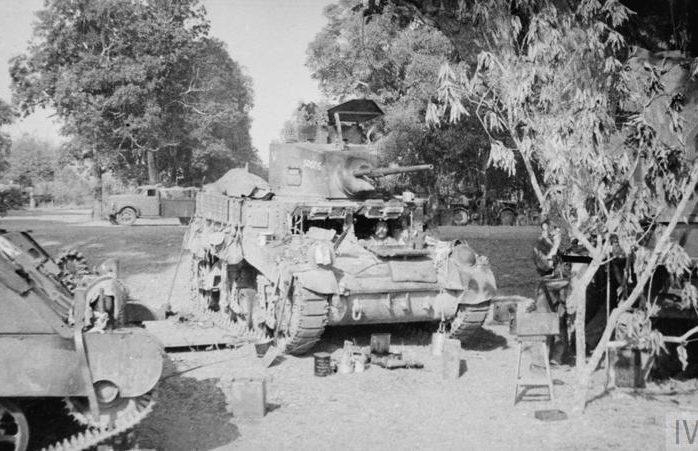
The Retreat Through Burma
By David Gray: The retreat through Burma in May 1942 was the longest fighting withdrawal in British history. A desperate 1,000-mile flight after the fall of Rangoon and Mandalay, by approximately 45,000 British troops. Document
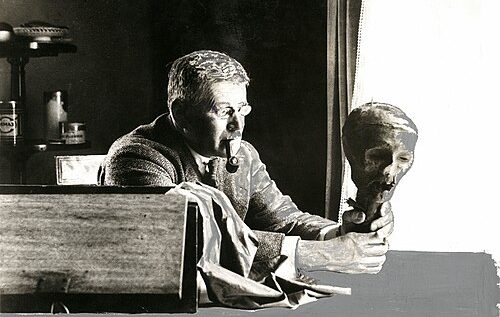
The Head of Oliver Cromwell
By Simon Wilson: Cromwell's head, bound in iron, stayed in place until a storm in 1684 blew it down, where a sentry found it on the ground and took it home. A reward was offered for the return of the head, which was a national relic. Document
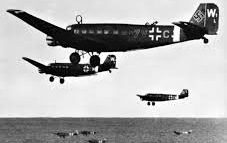
Massacre of the Ju52's
By David Gray: The Palm Sunday Massacre had a profound impact on the German airlift capabilities in North Africa. The heavy losses suffered by the Luftwaffe severely affected their ability to supply and evacuate troops. Document
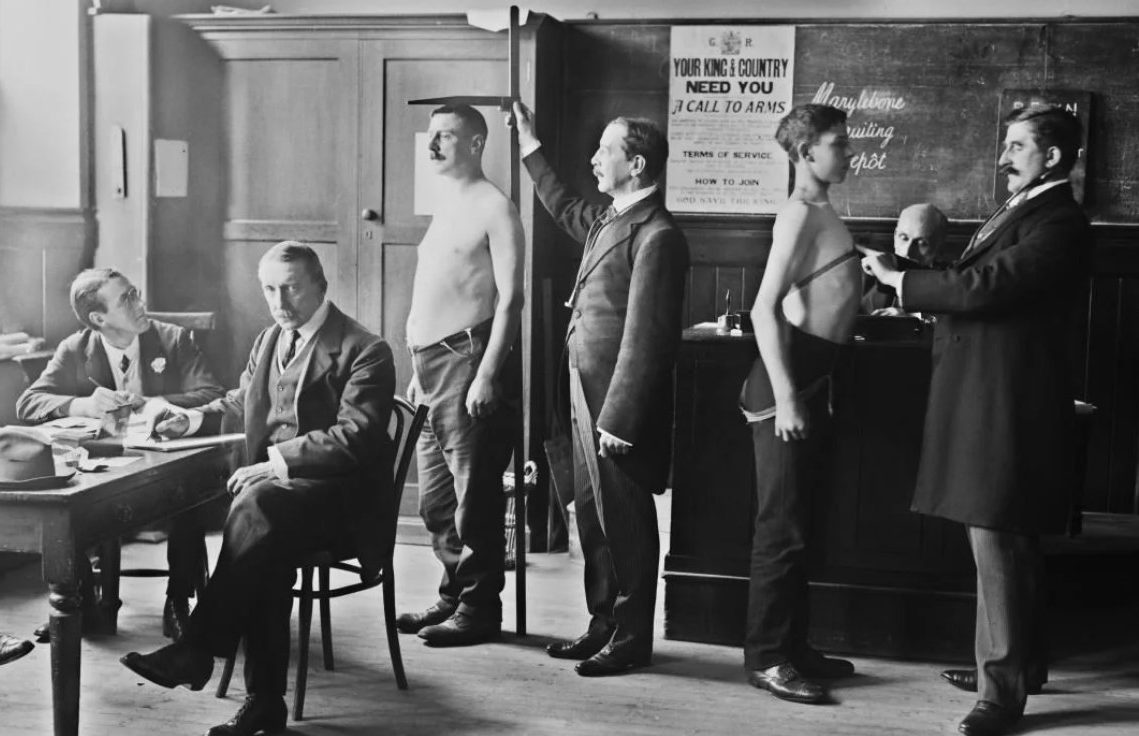
WWI Tribunals in Peterborough
By David Gray: “Undoubtedly it is a hard decision for many. To speak as though all the single young men left are now shirkers is to be something less than just. For there are those upon whom important business depends." Document
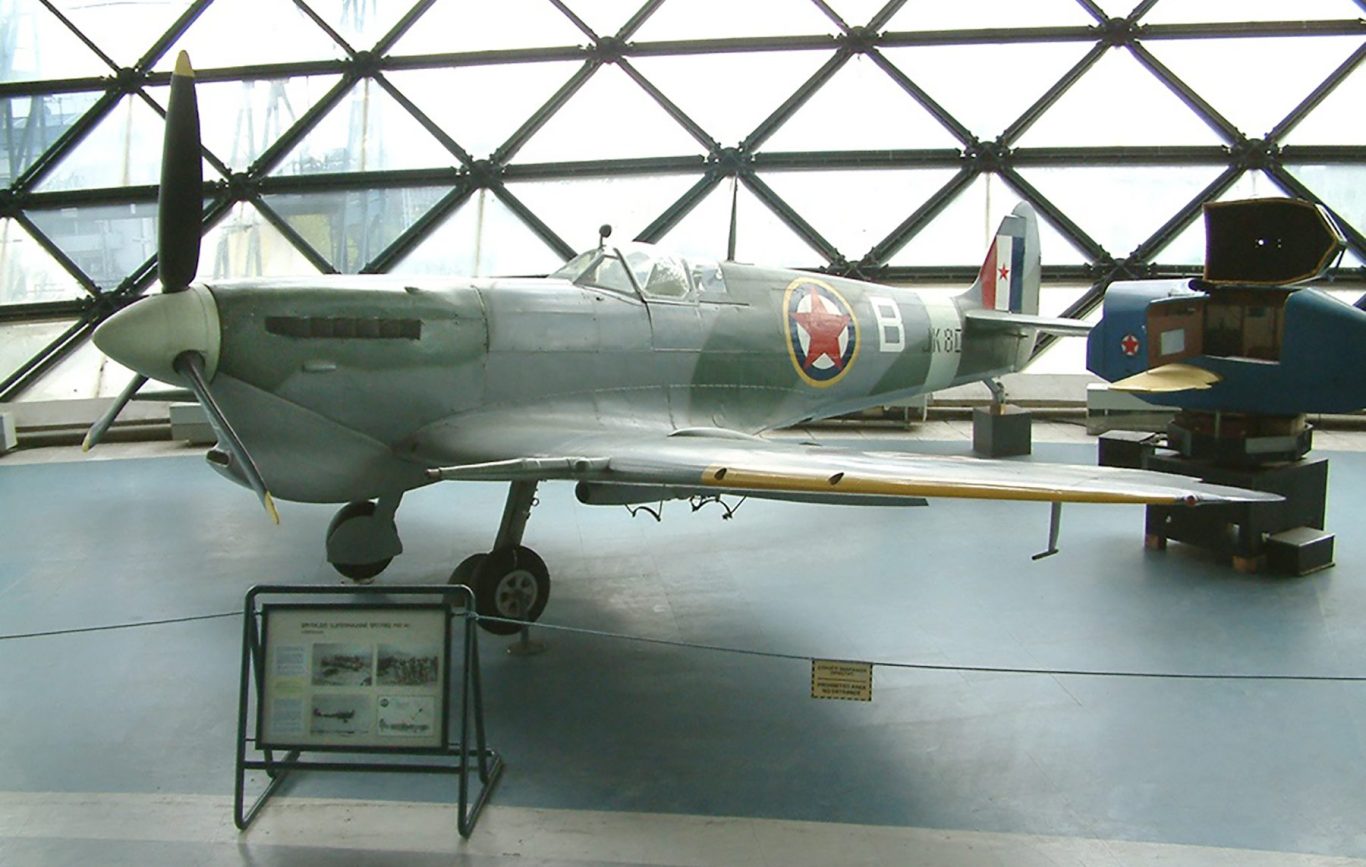
The Lost Spitfire
By David Gray: This is the Story of Flight Sergeant ‘Bob’ Hills and his Spitfire JK808. Flt/Sgt Hills was lost ferrying his Spitfire over Nigeria along the Takoradi Route. Len Sanger knew Bob, and decided to find out what became of him. Document
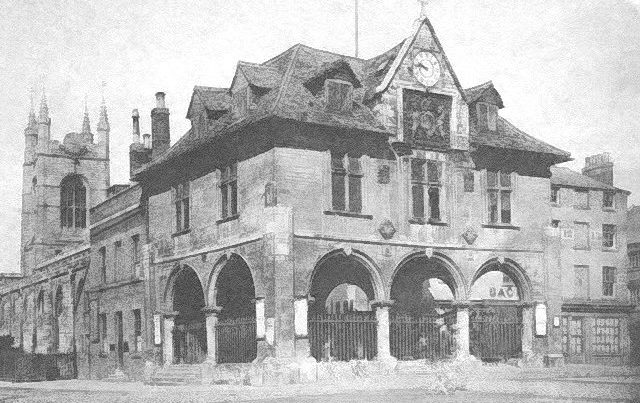
Accidents in WWI
By David Gray: This is the story of people from Peterborough, mostly in the Armed Forces, but also civilians at home, who had war related accidents during WWI. These accidents took place while the men were serving or working and some of them were fatal. Document
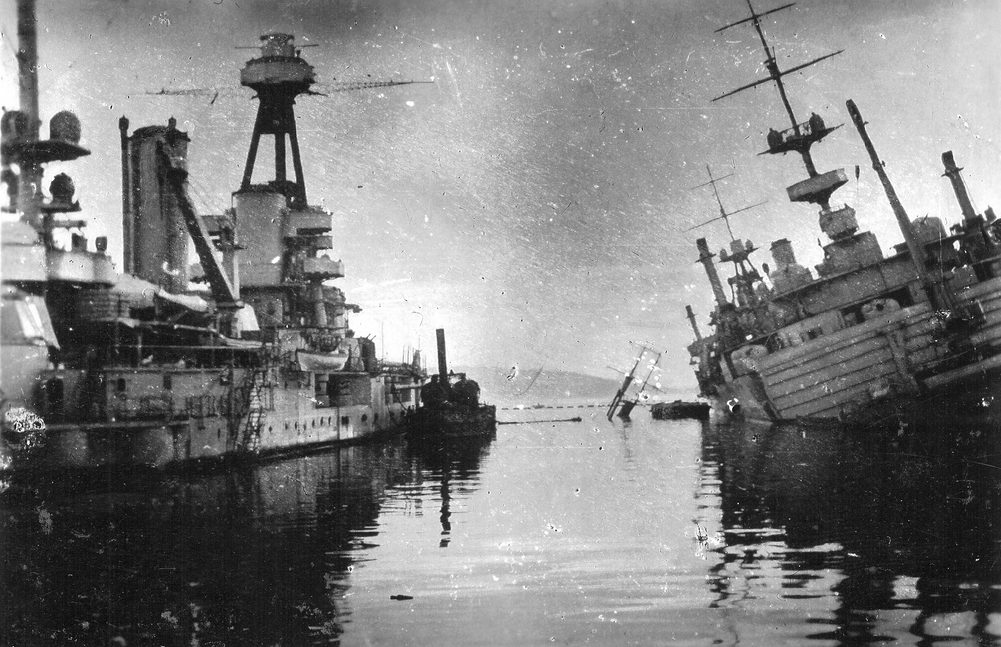
Toulon - Death of a Fleet
By David Gray: The French Fleet was scuttled at Toulon by its own sailors on November 27, 1942. This was to prevent it from being captured by German forces after the Nazis invaded the "Free Zone" of France, ignoring the Vichy Government. Document.
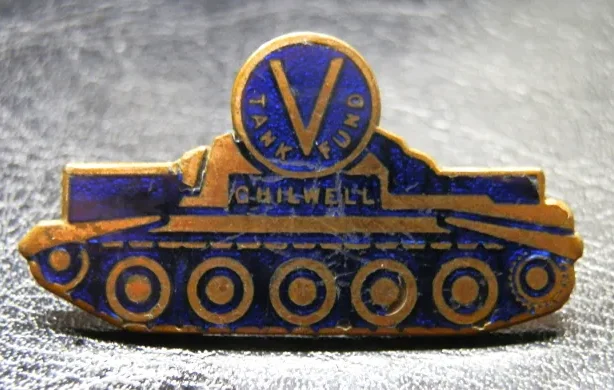
Chilwell - The V.C. Factory
By Simon Wilson: The plan of the factory was drawn up on 7 September 1915, ground was broken on 13 September. By 8 January 1916 the first shells had been filled and by 22 January a batch had been transported to Shoeburyness for test firing. Document.
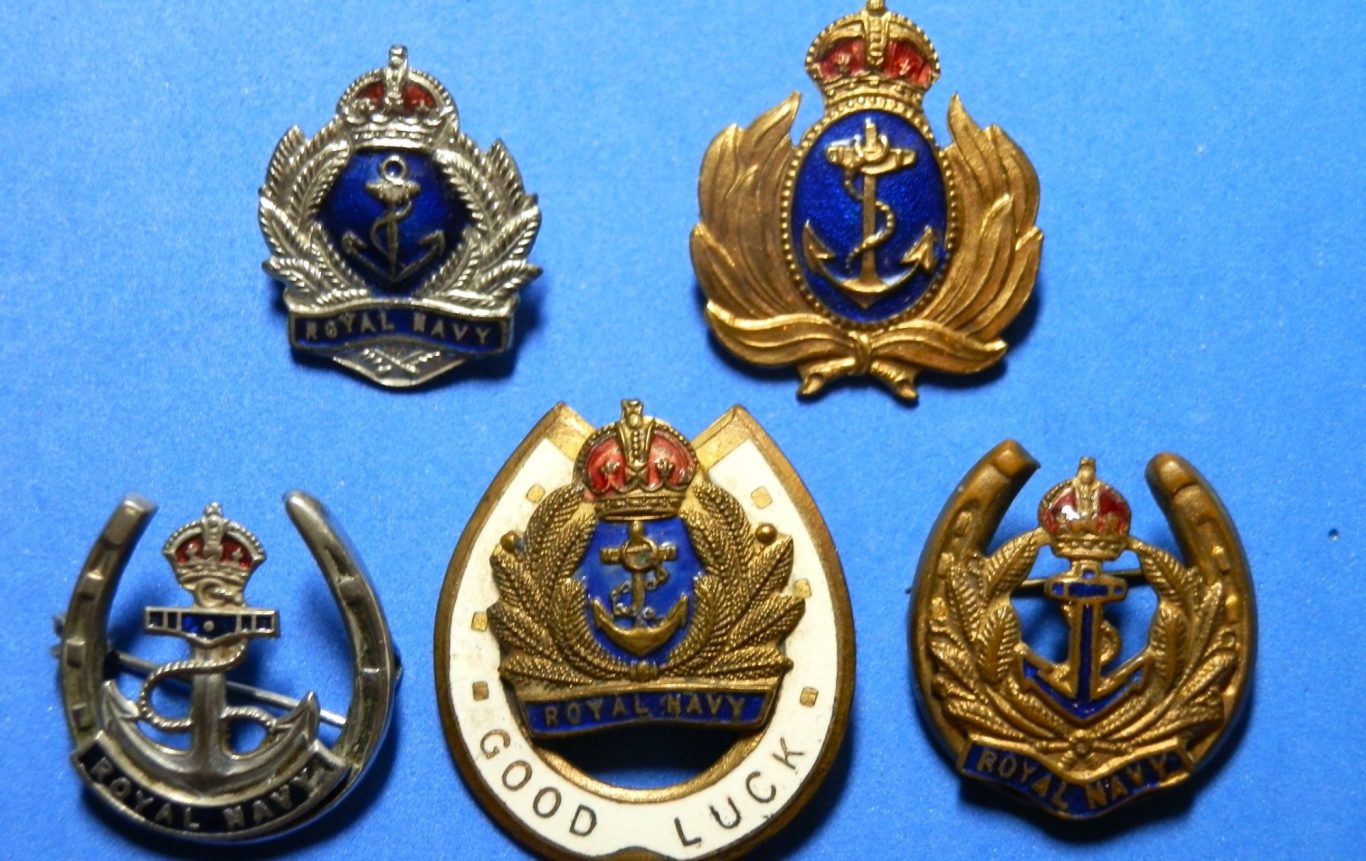
Navy Sweetheart Brooches
By Simon Wilson: Over the years I have collected a few Naval sweetheart brooches. They are less common and often more expensive than the Army and Air Force brooches. Just as RAF brooches rely on wings, a lot of RN sweethearts rely on cap badges. Document.
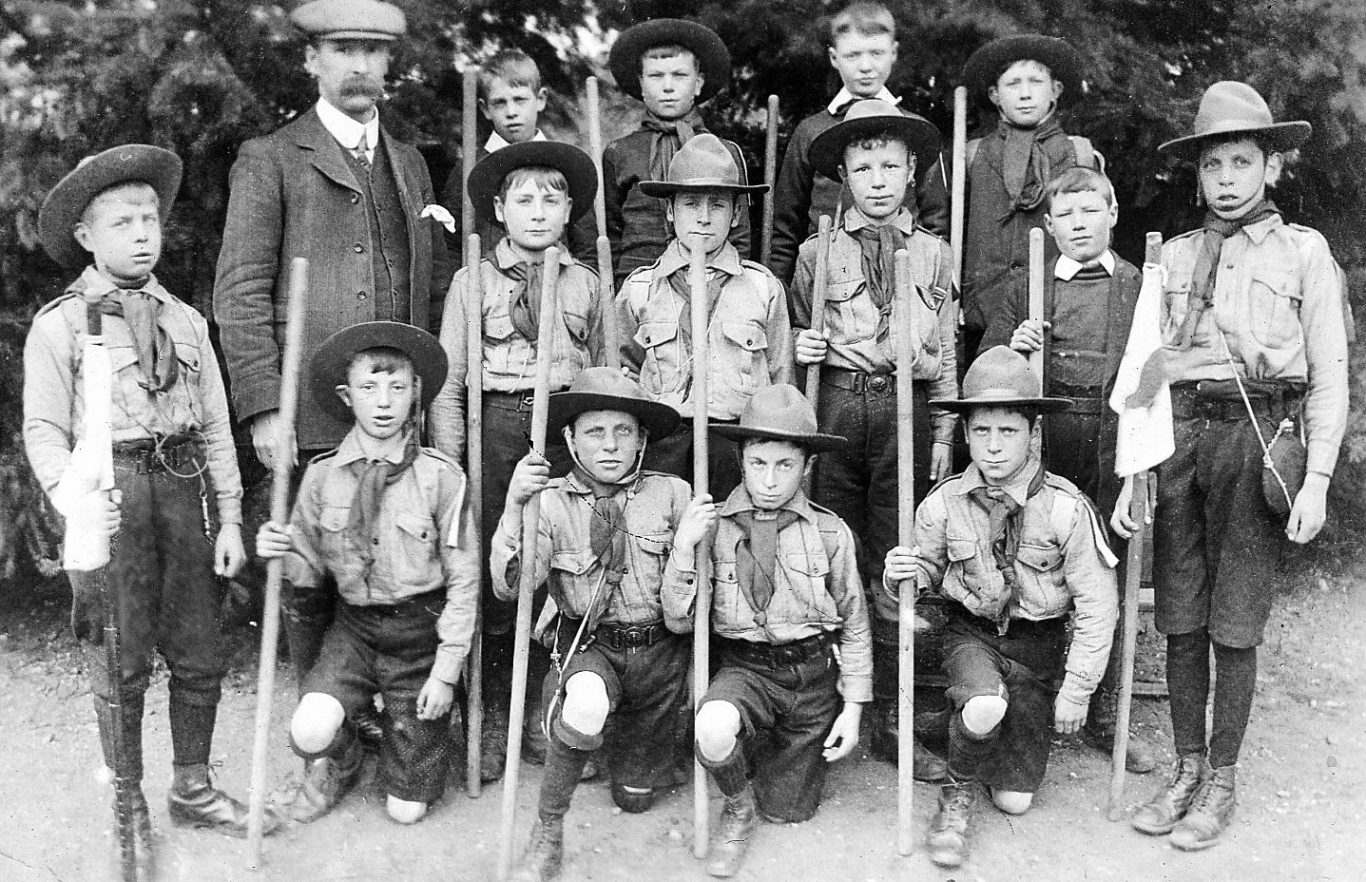
Spy Fever in Peterborough WWI
By David Gray: People were beginning to see ‘spies’ everywhere, just four days after war was declared, two travellers from Filey were arrested as spies at the Peterborough G.N. Station. They were eventually released as harmless. Document.
The Shackling Crisis
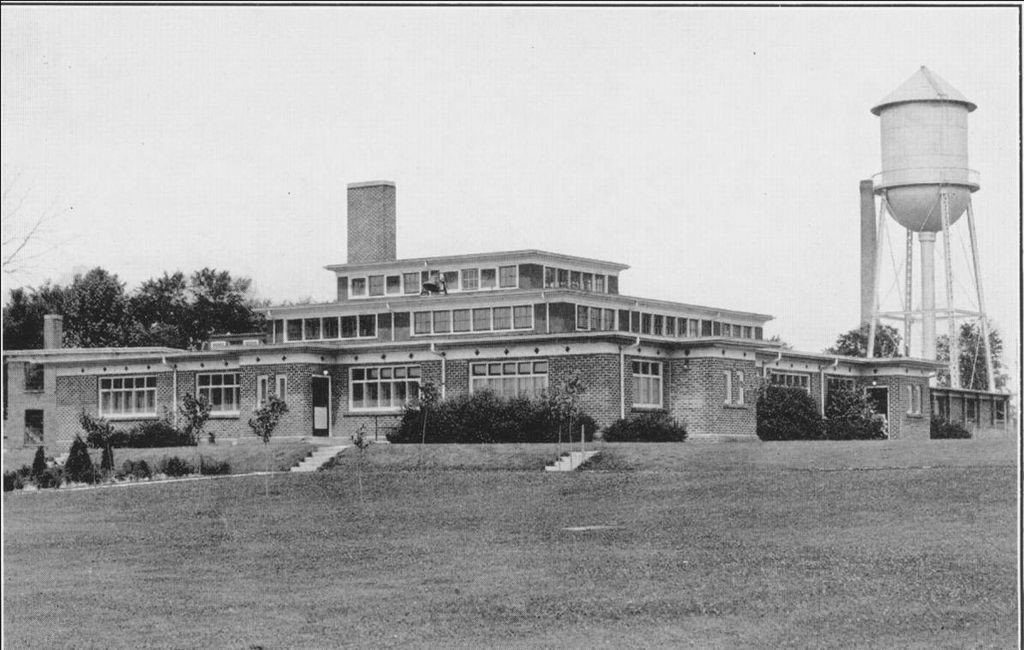
By David Gray: Both Britain and Germany put prisoners of war in chains during the short-lived "Shackling Crisis" during World War II, a retaliatory cycle that was eventually ended by Canada’s intervention and mutual consent. Document
A Man with a Mirror
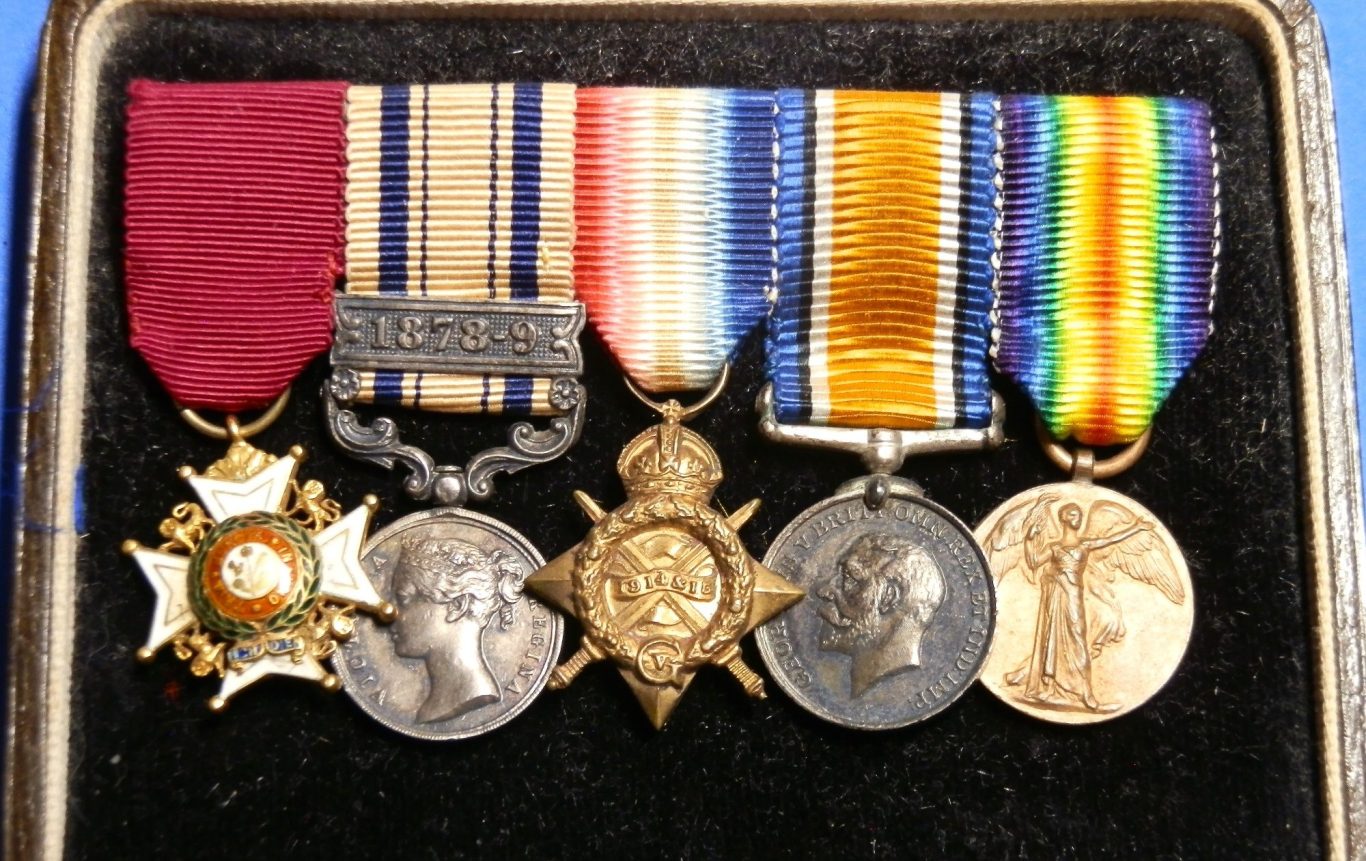
By Simon Wilson: The story of Colonel C E Haynes of the Royal Engineers, his miniature medals, and how he came up with a scheme to open up communications with a besieged garrison at a fortified mission station during the Zulu War. Document
British Armoured Trains of WWII
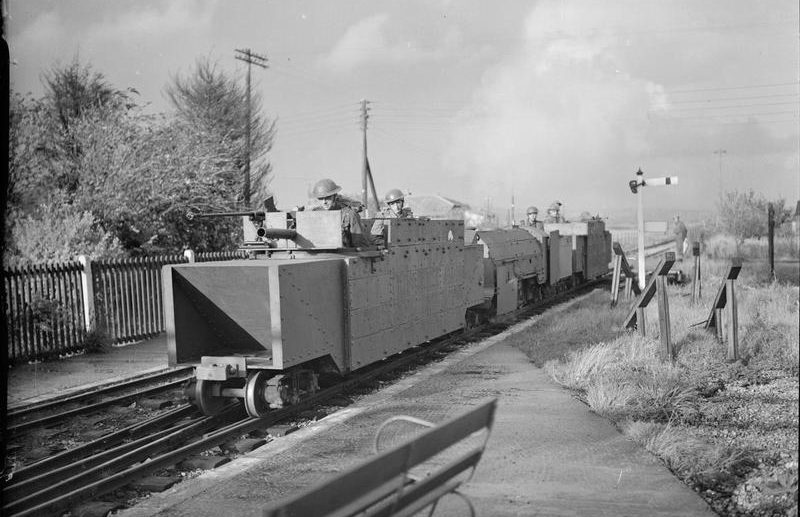
By David Gray: In WWII, the British Army established 12 standard-gauge armoured trains to patrol vulnerable rail routes along the coast. These armoured trains were primarily for coastal defence against German invasion. Document
Three Indian Peace Medallions - 1919
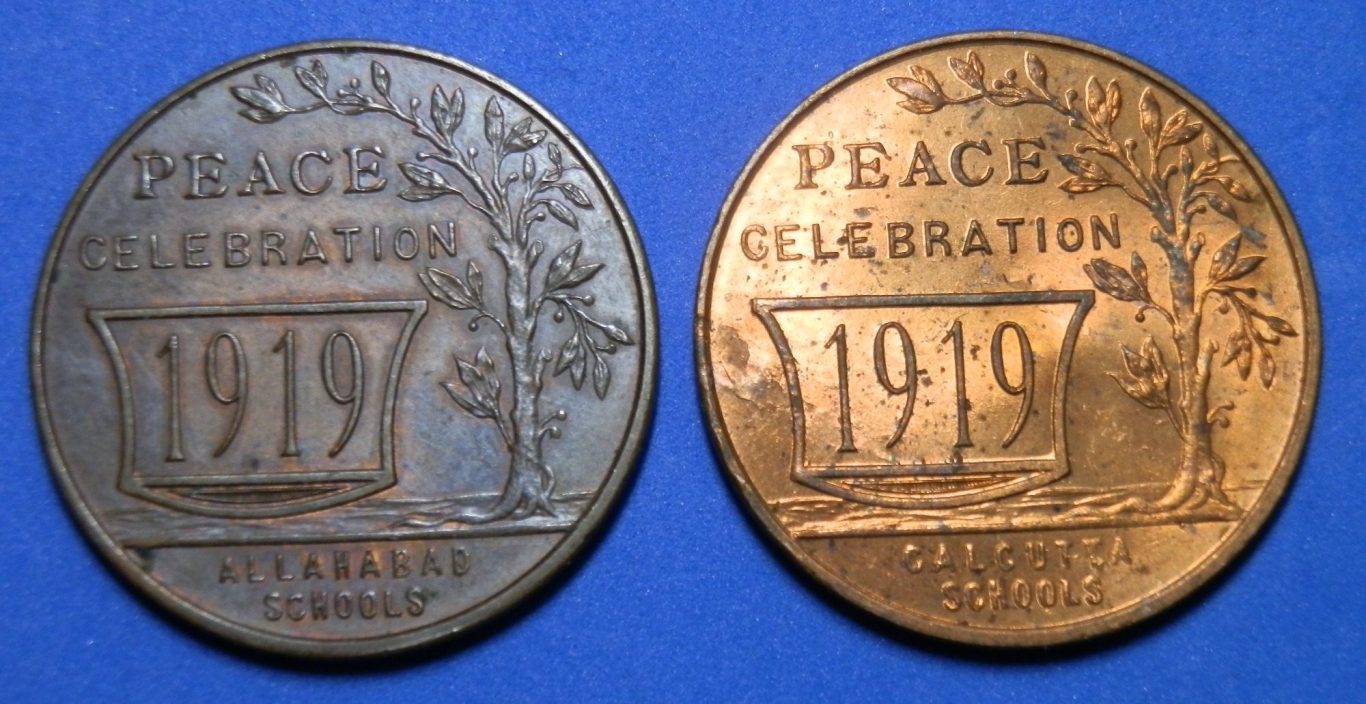
By Simon Wilson: Sometimes, what seems like a simple search for information turns up nothing. Other times, you get a surprise. In this case it was a bit of both. It all started as a search for information about a medallion I bought. Document
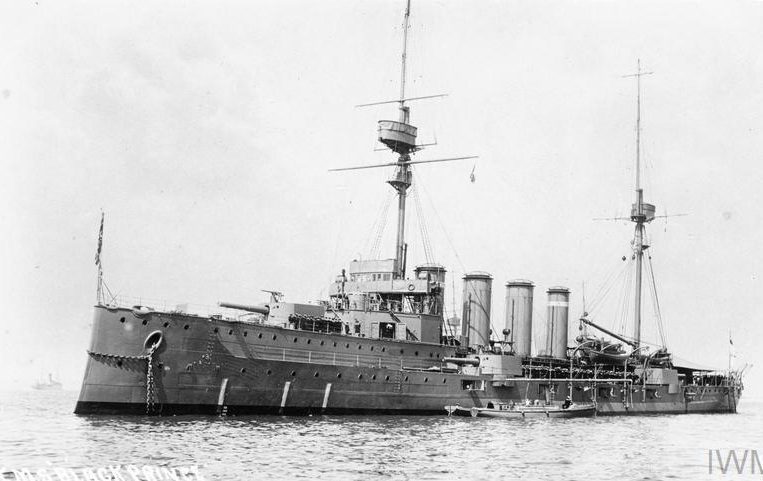
Peterborough Victims at Jutland
By David Gray: Total British losses during the Battle of Jutland were 6,784 men, total German losses 3,039. The Royal Navy lost 14 ships including three battle cruisers. These are the stories of the casualties from Peterborough. Document
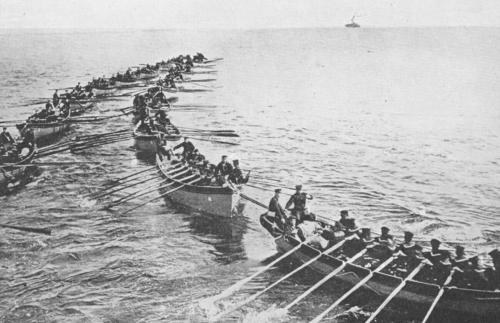
The Siege of Tsingtao
By David Gray: The siege of Tsingtao was the only major land engagement of World War I in the Asian and Pacific theatre. It was fought between Germany, Japan and Britain for control of the German-leased port city of Tsingtao. Document
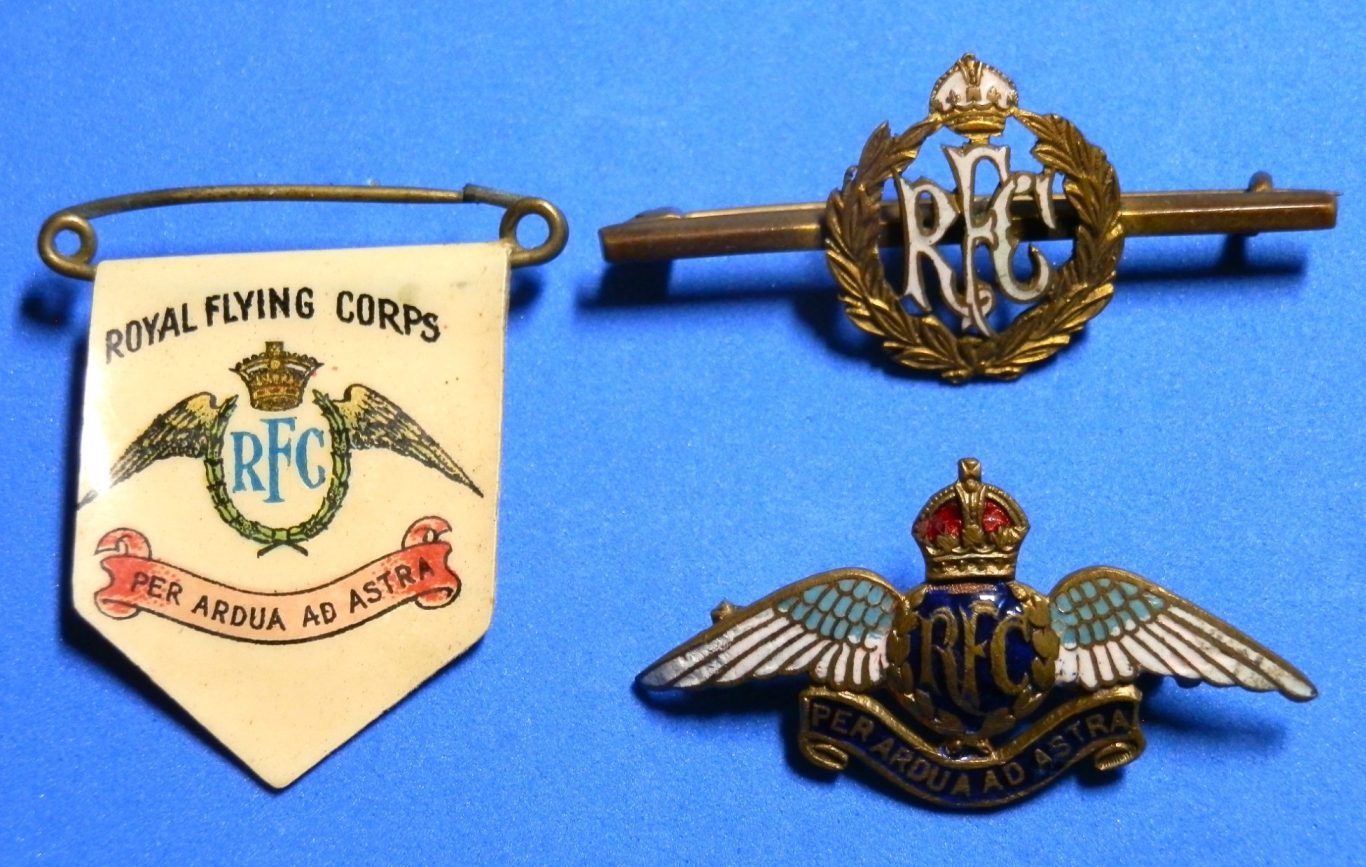
Sweethearts of the Flying Services
By Simon Wilson: The second instalment of Simon Wilson’s series on Sweetheart brooches. There are several differences between collecting Army sweetheart brooches, as covered in the first of these articles, and brooches to the flying services. Document
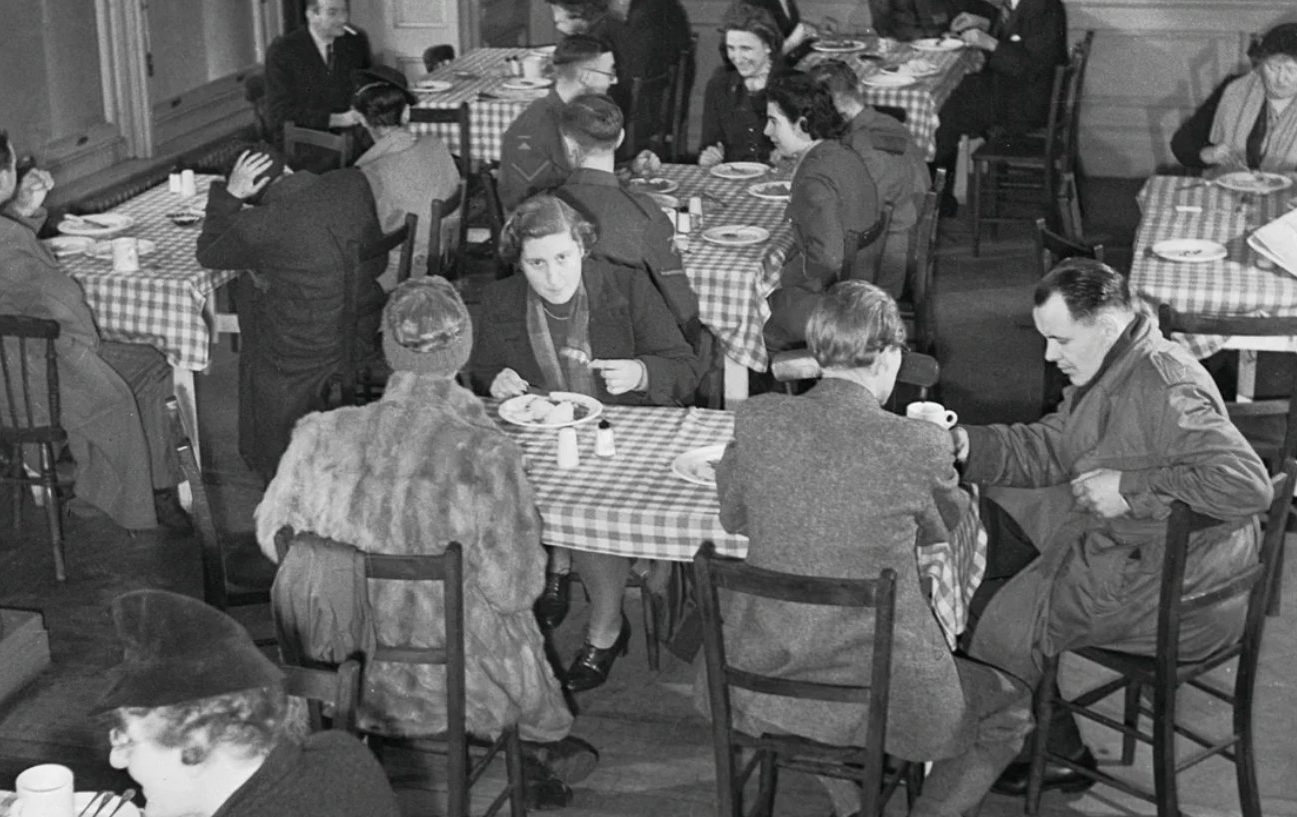
Restaurants and Rationing
By David Gray: British people did not use their personal ration books when they went out to eat in cafes, restaurants or hotels during World War II. Meals eaten out were exempt and this is how the system worked. Document
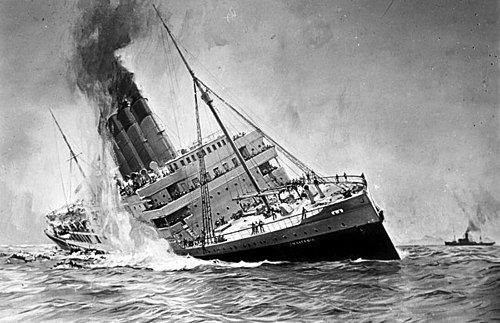
The Lusitania - A Famous Story
By Simon Wilson: The Lusitania is one of the most famous shipwrecks in maritime history. She lies eleven miles off the coast of Ireland, and is 300 feet down. This is shallow for a wreck and as a result she has suffered a lot of damage. Document
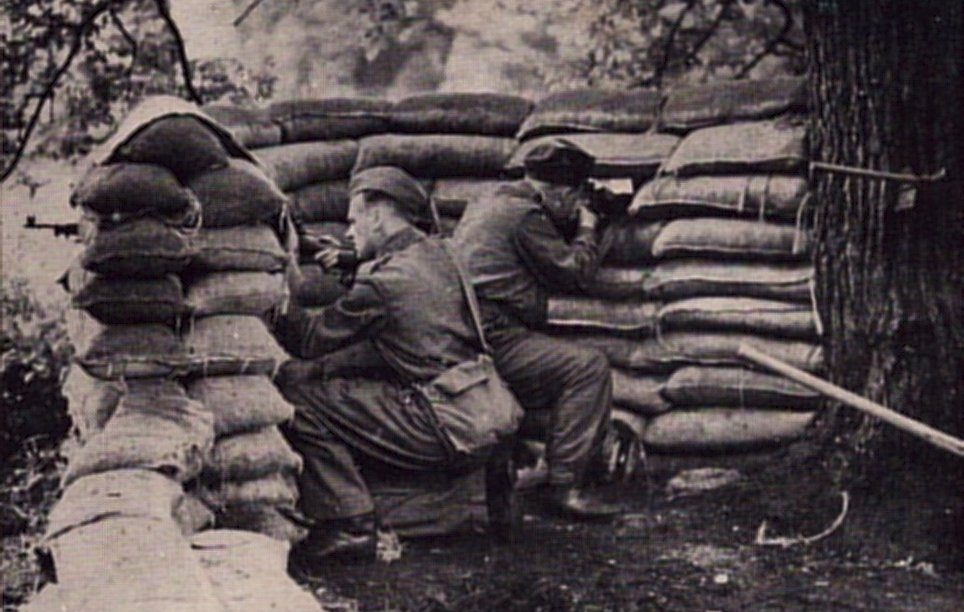
Osterley Park Home Guard School
By David Gray: The Osterley Park Home Guard training school was the UK's first official training centre for the Home Guard. Established in July 1940 by Spanish Civil War veteran Tom Wintringham to teach Home Guard volunteers. Document
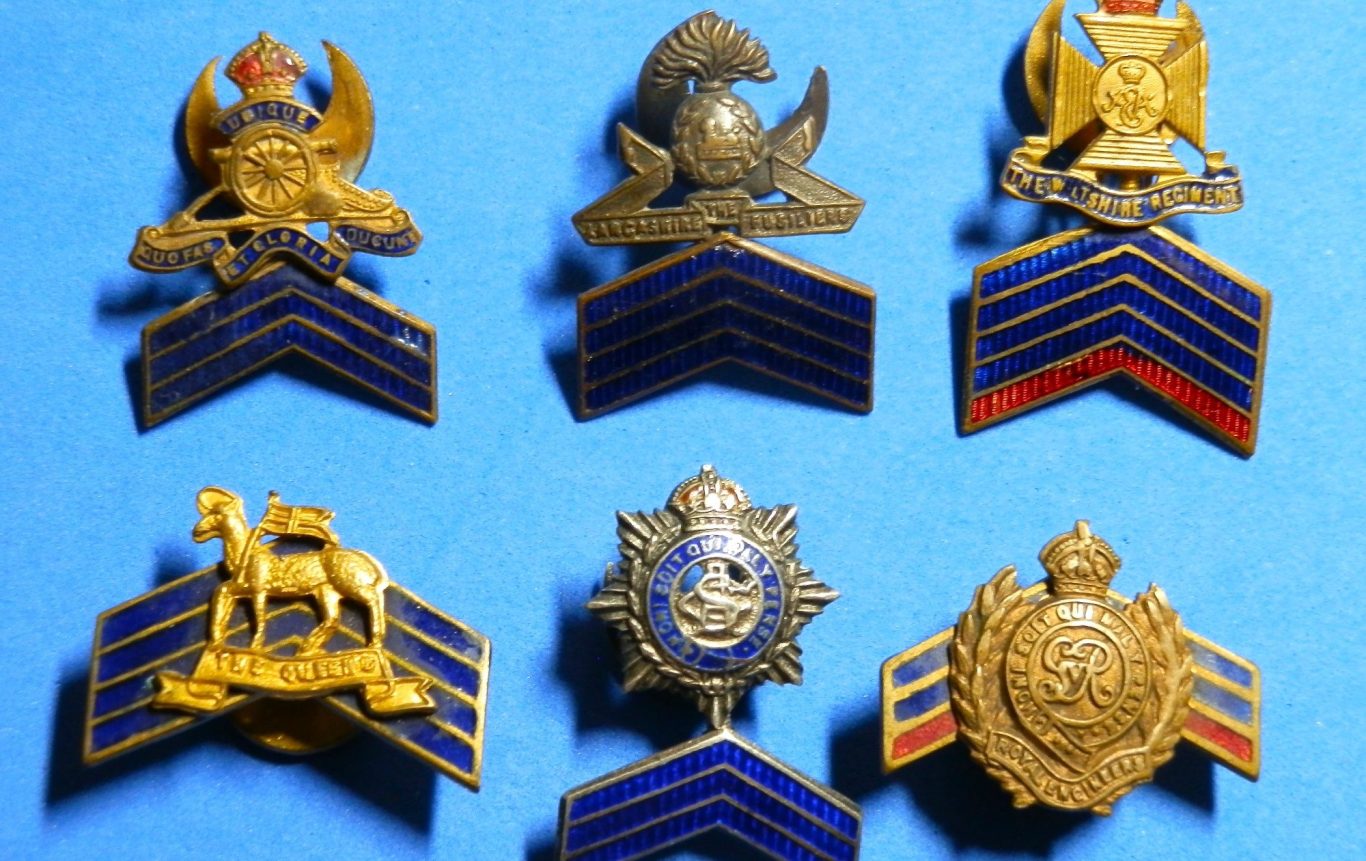
Sweetheart Brooches
By Simon Wilson: A general description of sweetheart brooches and a brief look at their history. Examples will concentrate on the Army, but I will cover the Royal Navy, Royal Air Force and souvenir badges in later articles. Document
Mary of Arnhem WWII
By David Gray: In the swamps around Arnhem, Allied soldiers were constantly shelled by German artillery. On the radio, they listened to the warm voice of 'Mary of Arnhem', the presenter of a German propaganda station. Document
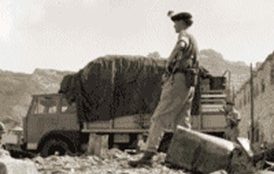
The Arab Police Mutiny - Aden 1967
By David Gray. We don’t hear very much about the small actions British troops have been involved with post WWII. This story regarding an action in Aden in 1967 shows that the bravery of the British squaddie was enduring. Document

The Tipton Catastrophe
By David Gray. The Tipton Catastrophe or Dudley Port explosion was a 1922 munitions explosion in the South Staffordshire town of Tipton, in which 19 teenaged girls, working in an unlicensed and unsafe factory, died. Document.

The Black Market in WWII
By David Gray: A story from the pages of the “Sunday Pictorial” published in 1941. It shows a typical case of black-market criminality where someone was taking advantage of the shortages in wartime Britain and was caught. Document.

Alaska Siberia Air Road
By David Gray. From 1942 to 1945, over 8,000 aircraft such as the Bell P-63 Kingcobra, were ferried from the U.S. to the U.S.S.R. through Canada via the Alaska-Siberia Air Road, under the Lend Lease agreement. This is that story. Document.

Death Ray - 1939 A Possibility?
By David Gray. In 1939, prior to the start of WWII, Professor A. M. Low wrote about the possibility of a death ray being invented which could be used to knock enemy aircraft out of the sky. This is his opinion on the reality. Document.

Okinawa - 82 Days of Slaughter
By David Gray: The Battle of Okinawa was finally won on Friday, June 22nd 1945. With the war in Europe over since May 8th 1945, the American G.I.’s in the Pacific theatre were already beginning to think they had been forgotten. Document.

The Duke of Bedford WWII
By David Gray: The 12th Duke of Bedford, Hastings Russell, was controversial during WWII due to his extreme pacifist stance, pro-German sympathies, and involvement in unsanctioned peace negotiations with the Nazis. Document.

The Story of Six Submarines + 1
By David Gray: A look at the roles of six Royal Navy submarines (plus 1), in a snapshot published in a newspaper on February 23rd, 1941. We don't hear so much about the actions carried out by the Royal Navy's submarines. Document.

The Brits who Died at the Alamo
By David Gray: Most people have heard of the Battle of the Alamo. A small group of Texian defenders, ultimately defeated by the larger Mexican army. But did you know that twenty-five of the defenders were British? Document.

Crime in Peterborough WWII
By David Gray: This is the story of crime in Peterborough during the WWII. Necessities such as the blackout and rationing created an environment where, shortages and opportunity put people in conflict with the law. Document.

Timeline to a Japanese War
By David Gray: A series of news stories charting the path to war with Japan in 1941. They are articles taken from newspapers published at the time the tragedy was unfolding. Together they describe the journey into the abyss. Document.

True Heroes of the Blitz
By David Gray: I have already written an article on this subject but focused on women in the blitz. In an effort to redress the balance, I have now written the story looking (mainly), at the bravery of the men. But also, children. Document

Stamps and WWII
By David Gray: Having previously uploaded a story to the Research page about collecting medals in past years, I thought it only reasonable to do the same for stamps. This story comes from a report published in March 1943. Document.

True Heroines of the Blitz
By David Gray: Looking through old newspapers from WWII, I have found numerous stories telling of the bravery of women while the bombs were falling. It seems right to record some here so that their deeds are not forgotten. Document.

The Silver War Badge
By Simon Wilson: The Silver War Badge was first issued in September 1916 to address a need amongst the growing numbers of servicemen who had served in the Forces and, for a variety of reasons, found themselves back in civilian life. Document.

Defecting Aircraft of WWII
By David Gray: A look at pilots who decided to defect to the enemy in their aircraft. These are mostly Axis pilots but there was one notorious Allied pilot who defected to the Germans with his aircraft and was later convicted. Document.

Twenty Minute Project - WWI
By Simon Wilson: In a box of papers, I found a postcard of a Norfolk Regiment soldier with a note on the back. Thinking it would take about twenty minutes to put a story to the picture, I turned the computer on. Nothing is that simple. Document.

They Also Serve - WWI
By Simon Wilson: The story of the Blake family, and how a key, bought from a medal dealer in Devon seventy years after events, became the catalyst for Simon Wilson to carry out further research into this family of heroes. Document.

The Isle of Man Internee Riot- WWII
By David Gray: In September 1941, 200 internees celebrated in a concert hall, this provided cover for an escape attempt by three men. They were soon captured, and this prompted a riot at Peveril Internment Camp. Document.

Peterborough Home Guard Notebook
By David Gray: Quite recently I had the good fortune to come across a couple of Peterborough related Home Guard items on eBay. This is the story of those items and Peterborough Home Guard, and the research that I carried out. Document

The Farrar Boys
By Simon Wilson: The story of the Farrar boys from Chatteris. A Colonel who was in the Jameson Raid in 1896, two Captains, one with a DSO and (both mentioned in dispatches), one KIA at Aubers Ridge, and a mining engineer. Document

Aircraft Design Failures of WWII
By David Gray: This article looks at a few aircraft designs, some of which made it into service, some with serious faults that didn’t. They were covered in cuttings in scrapbooks at the time and show how they were viewed in WWII. Document.

St Paul's Memorial Peterborough WWI
By David Gray: The memorial cross outside St. Paul's Church Peterborough, was probably the first of its kind to be erected after WWI. This is the story of the work that has gone into researching the names on the memorial for its refurbishment. Document.

Prisoner of War Exchange 1941
By David Gray: In early October 1941, the British and German Governments, through the International Committee of the Red Cross, set out to arrange the exchange of hundreds of wounded prisoners of war. This is the story. Document.

A Peterborough Wartime Christmas
By David Gray: Here we take a look at how Christmas was celebrated in Peterborough during the First World War. Looking through the articles published in the ‘Peterborough Advertiser’ newspaper during those years. Document.

The Biggest Blitz of the Year 1941
By David Gray: German raiders returned in force to London on the night of 19th/20th March 1941. This is the story of that raid, how London dealt with the terror handed out by the Luftwaffe, and in particular, how the hospitals coped. Document.

Peterborough and the Armistice
By David Gray: This article looks at the news that filtered into the city in 1918 regarding the terms of the armistice and the stories told by returned prisoners of war who had finally come home from that seemingly ‘endless’ war. Document.

A Questionable Christmas Truce
By David Gray: A vivid account, or a tall tale? Given by Corporal Jordan, a Peterborough boy serving in the 3rd Rifle Brigade, who spoke at the Barrass Memorial Hall Institute, Peterborough, on Thursday 18th February 1915. Document.

The Central Station Air Disaster 1941
By David Gray: On August 27, 1941, a collision occurred over Blackpool, involving a Boulton Paul Defiant fighter and a Blackburn Botha. The accident resulted in the deaths of 18 people, including civilians and crew members. Document.
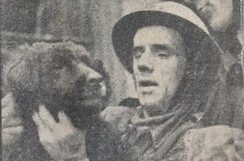
Animals in WWII
By David Gray: This is a look through scrapbooks compiled during WWII by people who loved animals. These stories and pictures tell of the bravery of the animals and their owners. We also look at the ‘Pet Massacre’ of 1939. Document.
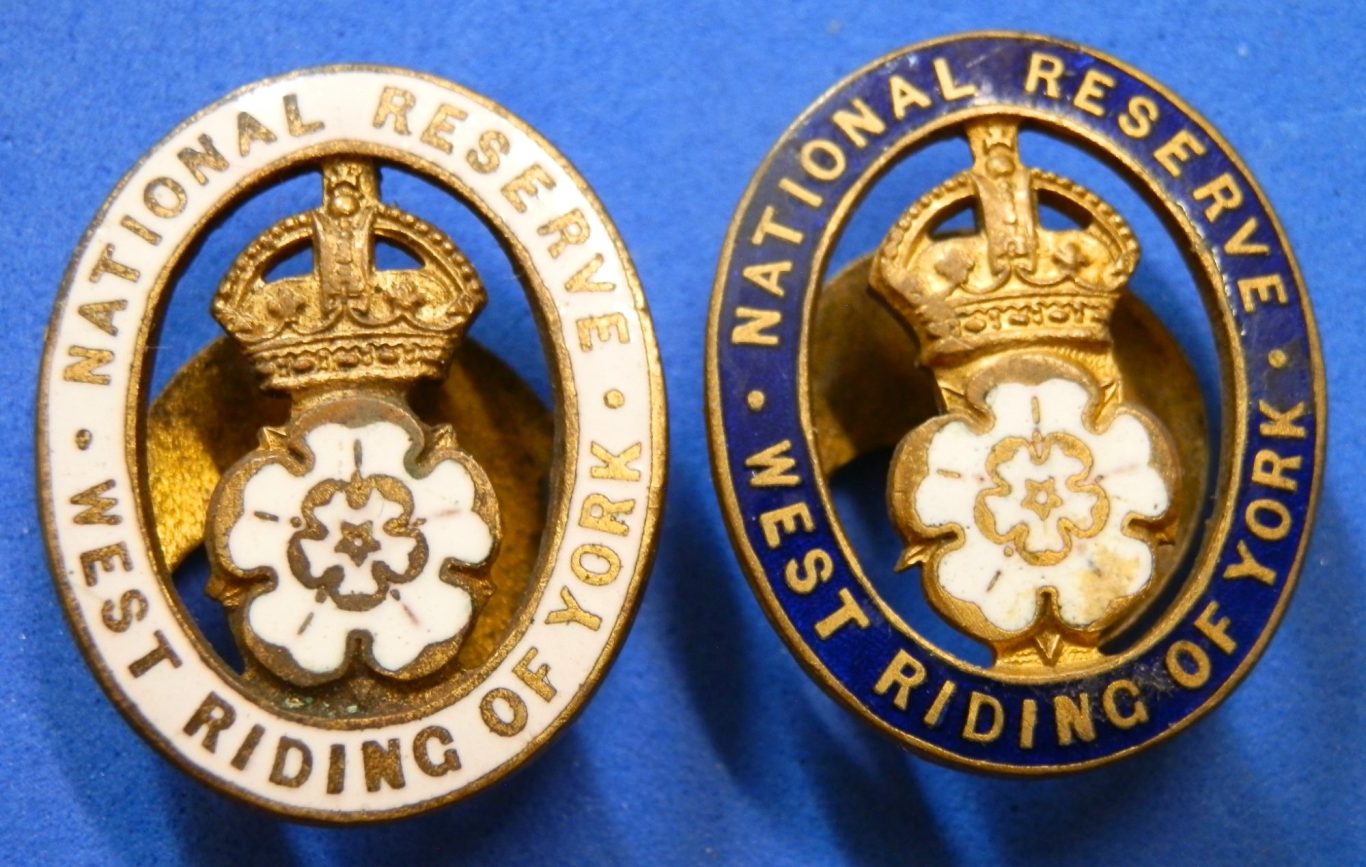
The National Reserve 1910-1918
By Simon Wilson: the National Reserve was a register of trained men who had previously served in the British Army and were available for recall in case of national emergency. Their badges were the only “uniform” they had. Document.
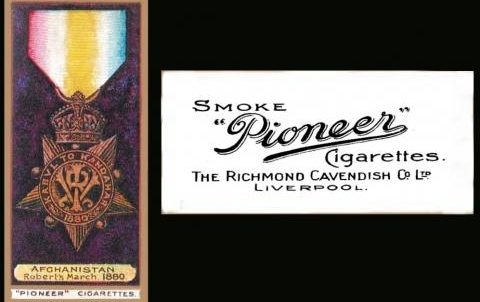
Old Medals - Thoughts from 1904
By David Gray: This is an article published in 1904 I found it loose in a book and it is dated 2/11/04. It is a fascinating glimpse into the lives of medal collectors and dealers in those times. If you are interested in medals, I am sure you will really enjoy this. Document.
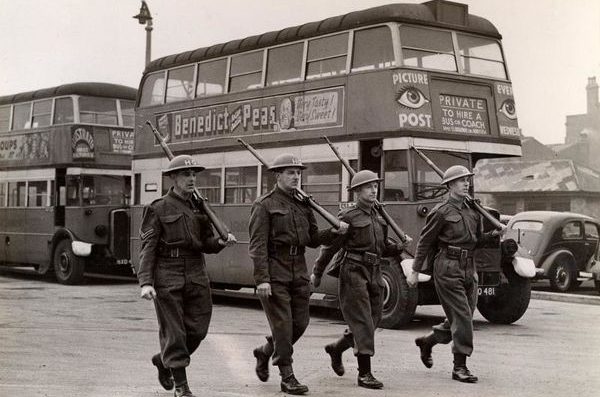
London Buses in the Blitz
By David Gray: Browsing through some Second World War scrapbooks recently I noticed how many pictures there were of London, double-decker buses, in various stages of destruction from the effects of bombing raids during the ‘Blitz’.Document.
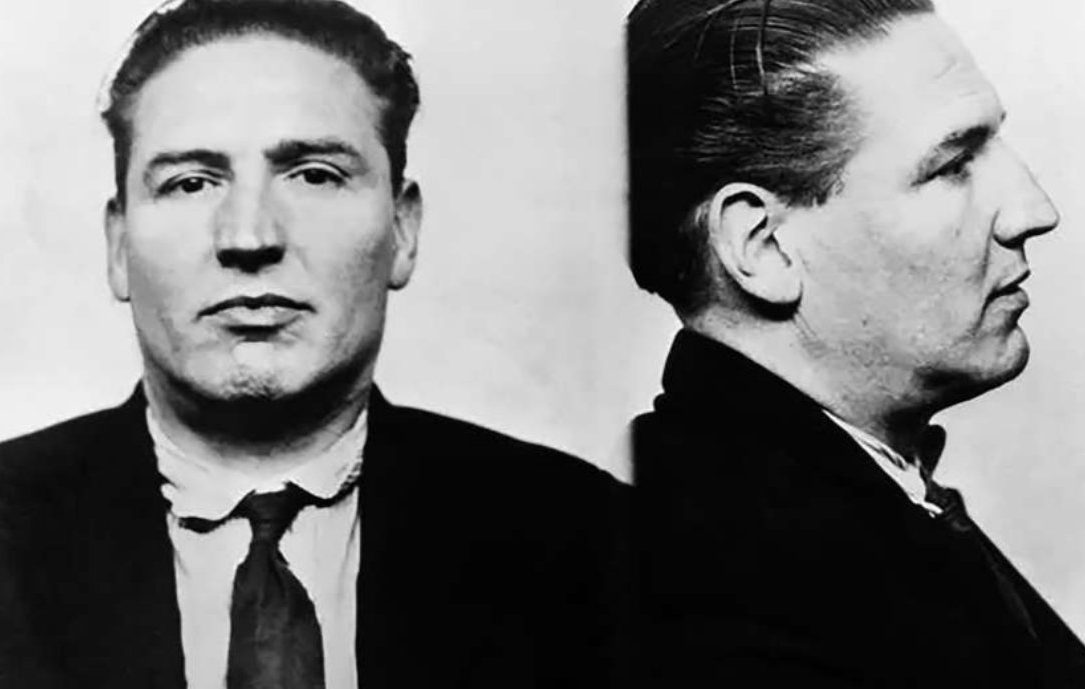
Deserters in WWII
By David Gray: During WWII, U.S. and British servicemen deserted to make money, stealing and selling the military supplies their comrades needed to survive. Allied deserters ran the black-market economies of Naples, Rome and Paris. Document.
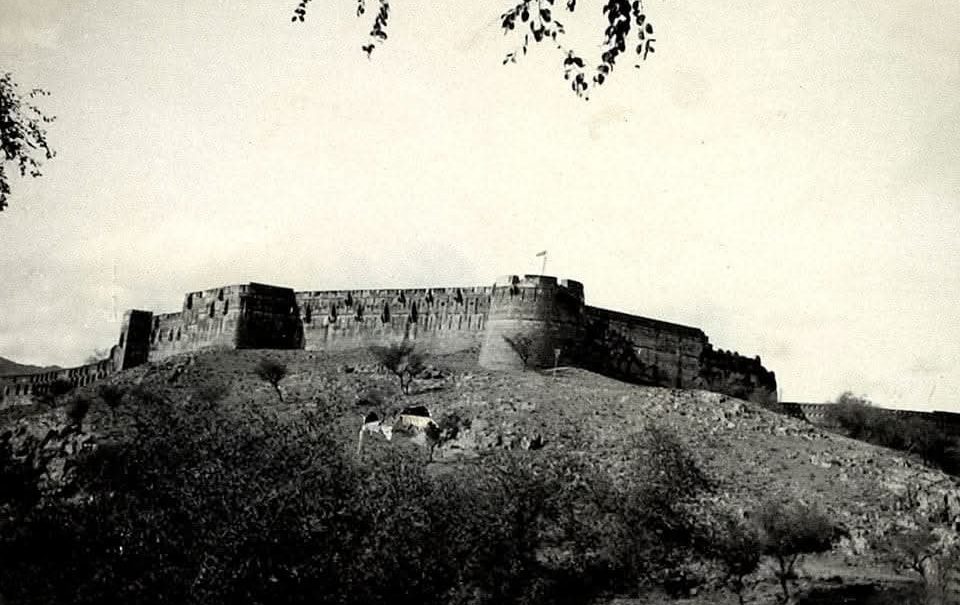
Attock Fort
By David Gray: Inspired by a bronze plaque in Glasgow Cathedral which commemorates the men of The Cameronians, and their wives and children, who died during a tour of duty in India and later South Africa, between 1895 and 1912. Document.
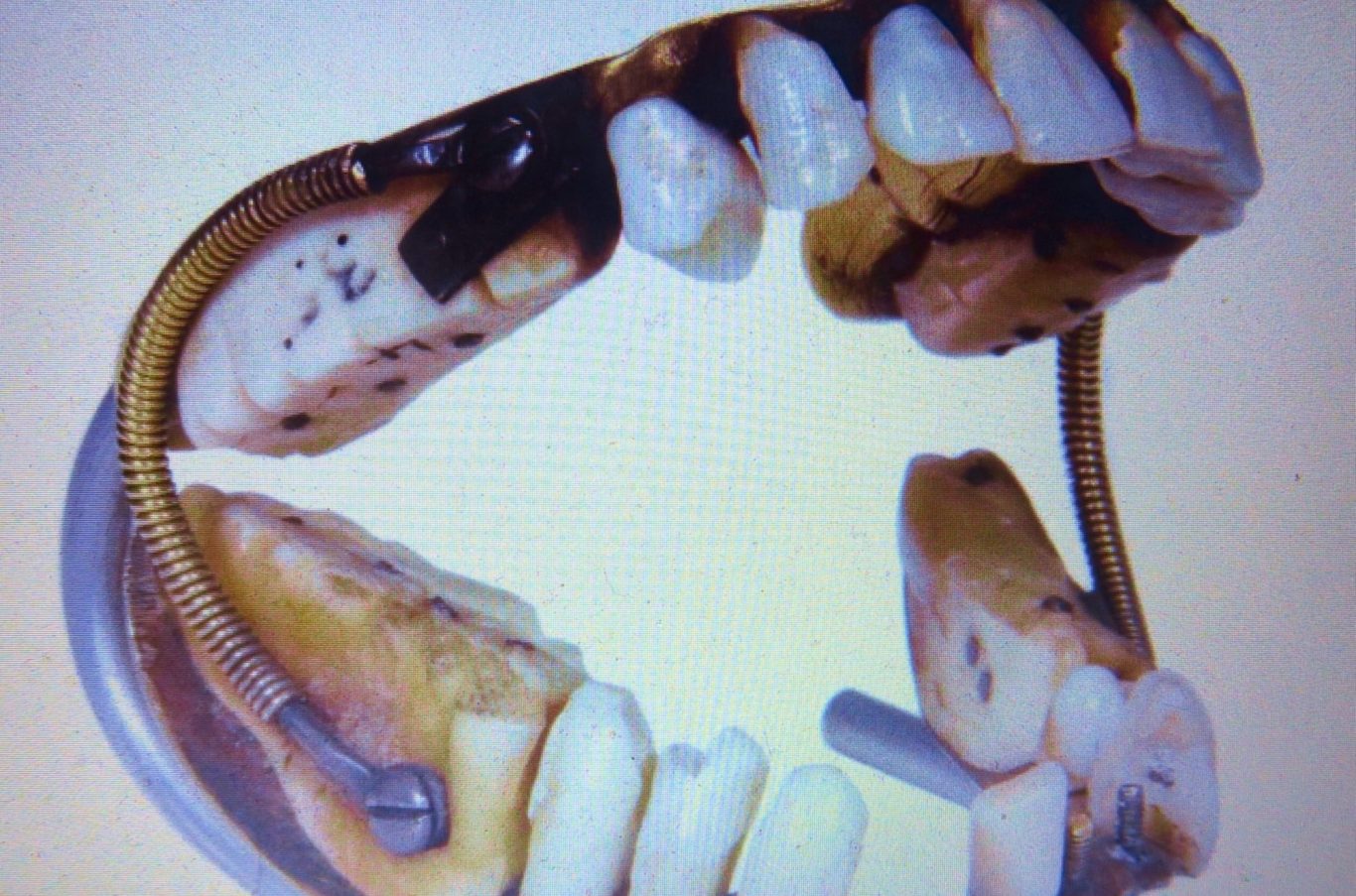
Waterloo Teeth
By Simon Wilson: It was a marketing master-stroke (after Waterloo). Suddenly, the general run of nondescript teeth was transformed into Waterloo Teeth. You could smile into your shaving mirror and the teeth of heroes would smile back. Document.
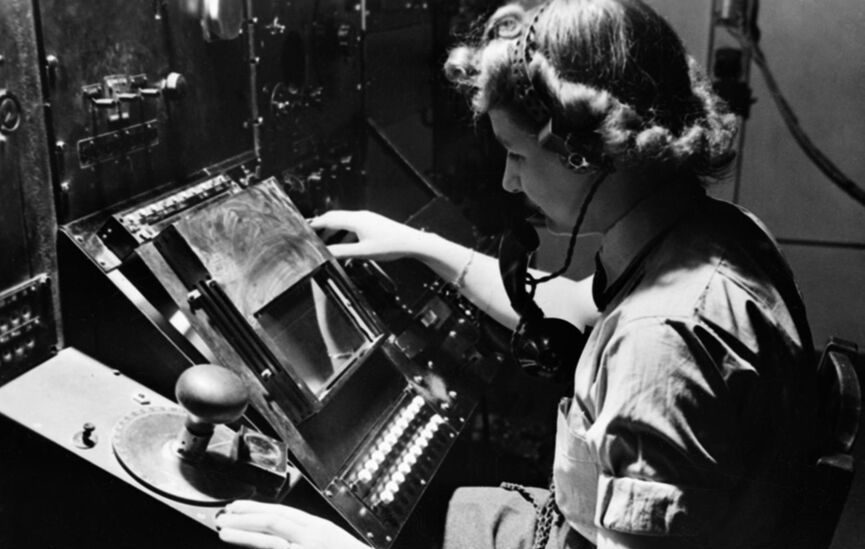
Radar - A War Winning Invention
By David Gray: Radar was entirely a British achievement, it provided a precise method of detecting objects up to 400 miles away. It was adapted to many different purposes, and has changed methods of war on land, at sea and in the air. Document.
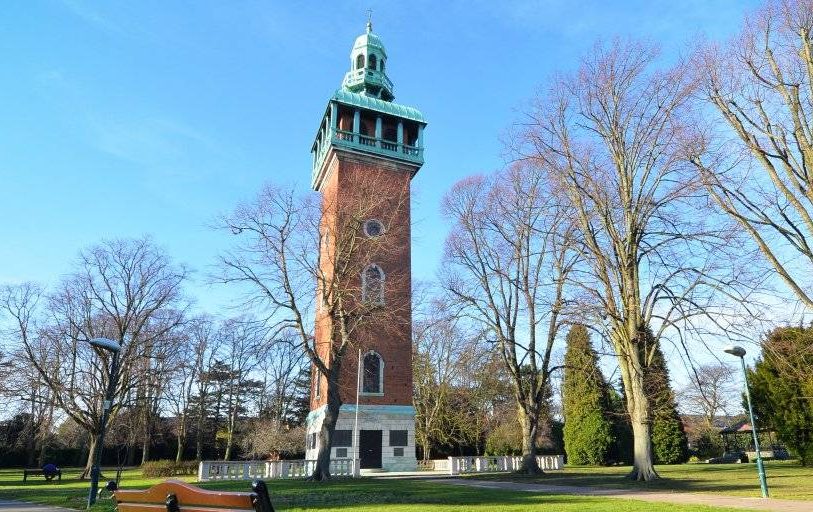
The Loughborough Carillon
By Simon Wilson: The Carillon tower houses not only the bells, but a military museum, and plaques bearing the names of the 478 men from the town who died in the Great War. Further plaques have been added with names from later wars. Document.
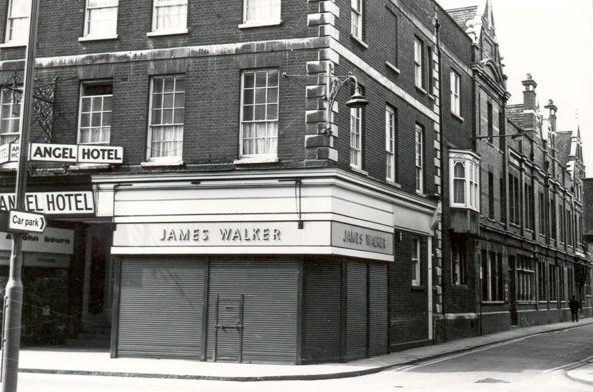
Peterborough Rotary in WWII
By David Gray: A fascinating insight into the efforts of the Peterborough Rotary Club’s contribution to the war effort. Most of the information comes from a ‘Minute Book’, in which the meetings of the Club were recorded from 1942 to 1948. Document.

Nettles - Unlikely Munition of War
By Simon Wilson: At Donington, reported the Spalding Guardian (17 July 1942) Mrs Taylor (W.I. President) thanked all concerned in collecting 37lbs of nettles, including the scouts, who contributed 10lbs of leaves already stripped from the stalks. Document.
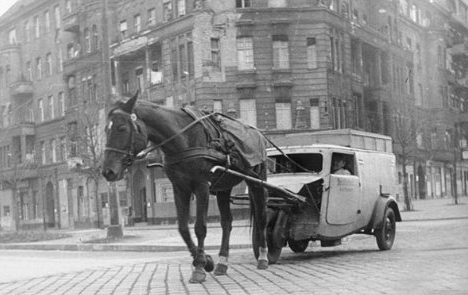
The First Year - Germany 1946
By David Gray: Hostilities in Europe ended with the surrender of the Germans at Rheims. Victory had been achieved but the ultimate aim of the Allies; the establishment of a democratic and peaceful Germany was far from accomplished by 1946. Document.
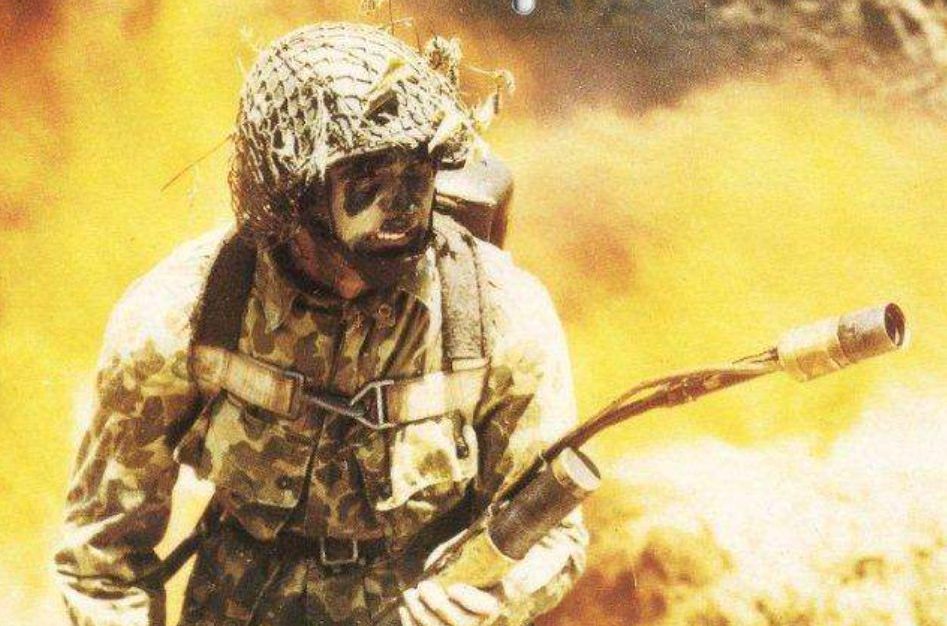
Camouflage Face Paint
By David Gray: Making every individual ‘camo up’ on a daily basis actually started as a post Vietnam reform. Not just in Vietnam but in past conflicts US Soldiers and Marines practiced horrible wartime camouflage practices (this is true to this day). Document.
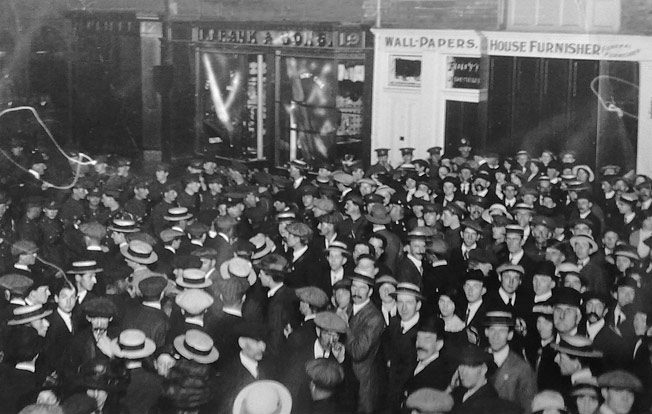
The Peterborough Riot 1914
By David Gray: Two weeks ago I wrote about Sir Richard Winfrey's role as Mayor in the Peterborough riot. To complete the story, this article deals with those who took part in the riot and their subsequent appearances before the courts. Document.
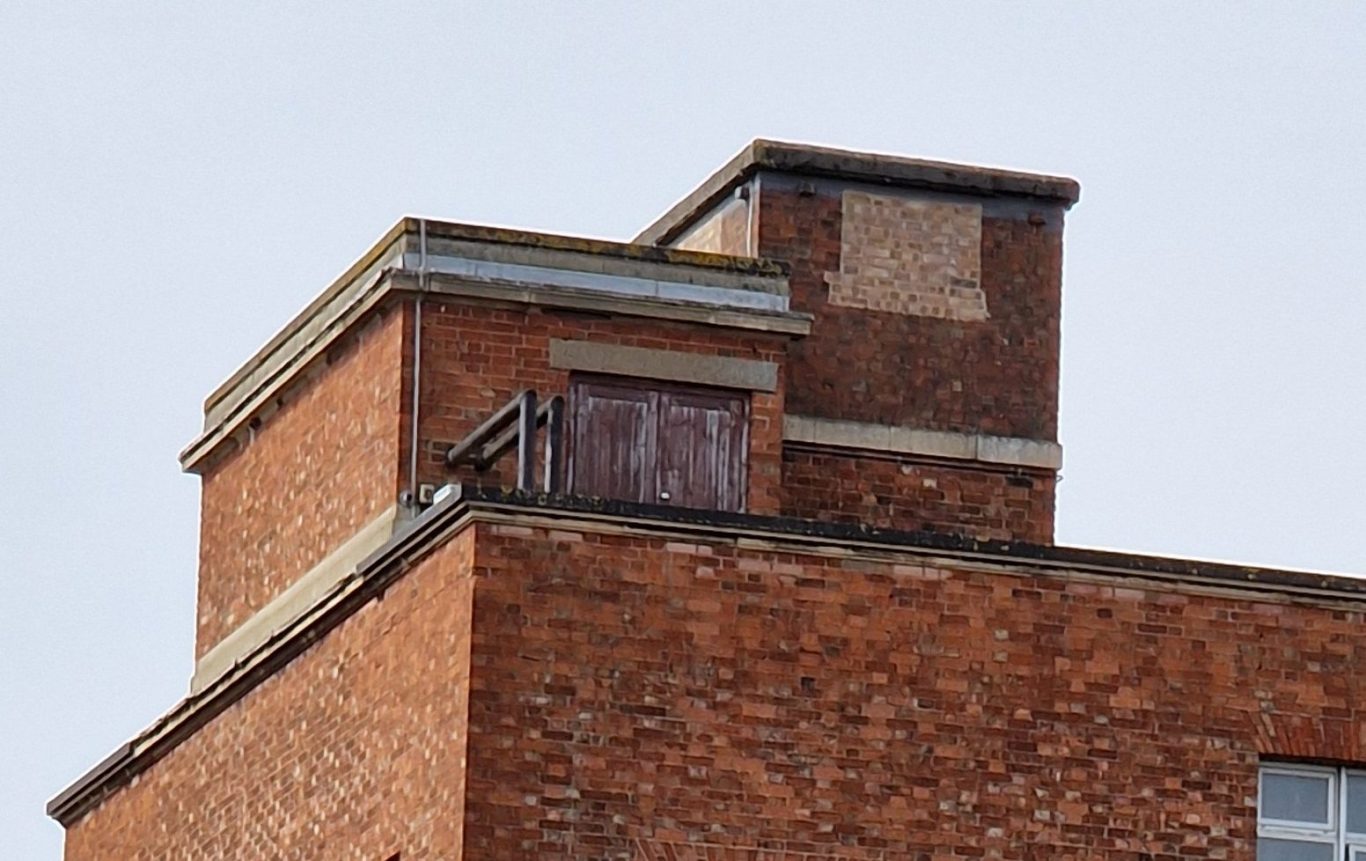
Fire Watching and the Blitz
By David Gray: I recently bought a scrapbook compiled in 1941 during WWII. It contained a number of leaflets and cuttings, a lot of them relating to Fire Watching and the Blitz. I have included those and also references to Peterborough. Document.
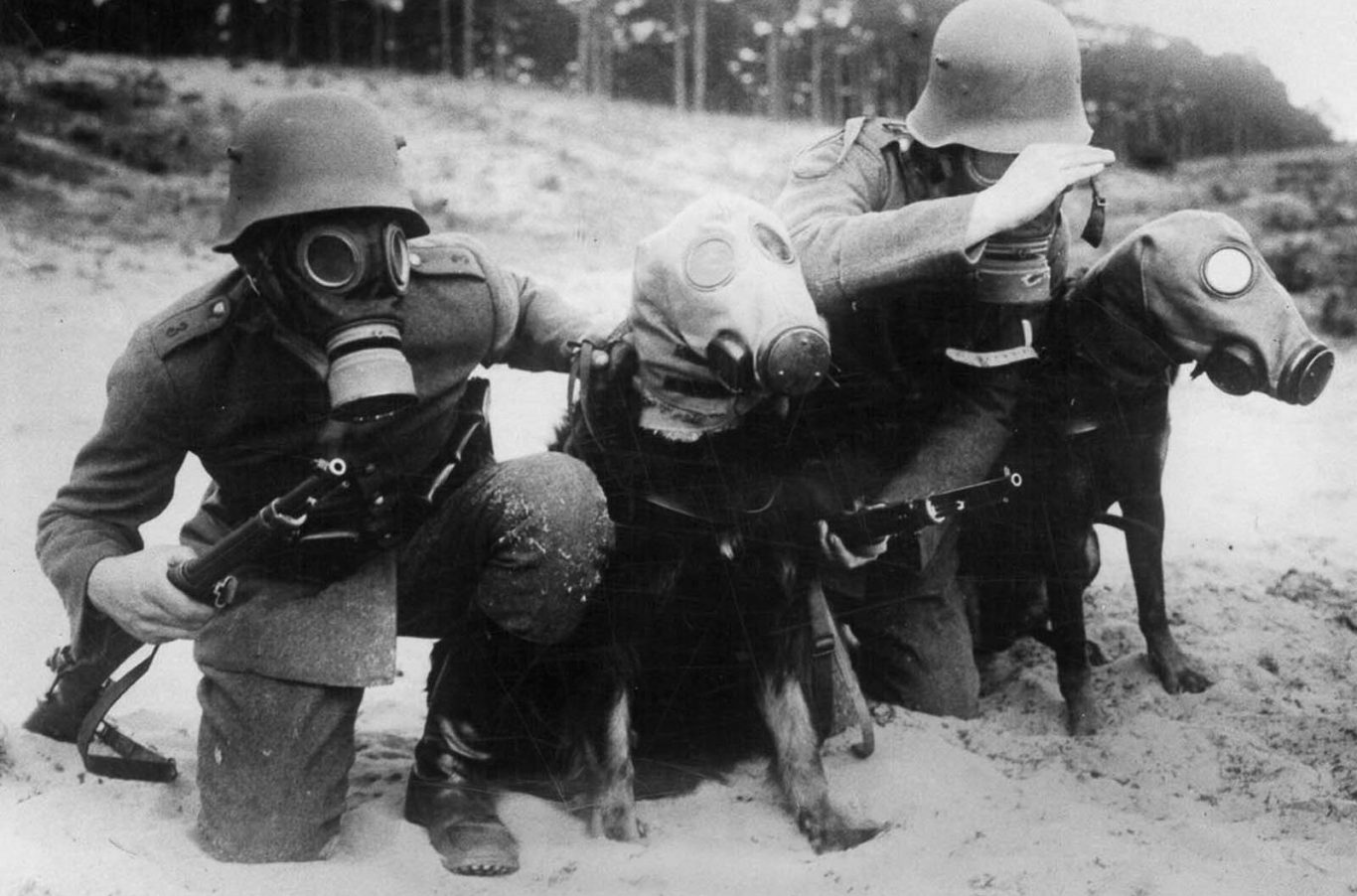
Gas Warfare in 1918
By David Gray: From the August 1914 edition of ‘Gas Warfare Monthly Summary of Information No. 14’, printed in France by the British Army Printing and Stationery Services, issued by the General Staff for official use only not to be taken beyond Brigade Headquarters. Document.
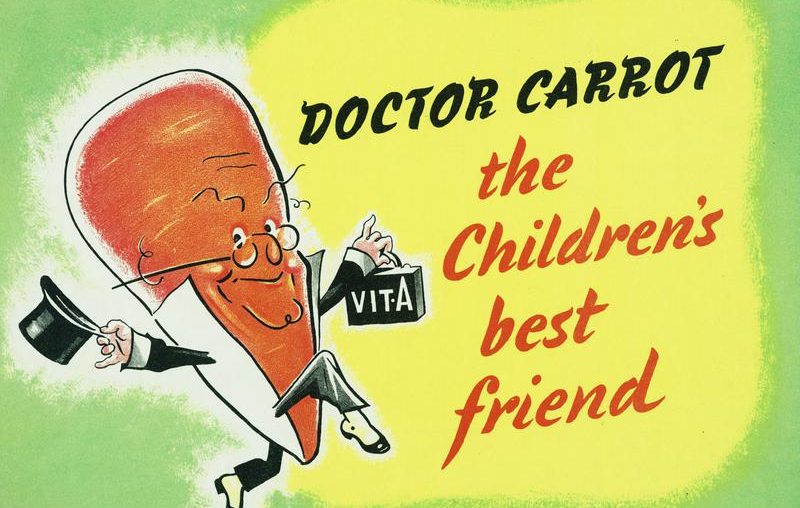
The Vegetable that Won the War
By Simon Wilson: In 1914 we imported 66% of our food. In April 1917, despite the limited capabilities of Great War U-Boats, we were reduced to six week's supply of wheat. We weren't any better in 1939, with 70% of our food coming from abroad. Document.
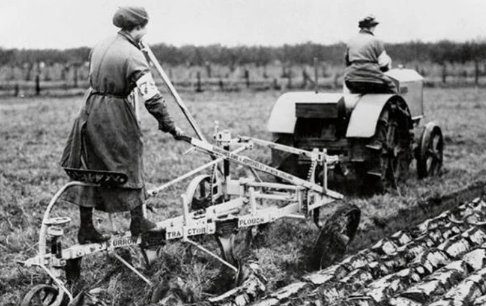
Sir Richard Winfrey Mayor 1914
By David Gray: Sir Richard Winfrey was Mayor of Peterborough in 1914 when WWI broke out. This is the story of Sir Richard’s activities during WWI. These details are fascinating and cover aspects of the war that we very rarely hear about. Document.
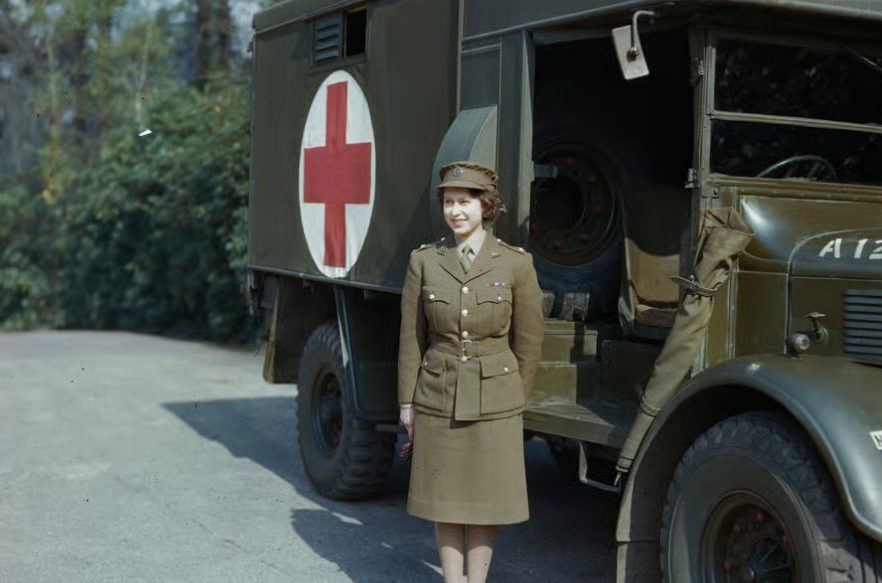
Women of Britain in WWII
By David Gray: This is the story of how the Women of Britain made their contribution to the Forces and the Home Front during the WWII. This includes the process of how women were called-up to the Forces or ‘Directed’ to war work. Document.
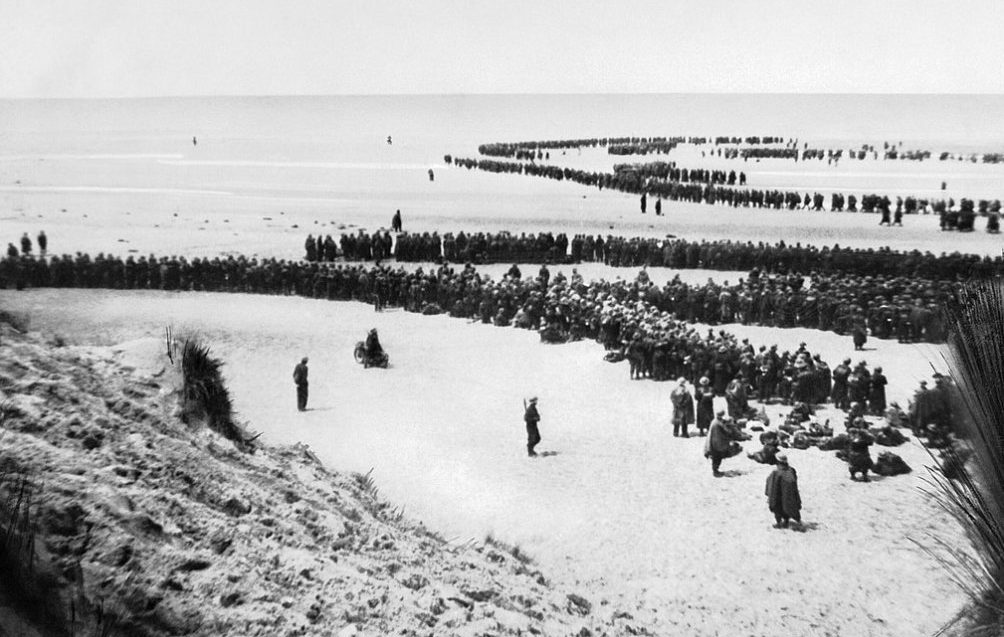
Was Dunkirk Necessary?
By David Gray: Would it have seriously altered the outcome of WWII if Britain had failed to evacuate her troops from Dunkirk? Would the course of the war have changed in 1940 if those British troops had not been rescued from the beaches? Document.
A Cigarette Case with a Story
By Simon Wilson: It’s just a cigarette case, made in Birmingham in 1921 and later repurposed for a presentation. A couple of years ago with the help of the internet, I did manage to unlock a story relating to the WWII inscription, though not one I was expecting. Document.
Children and National Savings
By David Gray: National Savings was an excellent way to get children involved with helping the war effort. Schools and parents encouraged children to start saving but sometimes these great efforts ended in tragedy through no one's fault. Document.
British - Soviet Relations in WWII
By David Gray: A fascinating look at the changing British attitudes, both of politicians and the press, towards Russia during WWII; and how easily loyalties were built up and knocked down according to how the wind blew at convenient moments in time. Document.
Resistance to Invasion in 1940
By David Gray: If the Germans had successfully invaded Britain, what would have happened to our empire? Nothing. There would have been no change. Would they have come across to liberate us? Of course not. In 1940 Britain STOOD ALONE. Document.
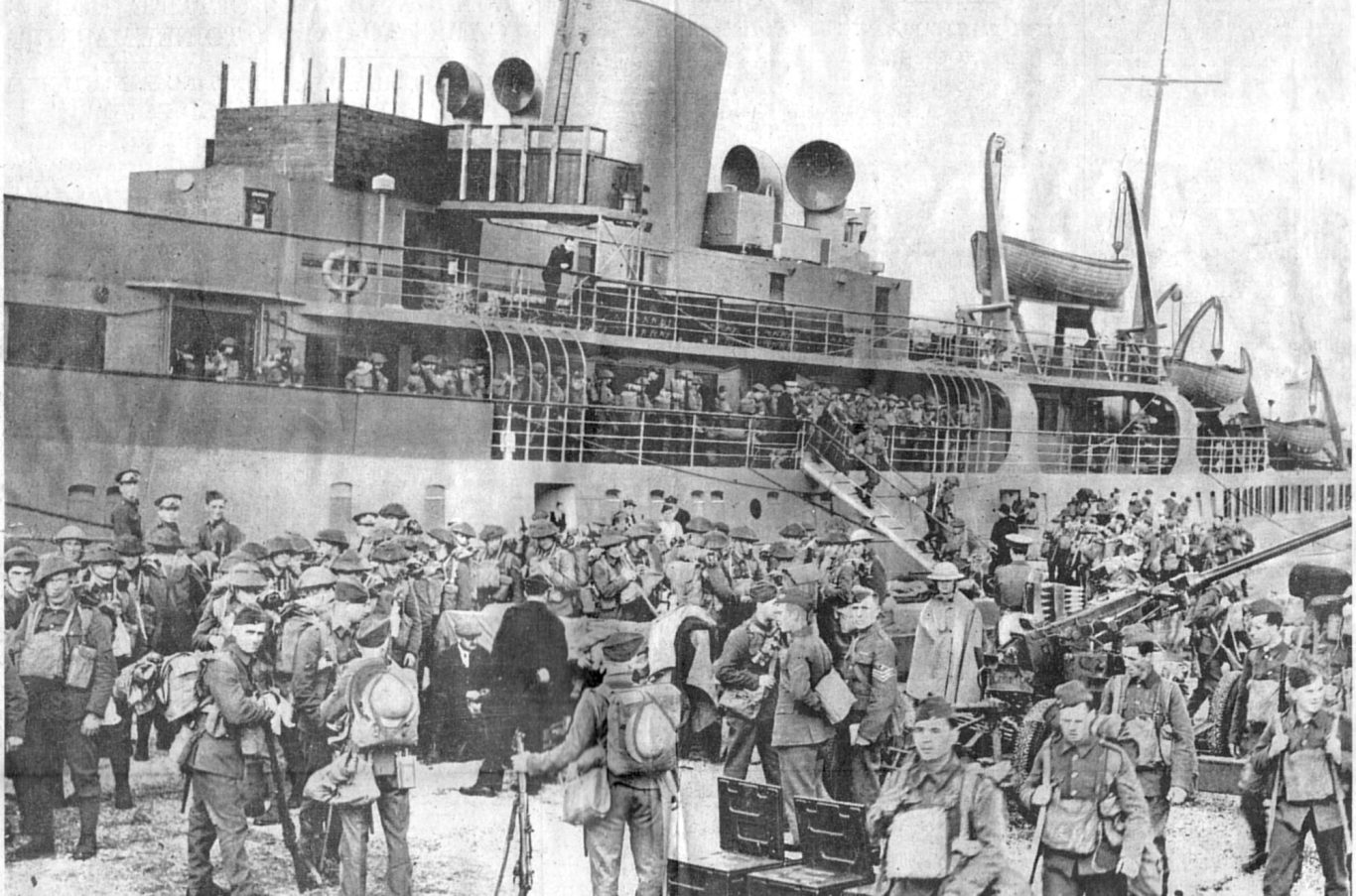
The British Empire and WWII
By David Gray: You might think that this is a bold statement; nevertheless, I believe it to be true: “Apart from Britain and its Empire, every other country that fought in WWII did so either to directly defend themselves from attack or to gain territory.” Document.
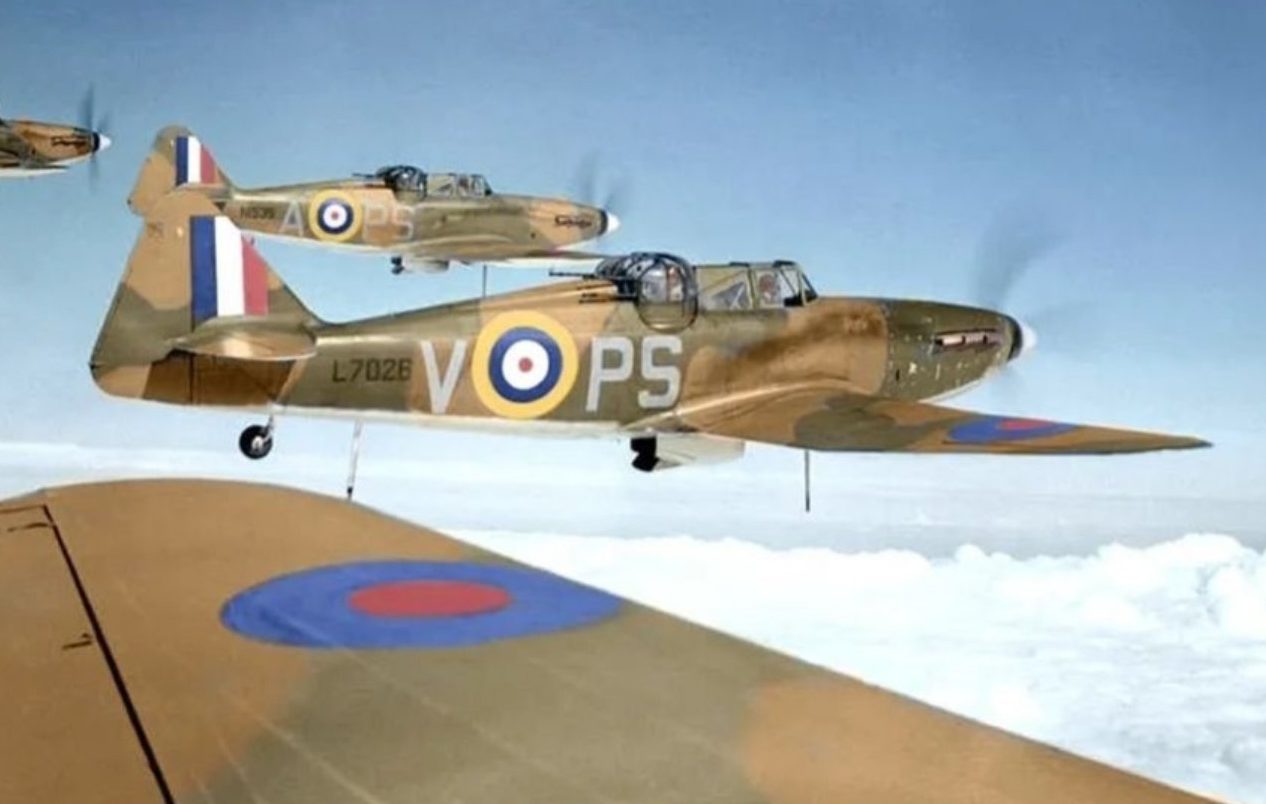
Death Comes to Wittering
By Simon Wilson: If I wrote a film script about a farmer who went to war in 1914, was decorated three times, met a King and became an air ace despite the loss of a leg, you would probably say it was a bit over the top. Well this is true! Document.
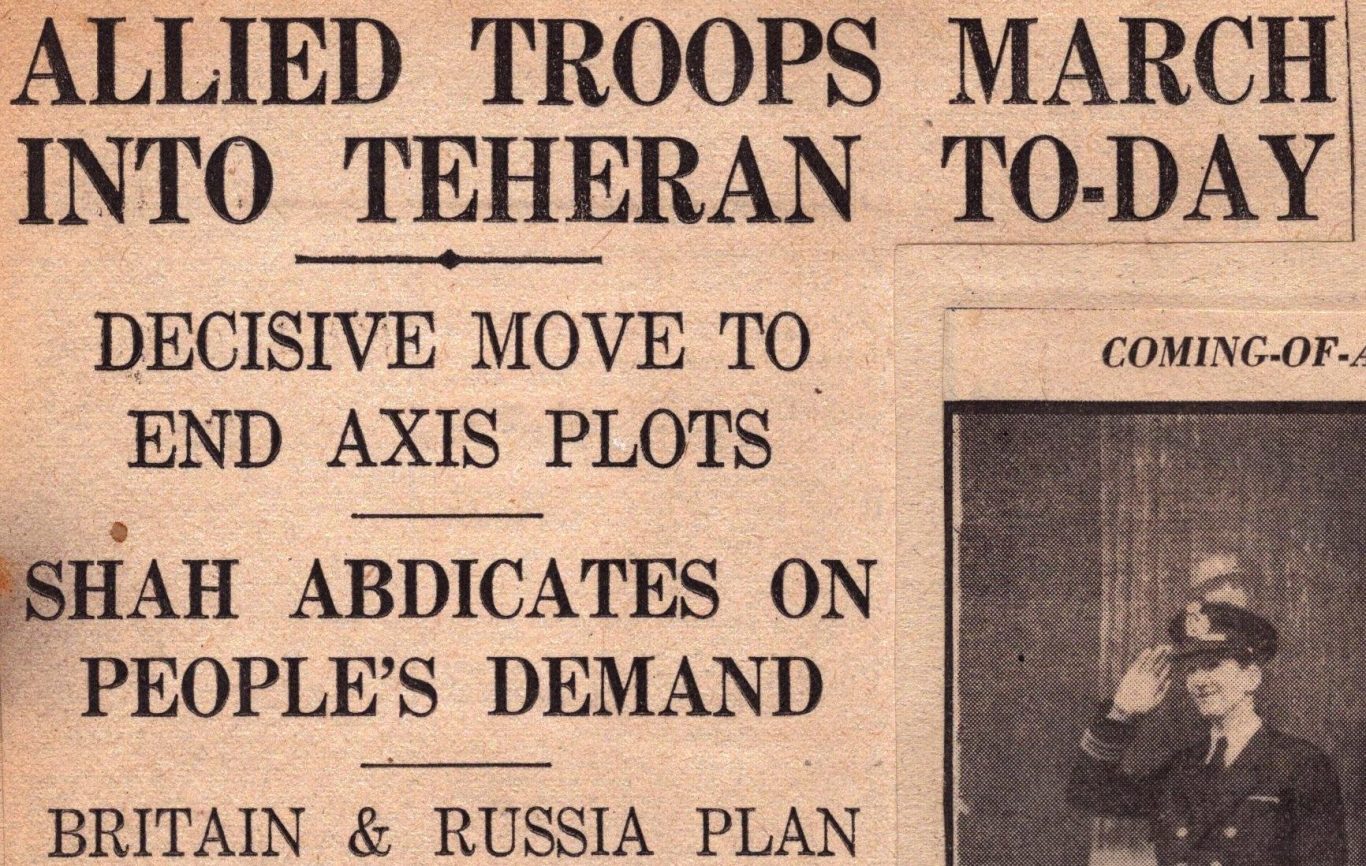
The Invasion of Iran in WWII
By David Gray: The Anglo-Soviet invasion of Iran was the joint invasion by the United Kingdom and the Soviet Union in August 1941. This created a safe route for weapons to be delivered to Russia from Britain and the United States. Document.
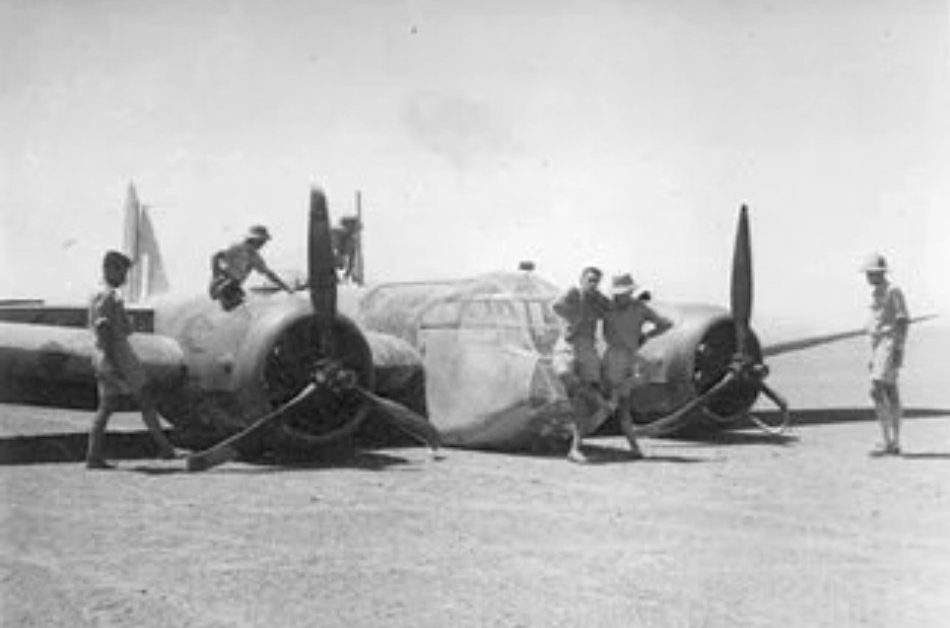
The Takoradi Route in WWII
By David Gray: This is the story of a continent-wide road, the ‘Takoradi Route’, which was cut through the jungles and deserts of Africa, mainly by British servicemen that carried the weapons used by the Allies to fight the war in the Middle East. Document.
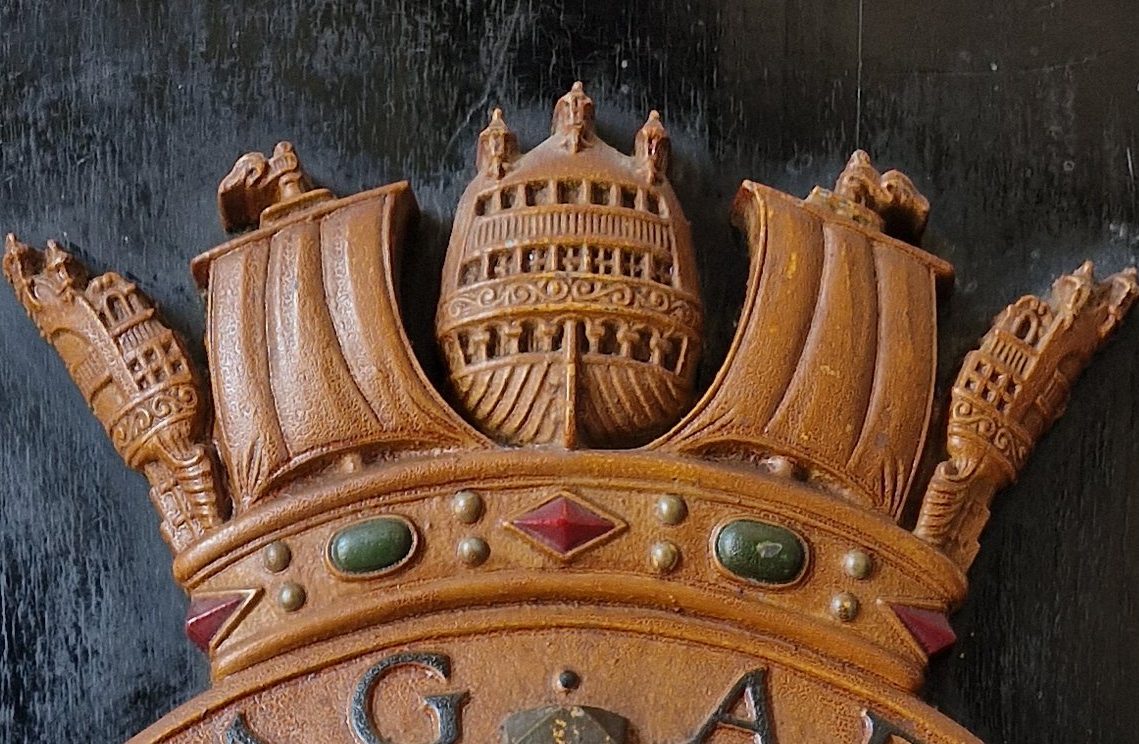
A Plaque for a WWII Submarine
By David Gray: This is the story of a purchase I made for my collection. It involves a plaque which was presented to an English town which had adopted a submarine and somehow this item had escaped onto the market allowing me to purchase it. Document.
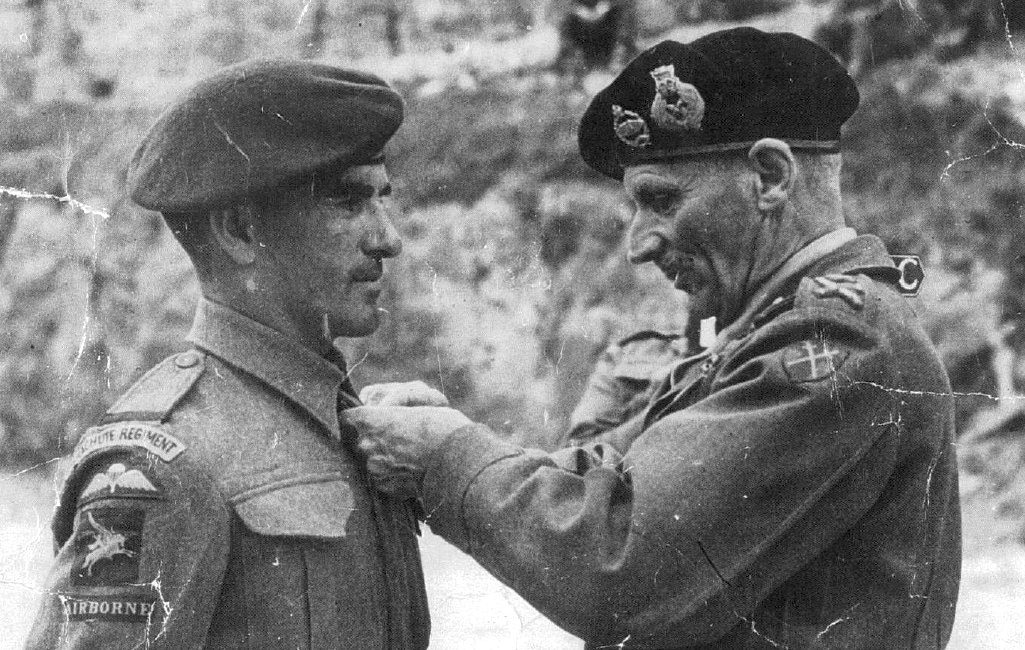
George William Johnson MM, MBE
By Roger Negus: Roger says, 'I am always on the lookout for World War Two military heroes from Peterborough so it was nice to discover George William Johnson who was decorated for his bravery in action. A veteran of the assault on Pegasus Bridge.' Document.
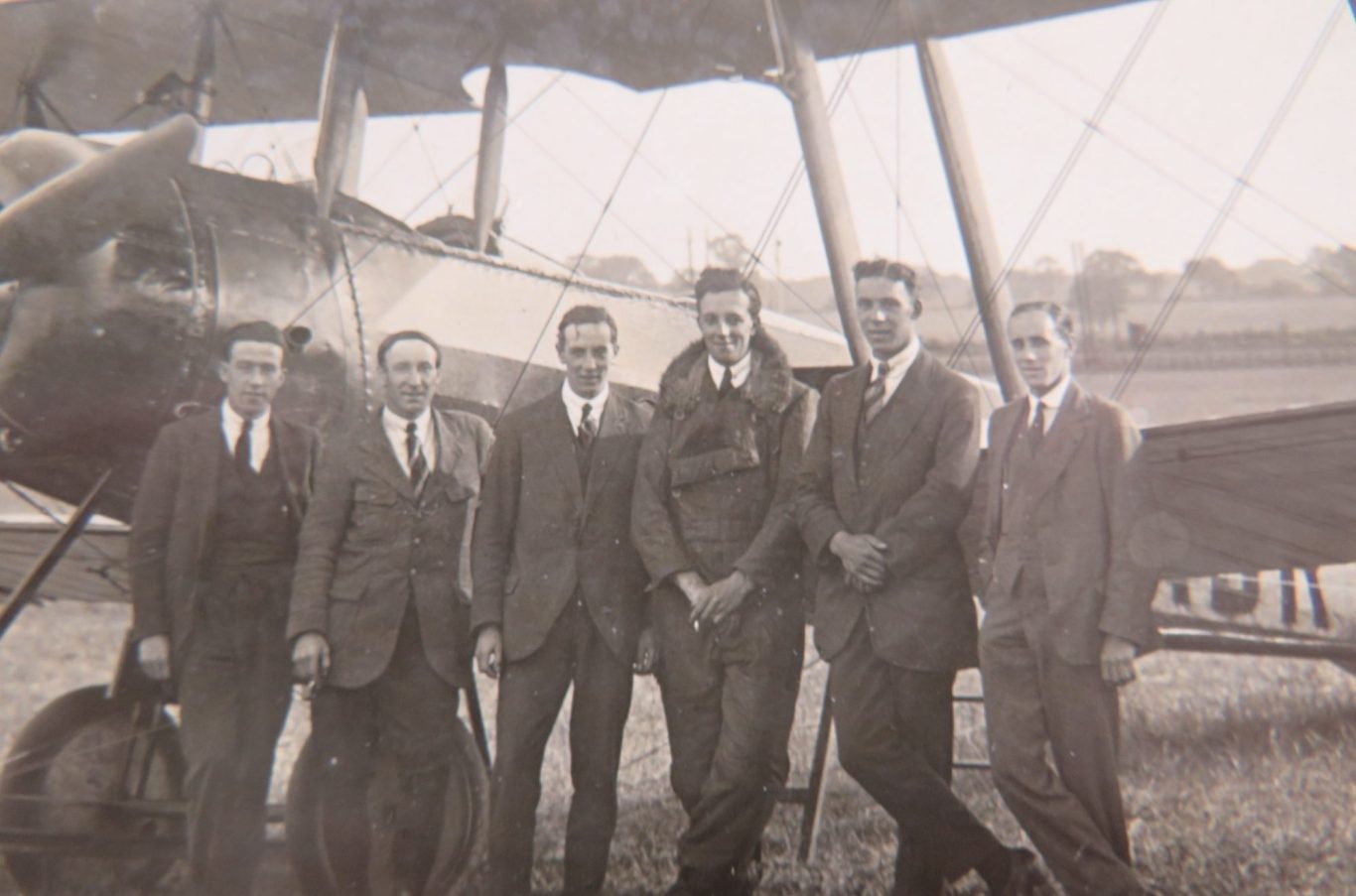
A Prank of Fate from 1920
By Simon Wilson: Most of the aircraft in the early post-war period were ex-military, as were most of the pilots. After an exciting time in the war many of them wanted to carry on flying in various capacities. Some ended with tragic circumstances. Document.
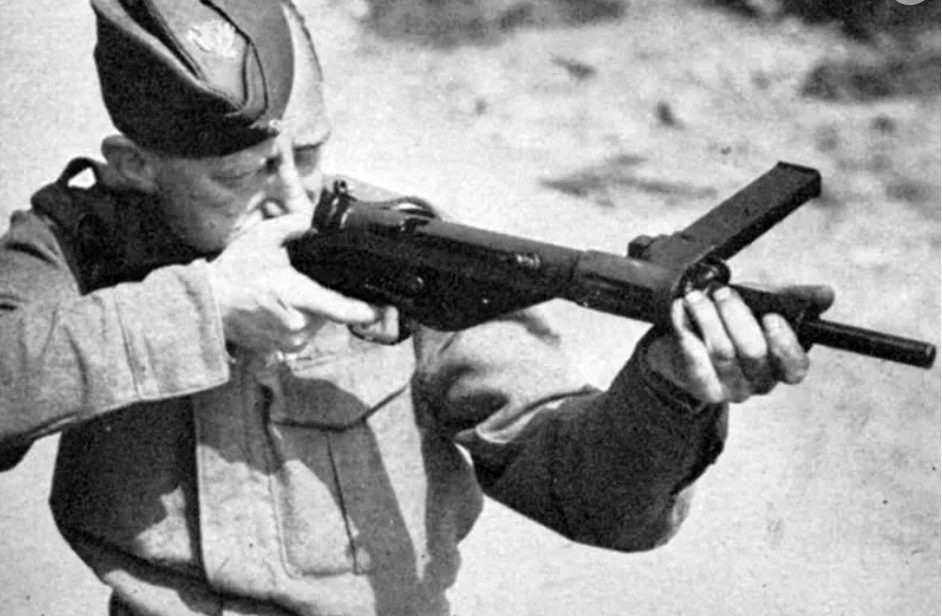
One Patrol in Normandy
By Andrew Flindall: This article 'More Sources than Heinz...Just One Patrol in Normandy.' Warns us to be careful what we wish for during our research. Multiple sources often contradict each other. And how do you choose between conflicting accounts? Document:
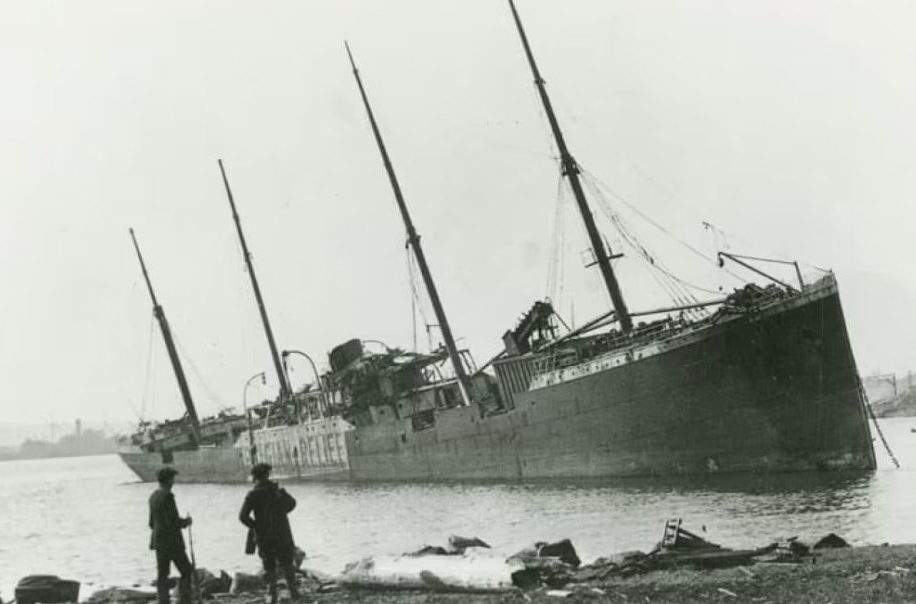
Munitions Ship Explodes in 1917
By David Gray: This is the story of such a huge disaster that it is amazing that most people have never heard of it. The town of Halifax, Nova Scotia, suffered a terrible ordeal in December 1917 when nearly 2,000 people were killed and 8,000 were injured. Document.
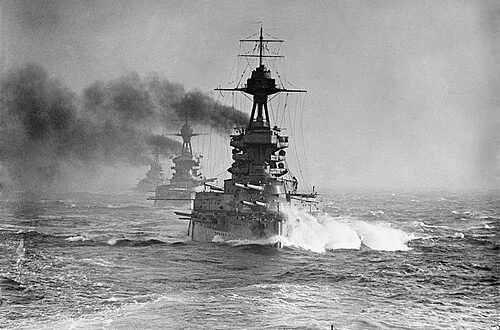
HMS Benbow Voyage to the Breakers
By David Gray: This is the sad story of the end of a Battleship. A grand old lady who fought at Jutland and helped Britain to 'Rule the Waves' until finally being broken up in 1931. This article tells the story of her final trip to the breaker's yard at Rosyth. Document.
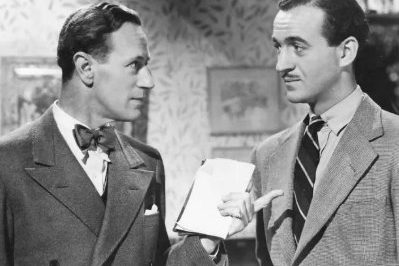
Leslie Howard, Actor and Patriot
By David Gray: On June 3rd 1943, the death of Leslie Howard was reported in the press. Howard, the film actor and director was among 17 people missing when a passenger plane was shot down by German aircraft on the way from Lisbon, Portugal, to Whitchurch, England. Document.
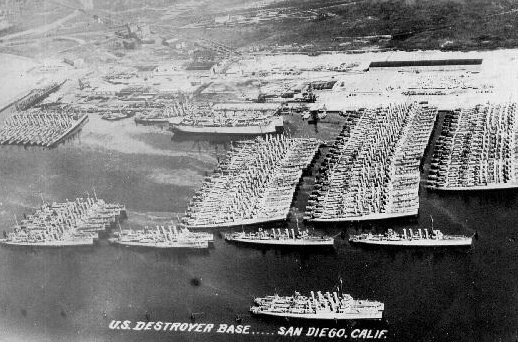
The Arsenal of Democracy
By David Gray: America called itself The Arsenal of Democracy at the beginning of the Second World War. This is the story of the U.S. Government’s struggle to get Lend Lease into law in the face of opposition; and what Britain supplied to America in return. Document.
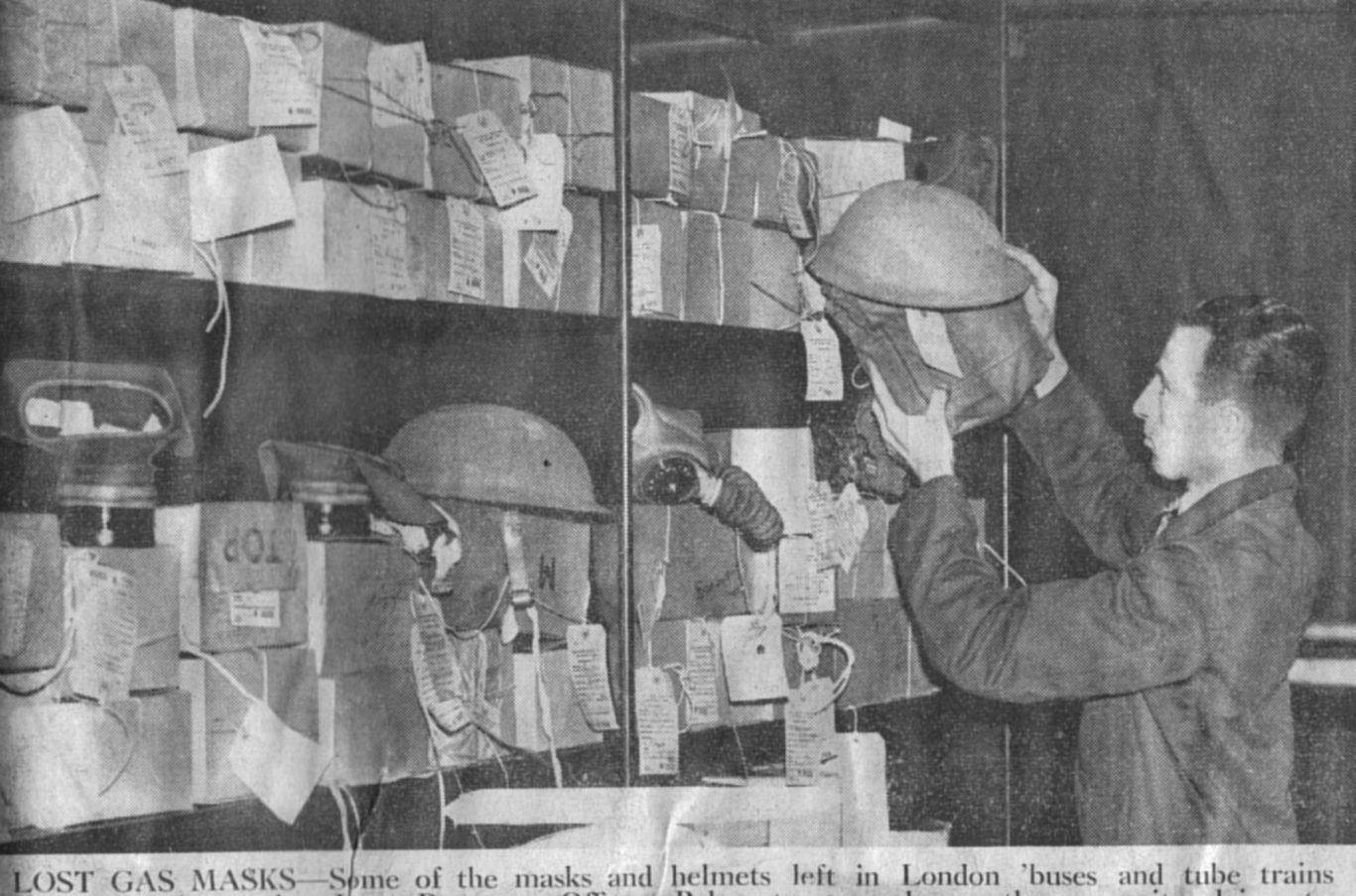
Munich and the A.R.P. Panic in 1938
By David Gray: This period of international crisis in 1938, certainly in Britain, focused the minds of civic leaders and local authorities on the importance of getting their Air Raid Precautions (A.R.P.) arrangements up to the standard required in case an impending war broke out. Document.
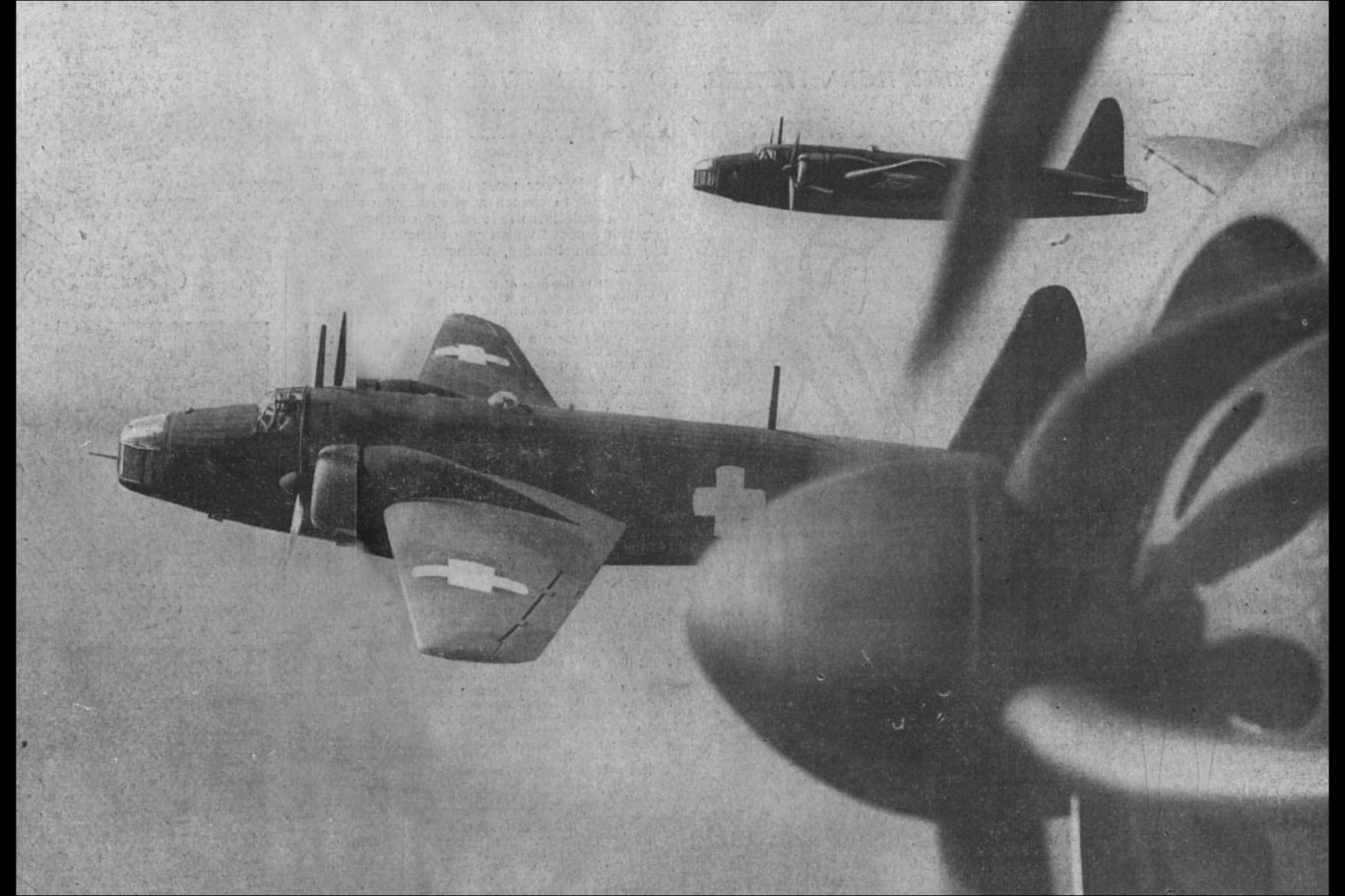
Air War Over Britain August 1939
By David Gray: On August 8th 1939 Britain staged a ‘Great Air Battle’ over the country to test the black-out and also the response of Britain’s defences. Considering the war would start less than a month later, this might be seen as a bit late to carry out this exercise. Document.
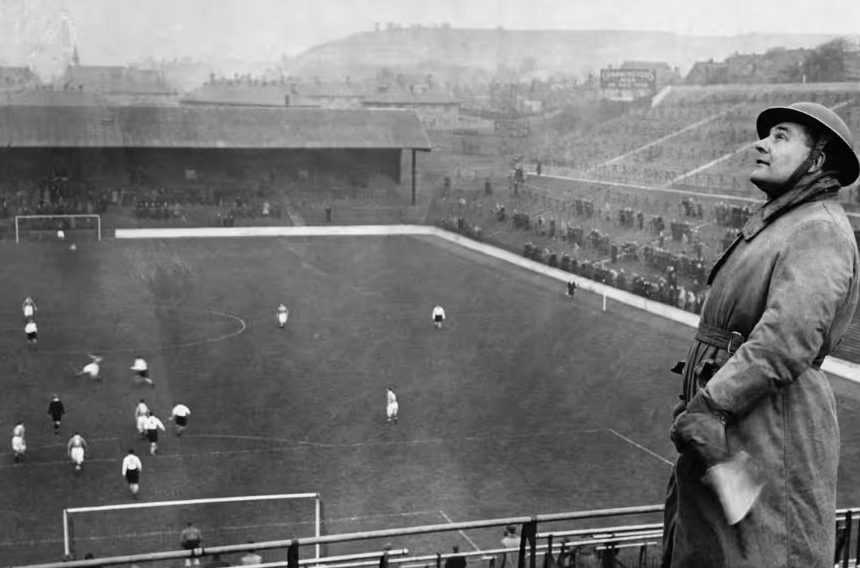
The Wartime League and POSH in WWII
By David Gray: This is the story of football's Wartime League, set up to maintain the sport during WWII. Along with this I have added details of Peterborough United's struggles, some financial, during that period and their efforts to survive in those difficult times. Document.
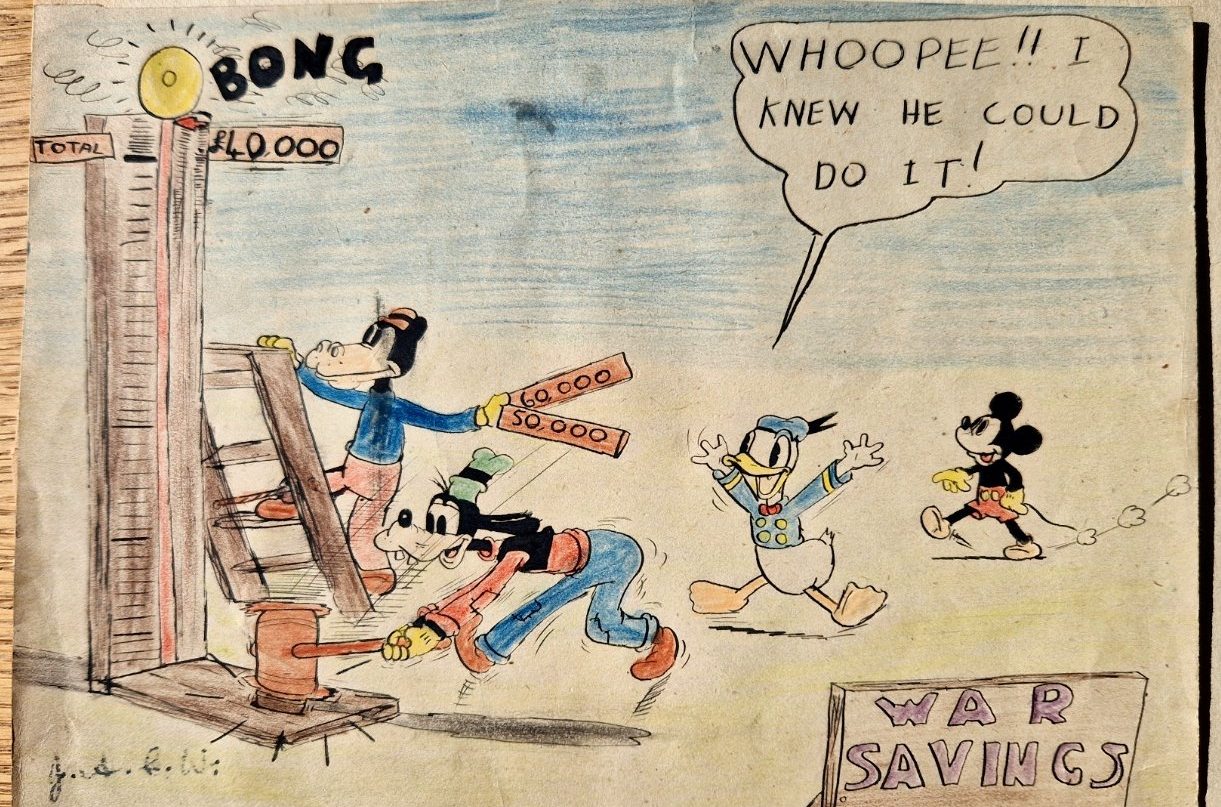
Hand Drawn Posters from WWII
By David Gray: There were various competitions during WWII in which members of the public were encouraged to design posters which carried a government message. These are examples from my collection that show how creative people were. Document.
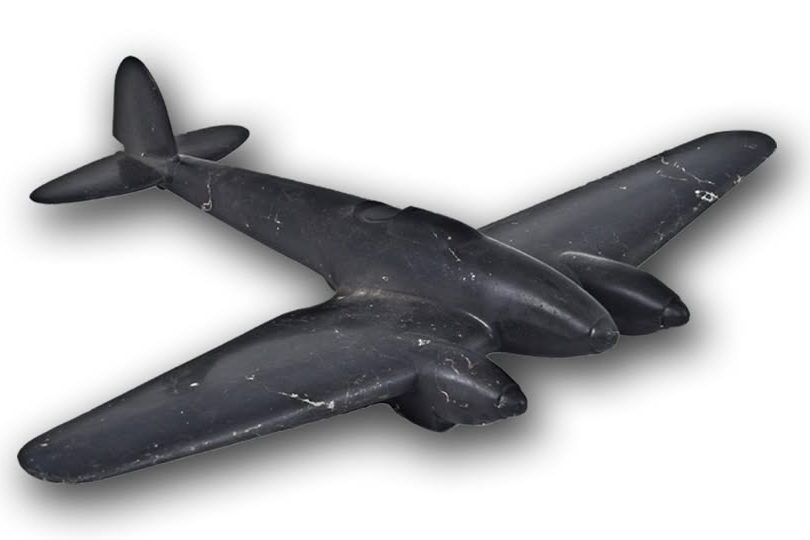
Wooden Aircraft Models of WWII
By David Gray: I recently bought a number of WWII aircraft model plans because I was interested in what people were doing in their spare time in WWII. This resulted in some research and I found a fascinating story. Modellers, please forgive any errors! Document.
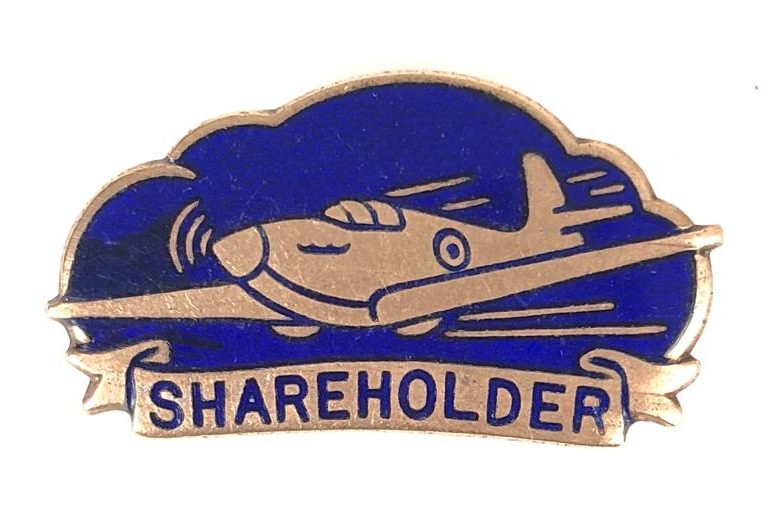
The Spitfire Fund 1940
By David Gray: The Spitfire Fund began almost by accident in 1940. It was not organised by government, but rather was born from a spontaneous outpouring of donations from people at home and around the world for the building of aircraft for the RAF. Document.
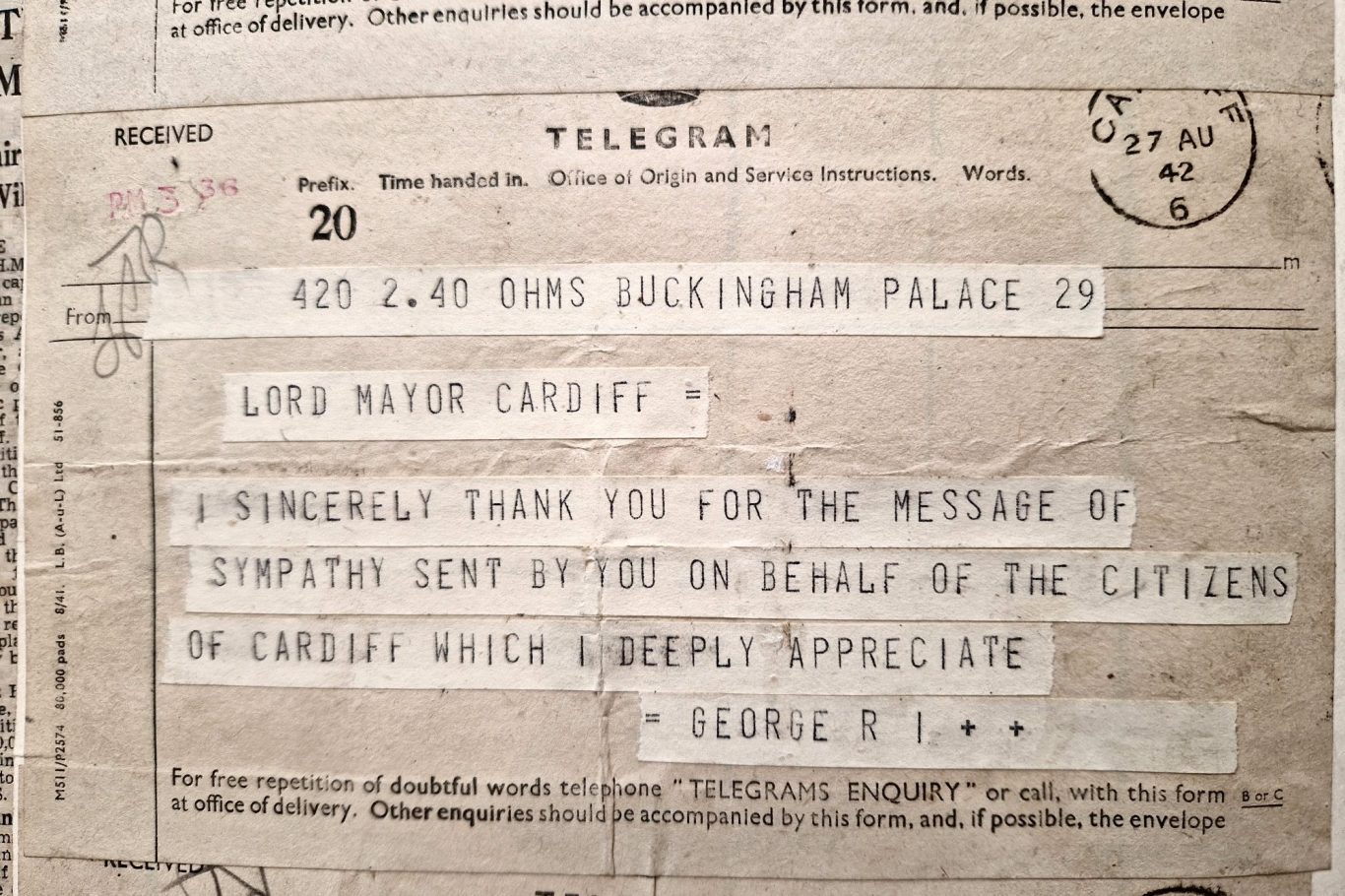
A Royal Connection from Cardiff in WWII
By David Gray: Sometimes we end up with more than we expect when we collect books and other items. I recently bought a scrapbook dating from 1942 to 1943 that belonged to the Lord Mayor of Cardiff and had no idea it would contain some Royal Connections. Document.
Buried at Sea
Private Alfred Wells
By Roger Negus & David Gray: Roger has in his possession a WWI death plaque along with some related information to a man from Pinchbeck. Private Wells, 2nd Leicestershire Regiment, died on board the hospital ship VITA in 1916. This is what we have been able to find out. Document.
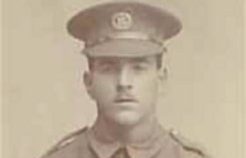
The Garfield Brothers in WWI
By Roger Negus: Roger has carried out research into of five brothers from Warmington, Roger's Great Uncles, who served during the First World War. One was killed in action and two were wounded. The story includes some great pictures. Document.
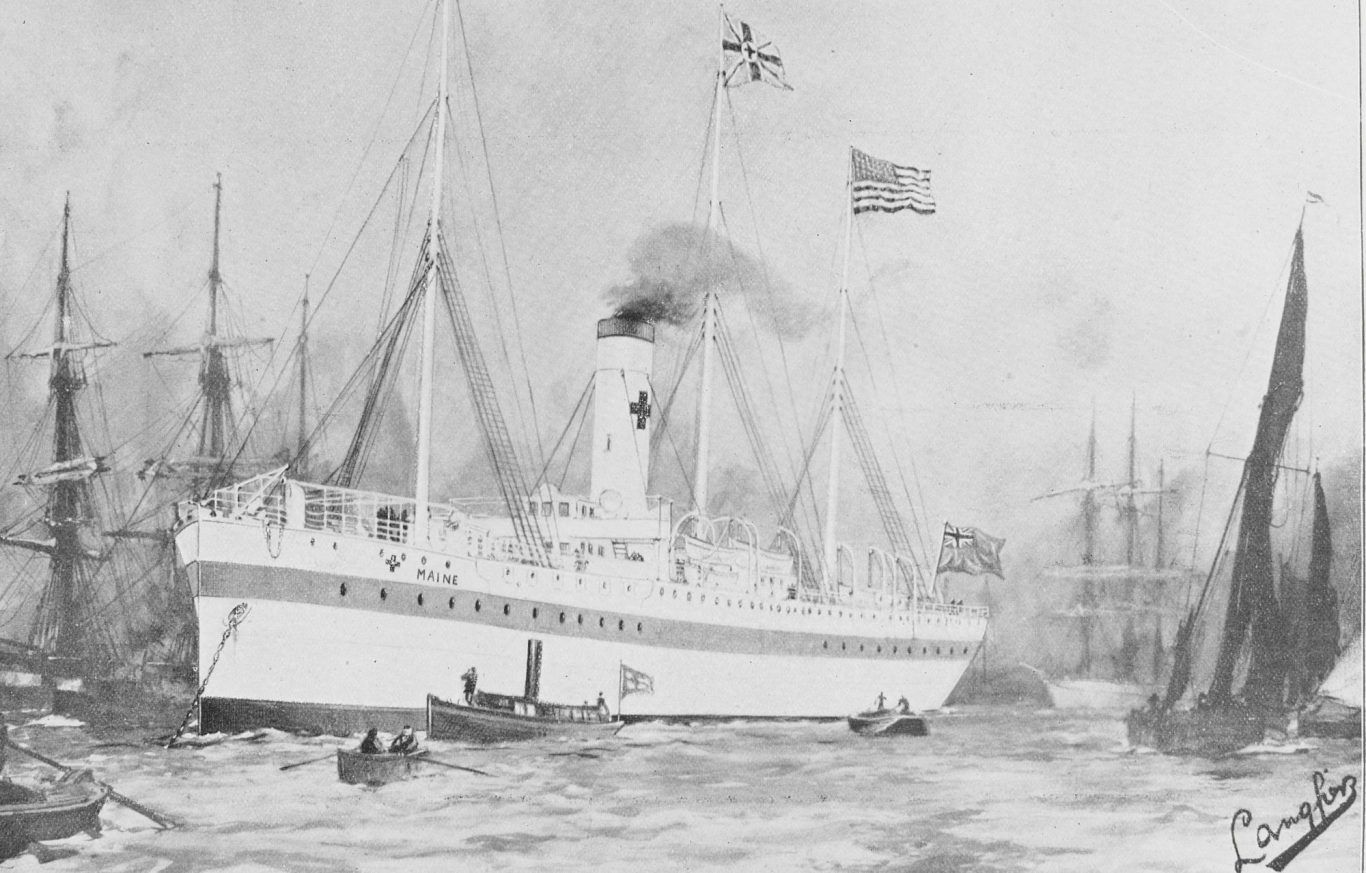
The Hospital Ship MAINE
By Simon Wilson: This story is about the Hospital Ship Maine, which was paid for through the fund-raising efforts of a group of American ladies. The ship carried soldiers who had been wounded during the Boer war and has a Peterborough connection. Document.
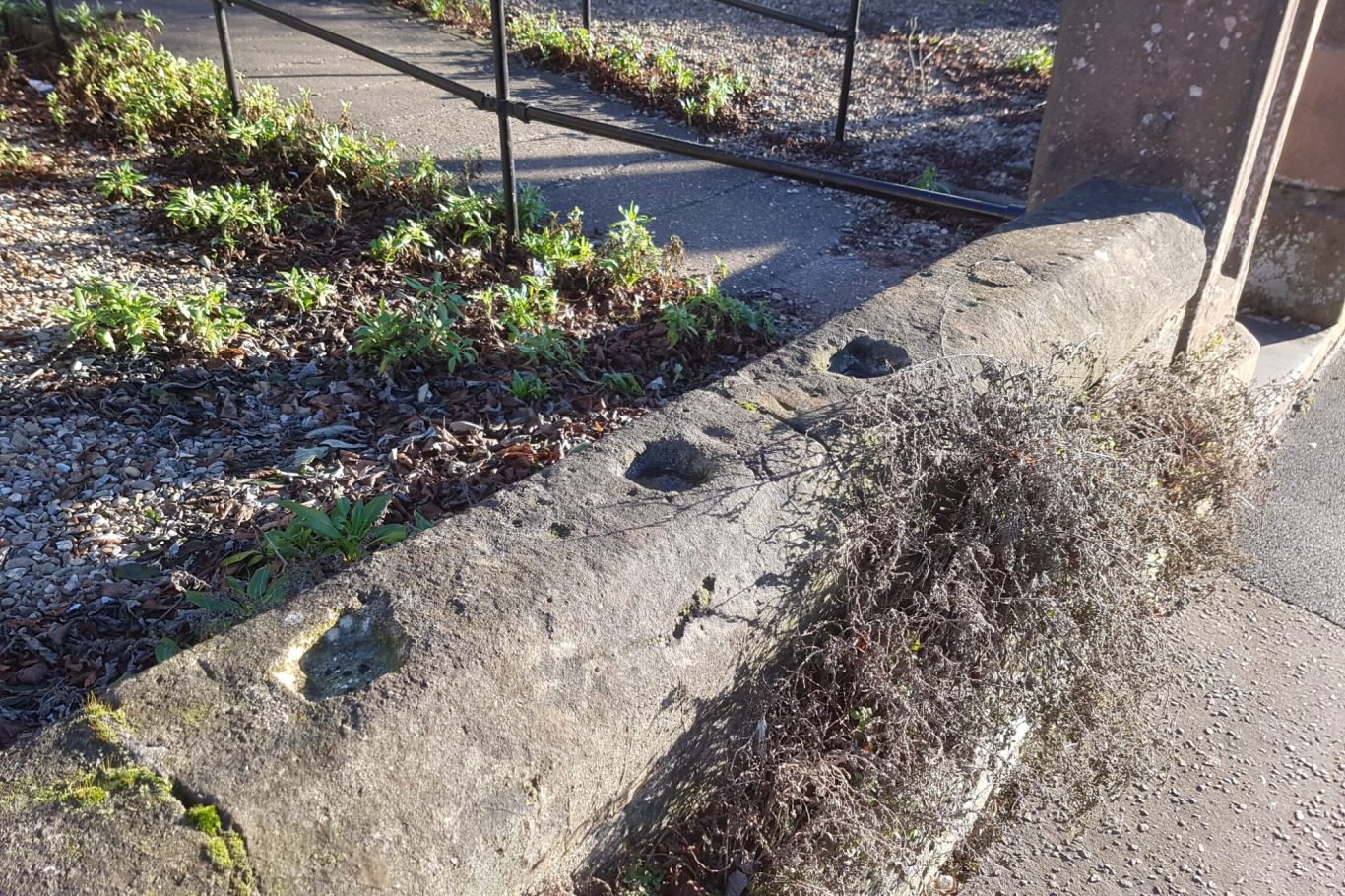
Removal of Railings Peterborough WWII
By David Gray: How the railings in Peterborough were removed for salvage during WWII. David has carried out a survey of numerous locations and added photographs showing where the evidence of removal still exists and can still be seen today. Document.
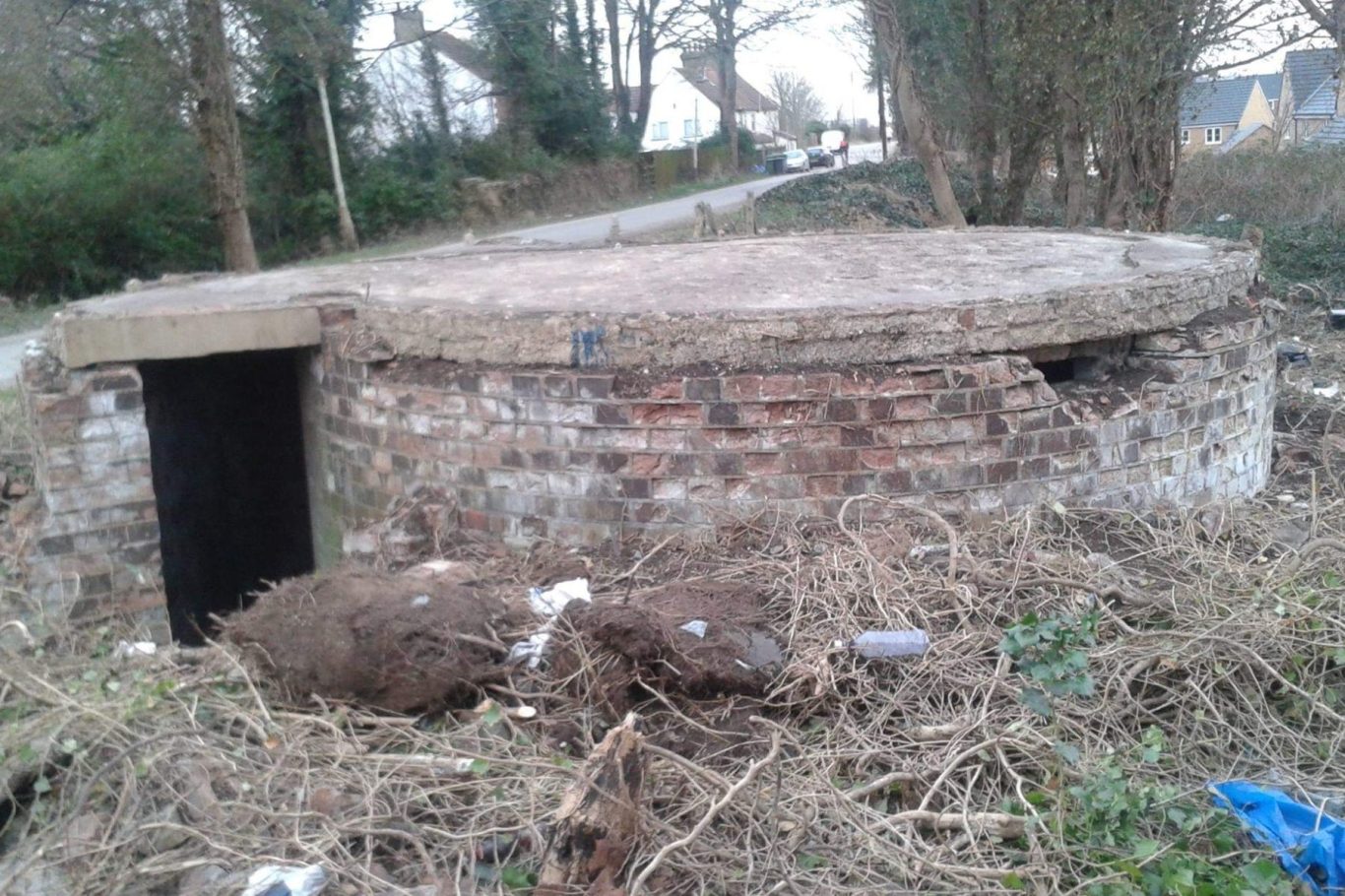
Discovery of WWII Civil Defence Post
By David Gray: A few years ago I came across a WWII 'shelter' on one of Peterborough's main roads which had previously been obscured by undergrowth. This is my research into what it was, and how I set out to try and get this rare building, Grade 2 Listed. Document.
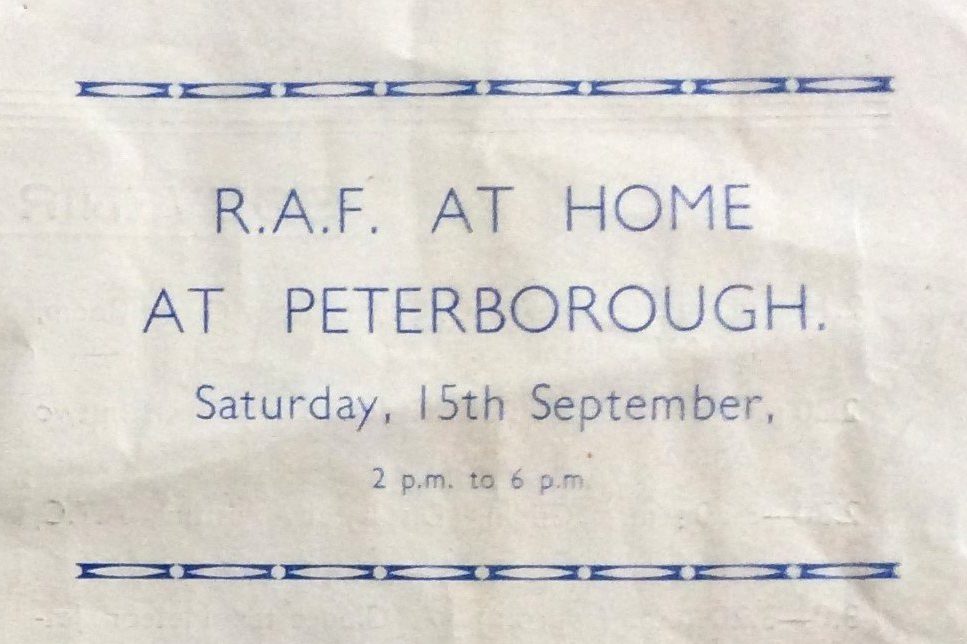
RAF Peterborough (Westwood)
By Roger Negus: Local civilians identified as being employed at RAF Peterborough in September 1939 through research in the 1939 Register. Roger will be continuing this research and will be updating this story as and when he discovers more information. Document.
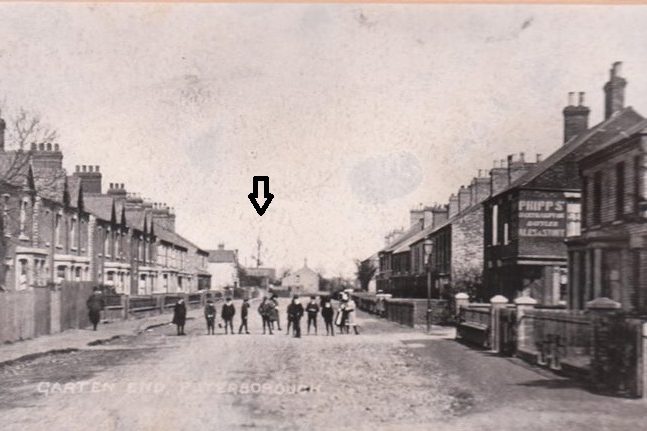
Peterborough's WWI Wireless Station
By David Gray: This is the story of Peterborough's long forgotten, mystery wireless station at Dogsthorpe. Its important contribution to the destruction of the Zeppelin menace in WWI, and how it helped with experiments in the atmosphere post war. Document.
Walter James Garfield
By Roger Negus: The story of a recipient of the Battle of Britain clasp - A tribute from his 1st cousin, once removed, who he never knew. Walter was captain of a Blenheim IV, Serial Number L9451, Code Number WR-V which failed to return from ops. Document.
Geoffrey Norman Rackley KIA 1944
By Roger Negus: The story of Pilot Officer Geoffrey Norman Rackley, who was killed in action on 22nd June 1944, when his Lancaster, ND986, PG-S, was shot down on a mission to attack a synthetic oil plant at Wesseling in Germany killing all seven crew. Document.
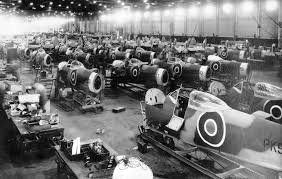
How Britain Paid for WWII
By David Gray: The story of how the British Government physically paid for all of the military hardware it ordered from British companies in WWII, when quite often they didn’t have the money anyway. This is the story of how Britain paid for its weapons. Document.
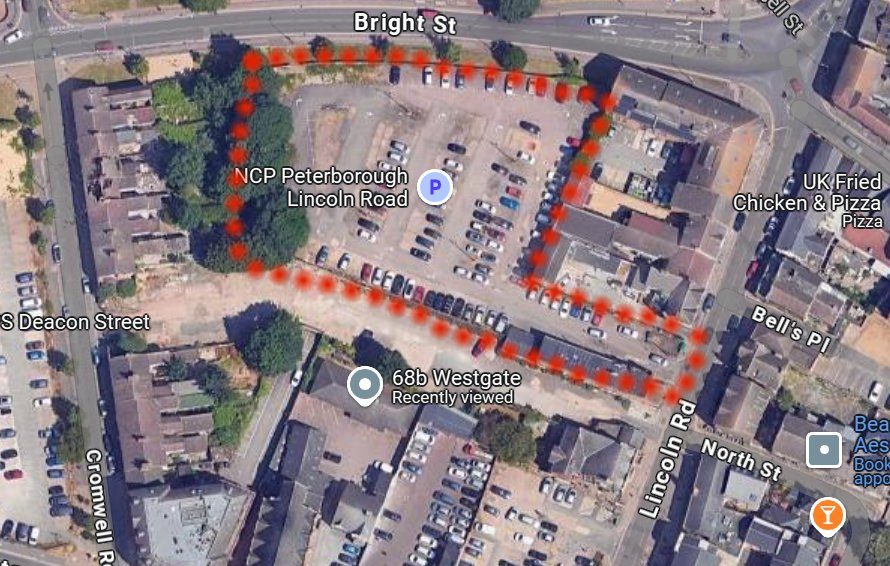
Horses for the War WWI
By David Gray: During WWI, Sexton, Grimwade and Beck's horse repository in Peterborough was used as a collection point for horses commandeered in the city for the army. This is the story of how it happened and what is still left to see of the stables. Document.
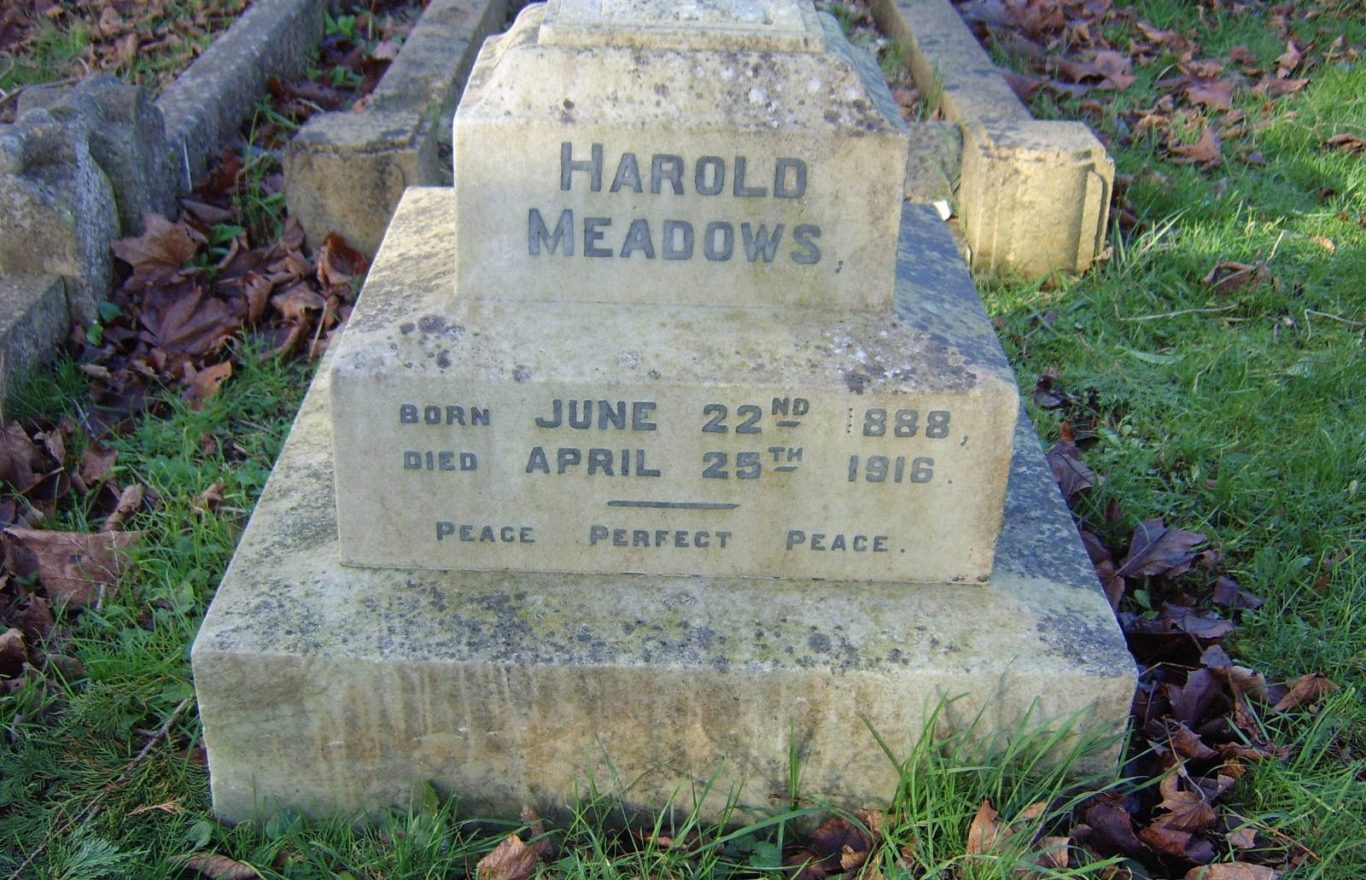
The Story of Gunner Harold Meadows
By David Gray: This is the sad story of a Peterborough man, Gunner Harold Meadows. Harold committed suicide in the city centre in the early hours of the morning in April 1916. No one knows why he killed himself. He is buried in Broadway Cemetery. Document.
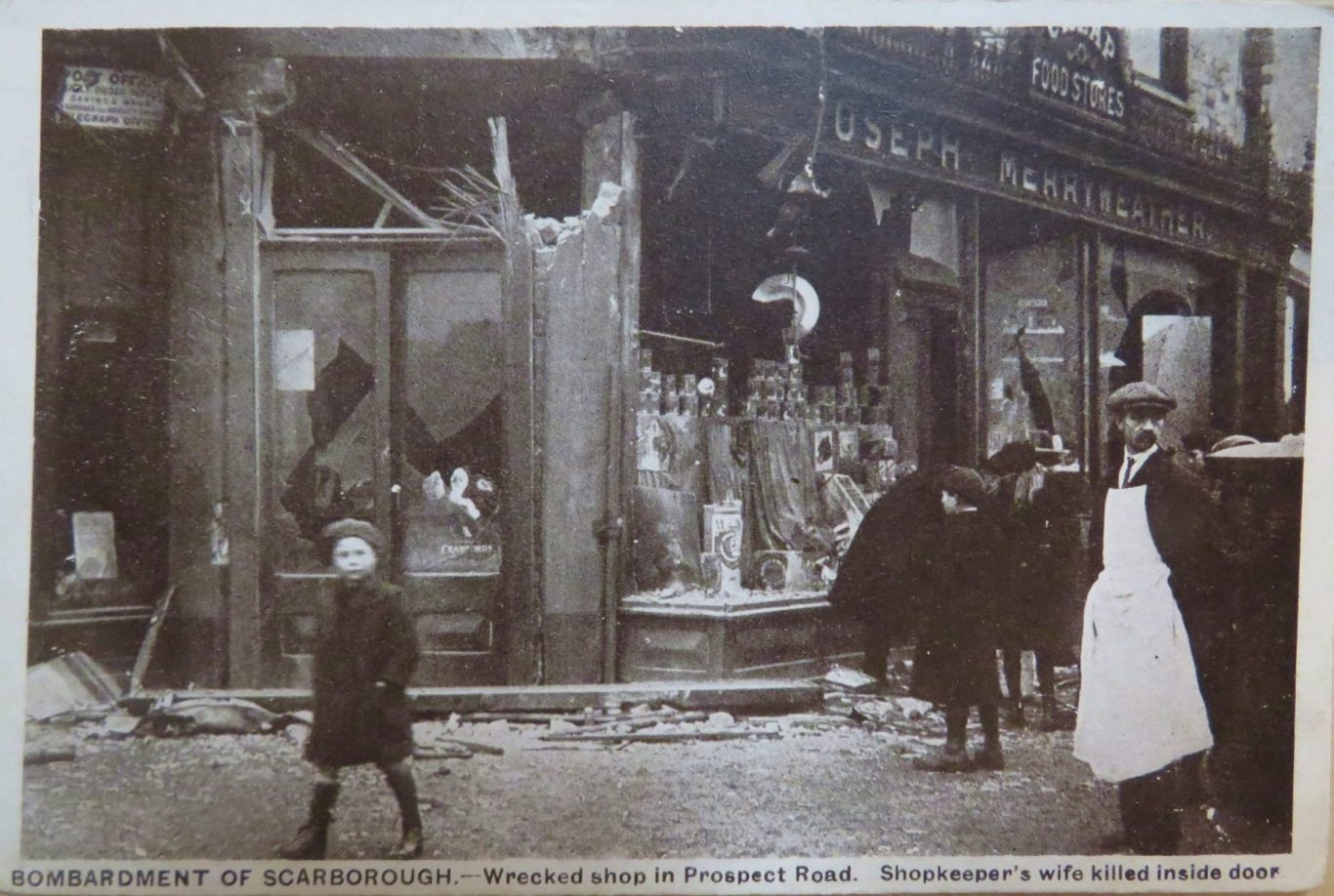
The Scarborough Bombardment WWI
By Simon Wilson: This story is about the German naval bombardment in WWI of a number of towns on the east coast including Scarborough. Simon highlights one casualty, Mrs Emily Merryweather, who lost her life when her shop was hit. Document.
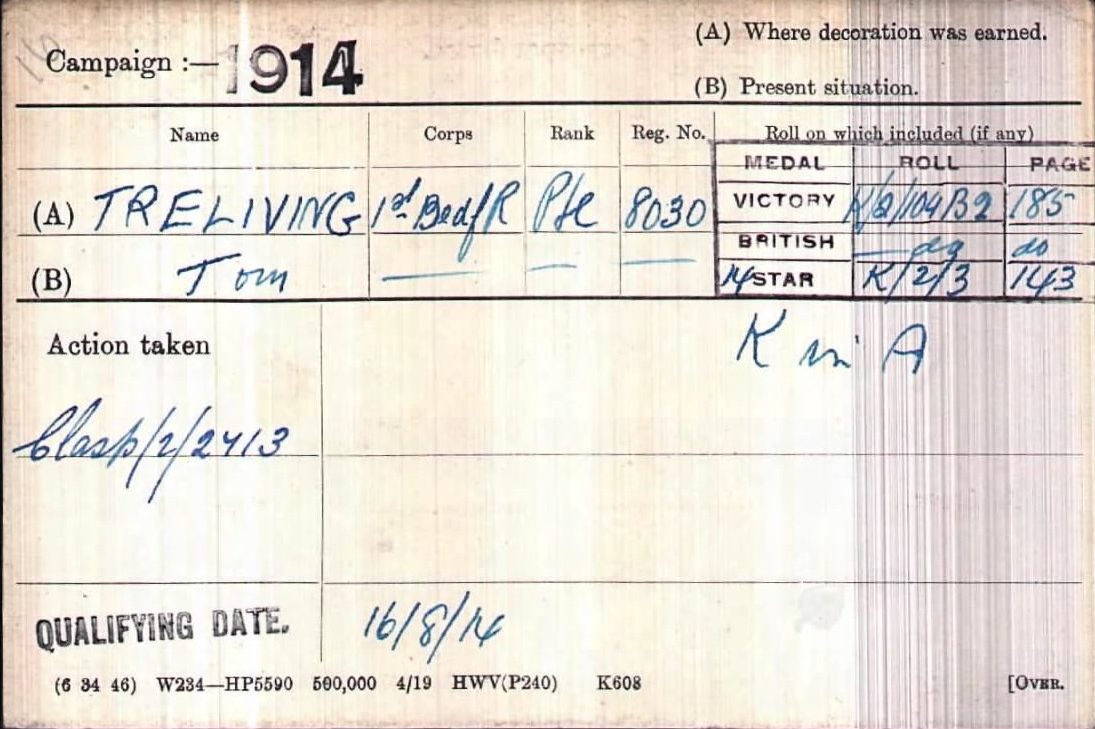
Tom Treliving - Bayonet Fighter
By David Gray: The story another Peterborough WWI soldier. Tom was ambushed by a group of German soldiers in a wood near Ypres, Belgium, on 7th November 1914. However, research led me down another 'rabbit hole' to things I had no idea about. Document
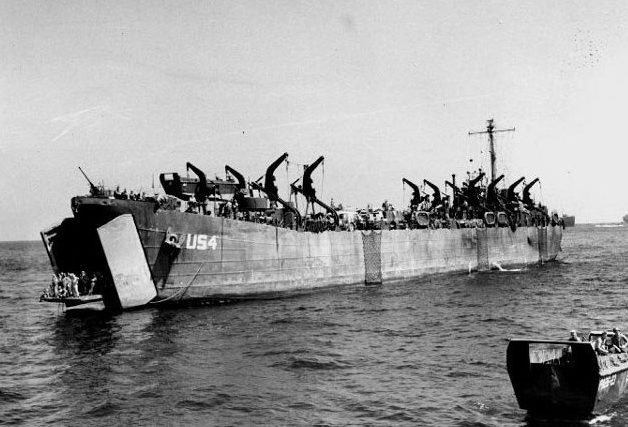
The Tragedy of HMS LST 420 in WWII
By David Gray. This is the story of Landing Ship Tank, LST 420, which sank during a storm off the Belgian coast with a tragic loss of life after being mined in November 1944. Two men from Peterborough, serving in the RAF, lost their lives during the sinking. Document
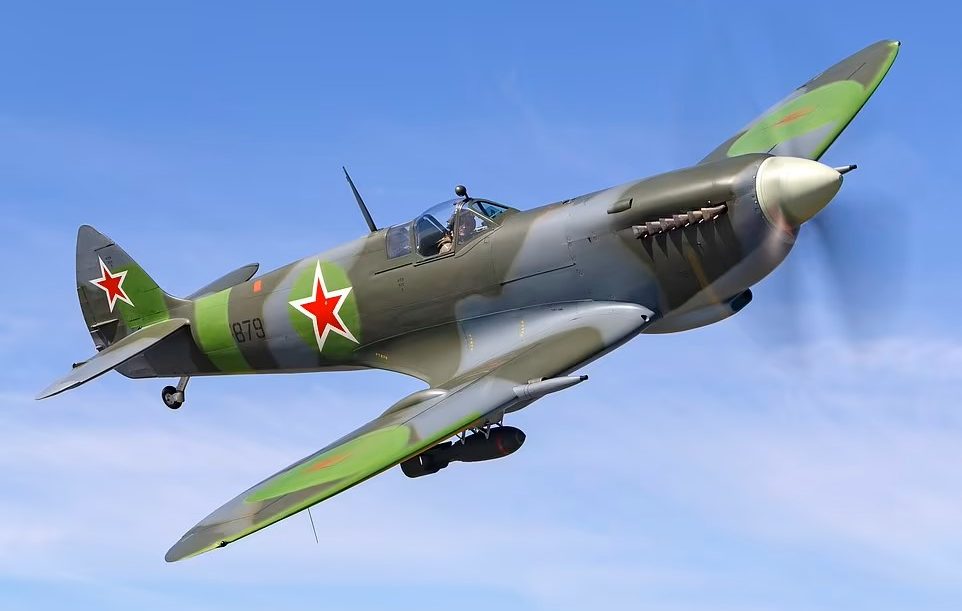
Lend Lease from Britain to Russia
By David Gray: This is a breakdown of all the war materials and weapons Britain provided Russia with in WWII through the Lend Lease agreement. Starting with an announcement by the Prime Minister and followed by a full schedule item by item. Document.
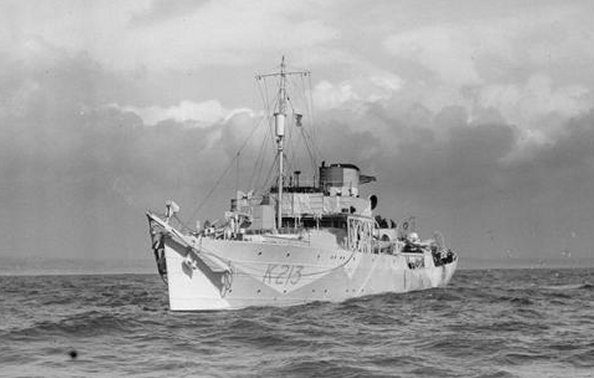
Potters Bar and HMS Poppy in WWII
By David Gray: This is the story of the Warship Week campaign in 1942, in which Potters Bar set a target of £120,000 to enable the government to buy the corvette, HMS Poppy. A wooden plaque was presented to the ship and this is now in my collection. Document.
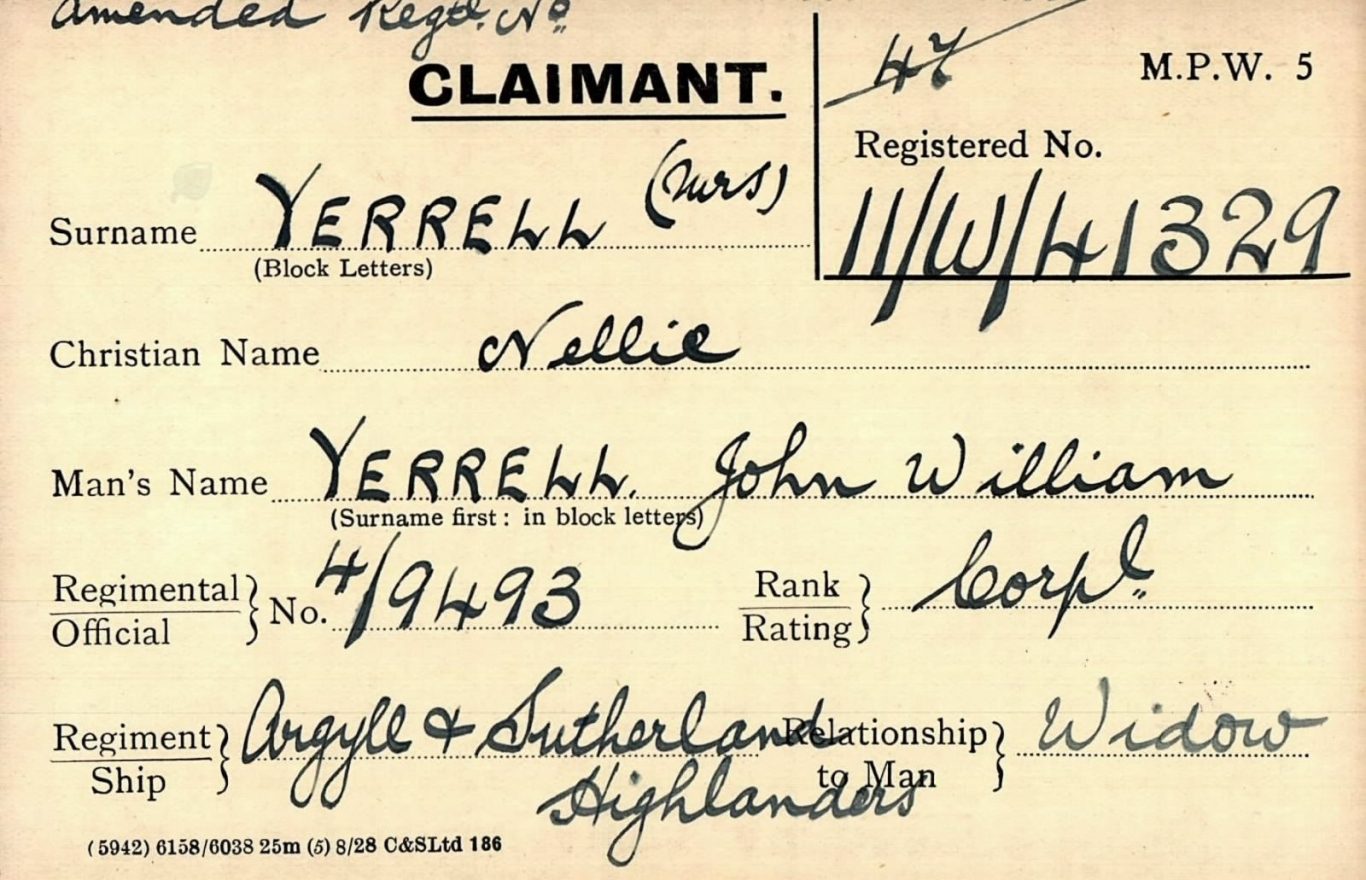
Army Numbers in WWI
By David Gray: This article is the result of some research into my great uncles who were killed in WWI. I discovered that there were other soldiers with the same army number and this led me to investigate the numbering system, if that's what we could call it! Document.
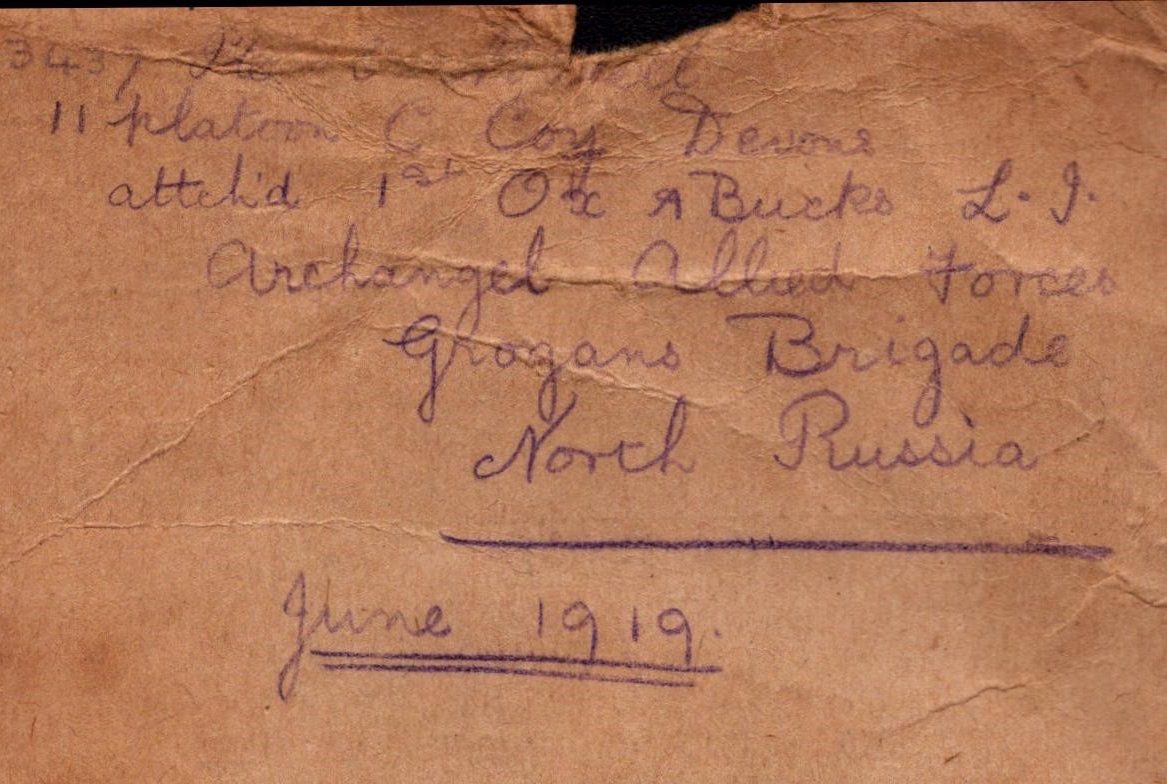
Allied Intervention in North Russia 1919
By David Gray and Simon Wilson: This story concerns the Allied 'invasion' of North Russia in 1919 and the occupation of the port of Archangel. It is a complicated story, partly told here with reference to a government book published in 1920. Document.
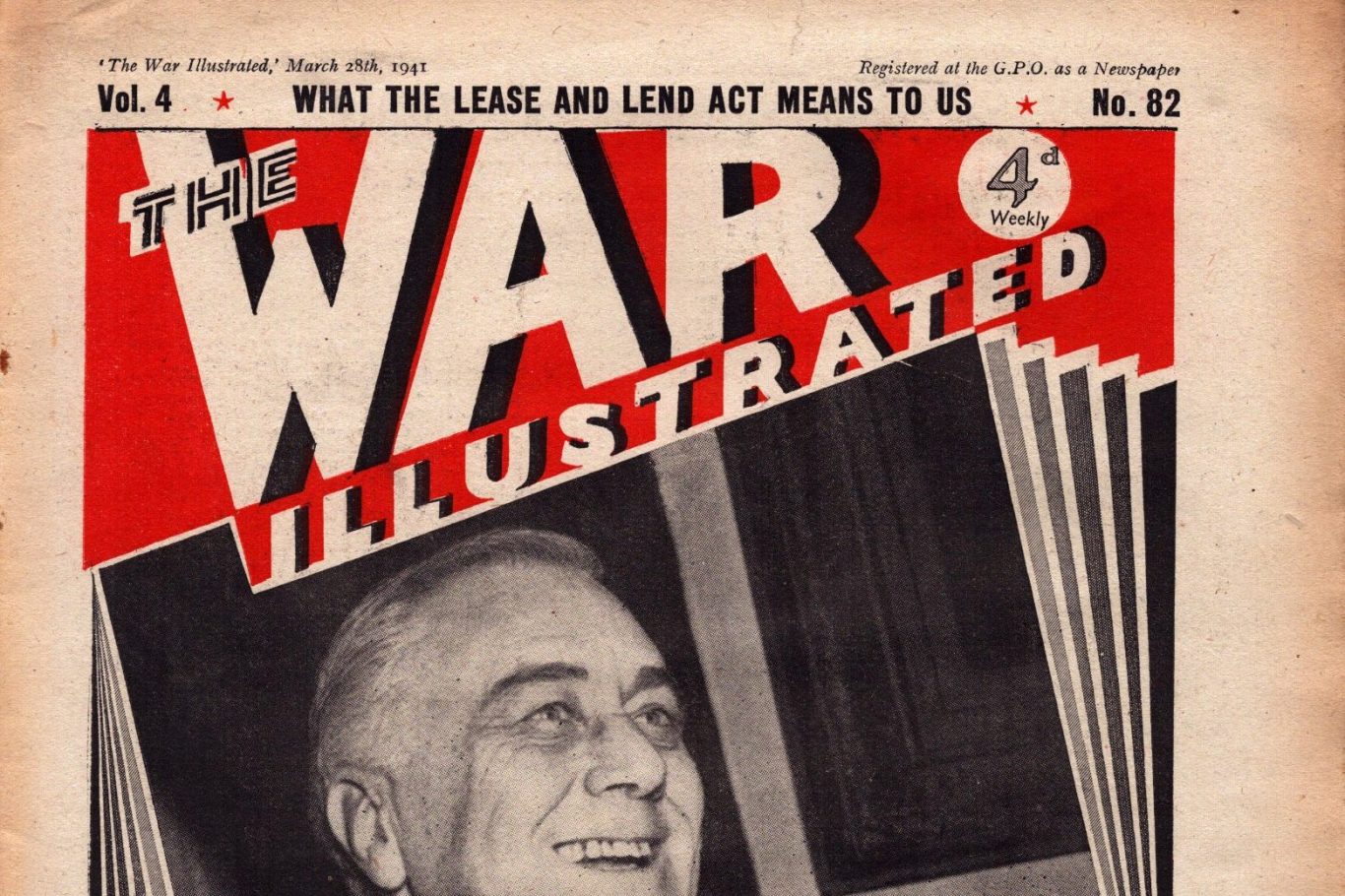
The Paper Shortage in WWII
By David Gray: A story regarding the paper shortage in WWII that encapsulates the whole problem extremely well and highlights the issue of supply and demand which I thought I understood, but puts a different slant on the story. With an additional story about 'Mercury'! Document
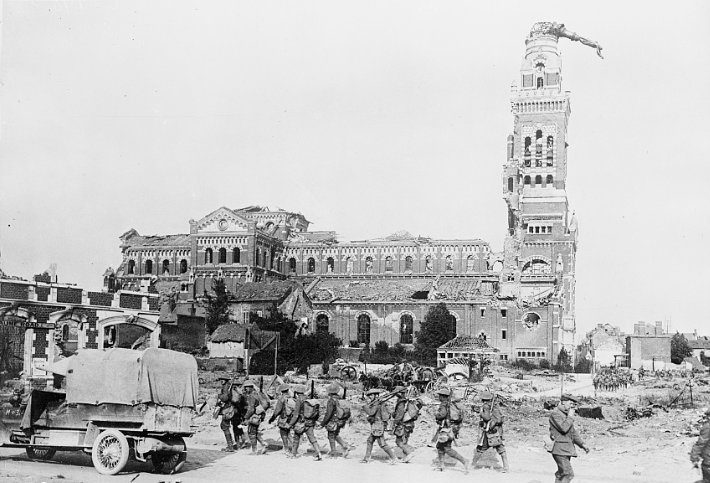
Lost and Found - A Painting Returned
By David Gray: In 1992, two Peterborough (and PMHG) men, Roger Negus and David Gray, completed a journey which a British soldier had begun in 1916 and will forever link the Cambridgeshire City of Peterborough and the French town of Albert on the Somme, France. Document.
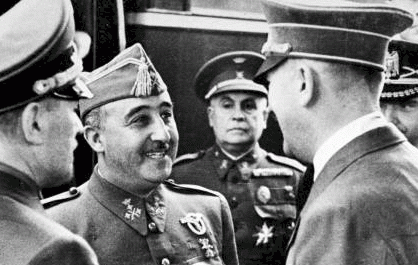
Spain Plays Both Sides in WWII
By David Gray: This article explains how Spain carried out its shady deals with both the Axis and Allied sides in WWII. Although neutral, Spain was by no means a silent partner and played both sides for profit. Each country trying to outdo the other. Document.
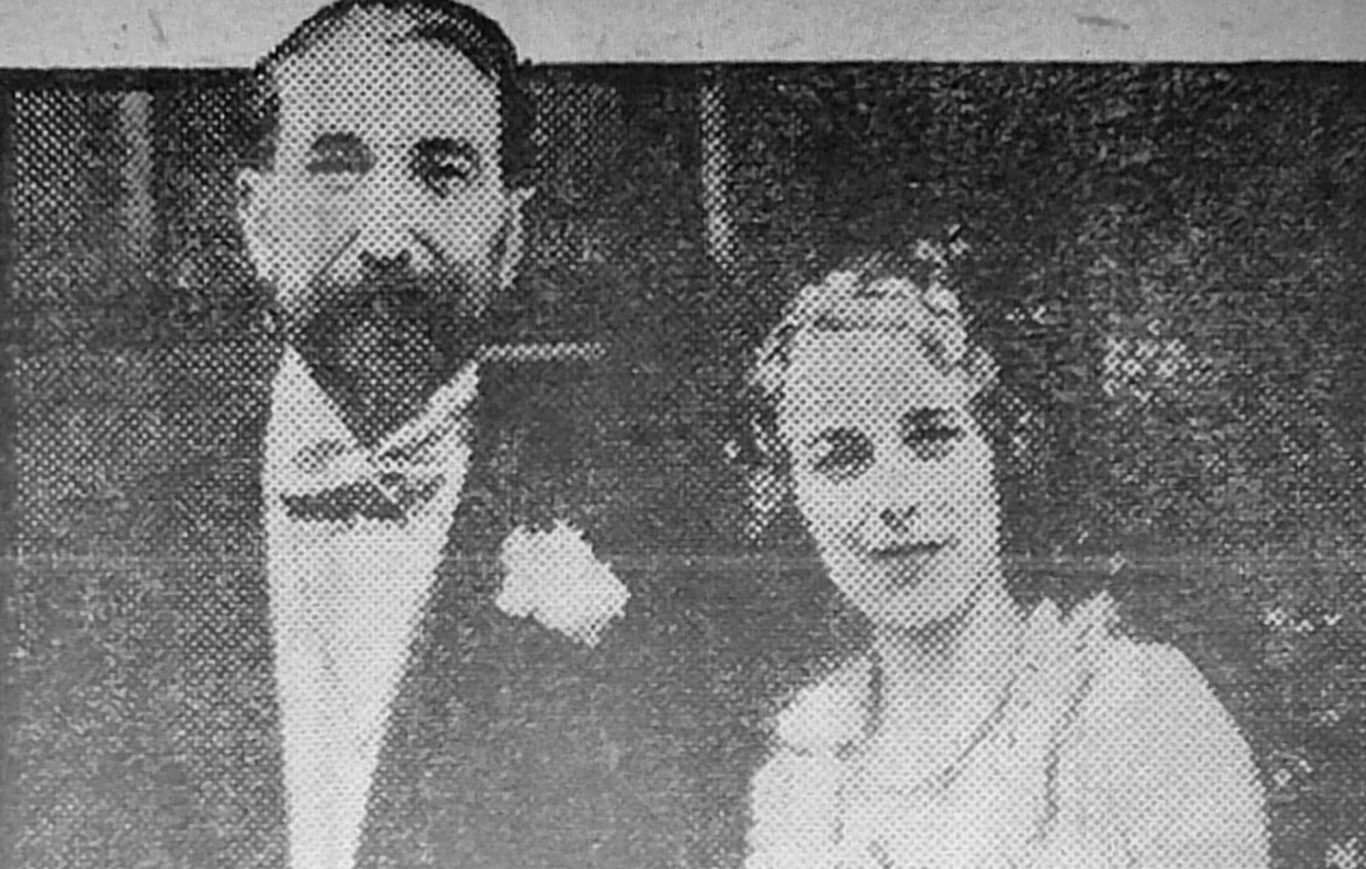
Suicide in Wartime - Hidden Stories
By Simon Wilson: History isn't just about big subjects like the movement of armies and the fall of Empires, it's also about the individual stories, and it is indisputable, when reading old newspapers, that suicide is part of the story for many people. Document.
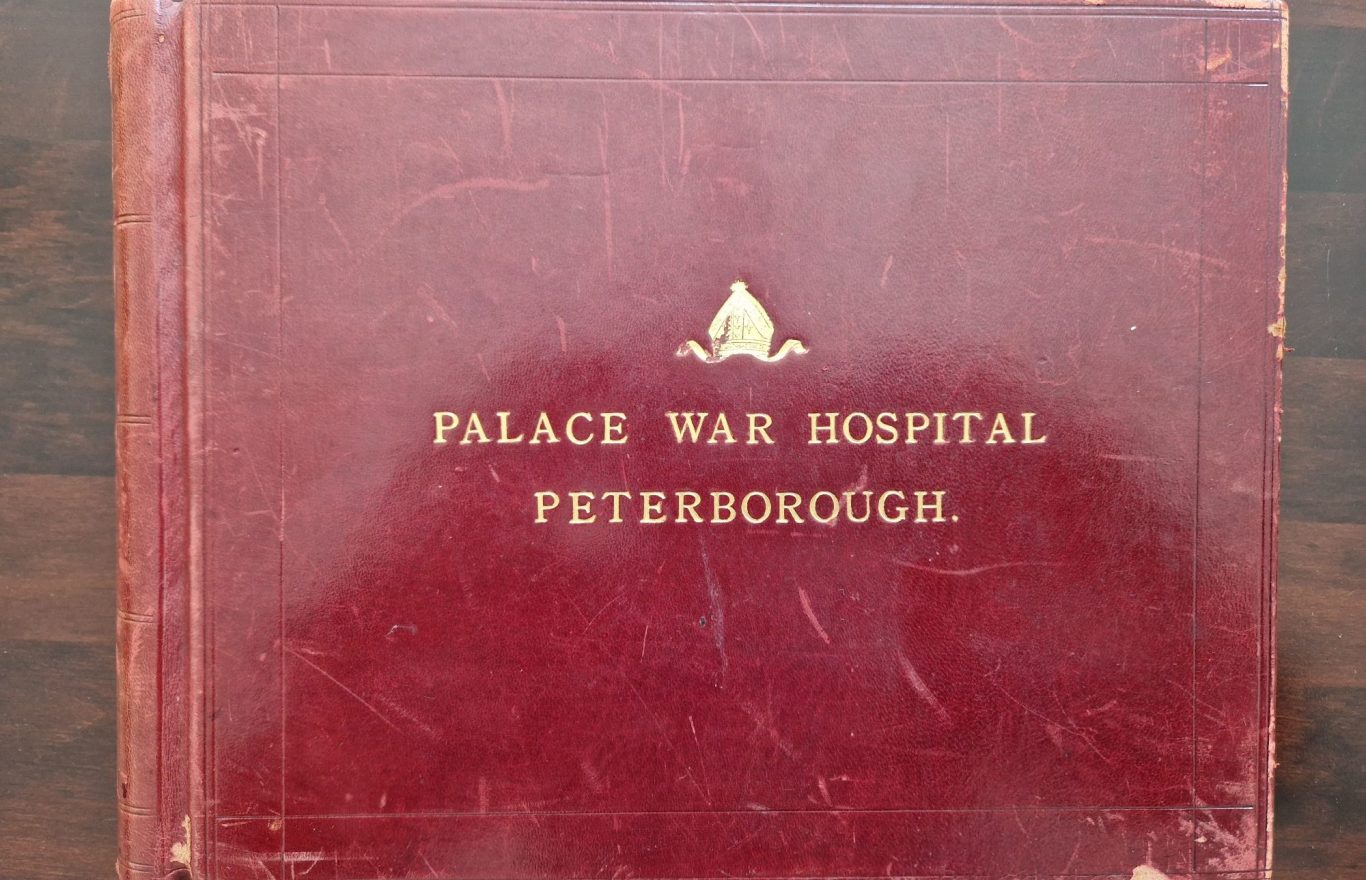
Peterborough Palace War Hospital in WWI
By David Gray: The story of the Hospital set up at Peterborough Cathedral Bishop's Palace from October 1st 1918 to March 15th 1919. Link to Hospital Story, told with the help of the rediscovered Record Book. Link to Spreadsheet showing what is written in the book in simplified detail.